

Editor's pick
Teaching Tools and Learning Resources for Primary Schools
Teaching tools and learning resources help pupils develop knowledge, skills and understanding across the curriculum. From calculators, Numicon and mini whiteboards to globes, maps, reading resources and oracy tools, these resources support effective teaching and curriculum delivery. This hub brings together curriculum-linked guidance, practical buying advice and resource recommendations to help schools choose learning tools that support pupil progress, classroom engagement and educational outcomes.
Teaching Tools and Learning Resources Categories
What teaching tools and learning resources does a primary school need?
Effective classrooms rely on a wide range of teaching tools that help pupils understand concepts, practise skills and engage with learning. From mathematical manipulatives and geography resources to reading materials and classroom assessment tools, these resources support curriculum delivery across Key Stage 1 and Key Stage 2.
The most effective learning resources are those that directly support curriculum objectives while helping teachers assess understanding, encourage participation and adapt teaching to meet pupils' needs.
Featured articles
Ready to order? Browse the full teaching tools range with free next-day delivery on orders over £40.
Shop teaching tools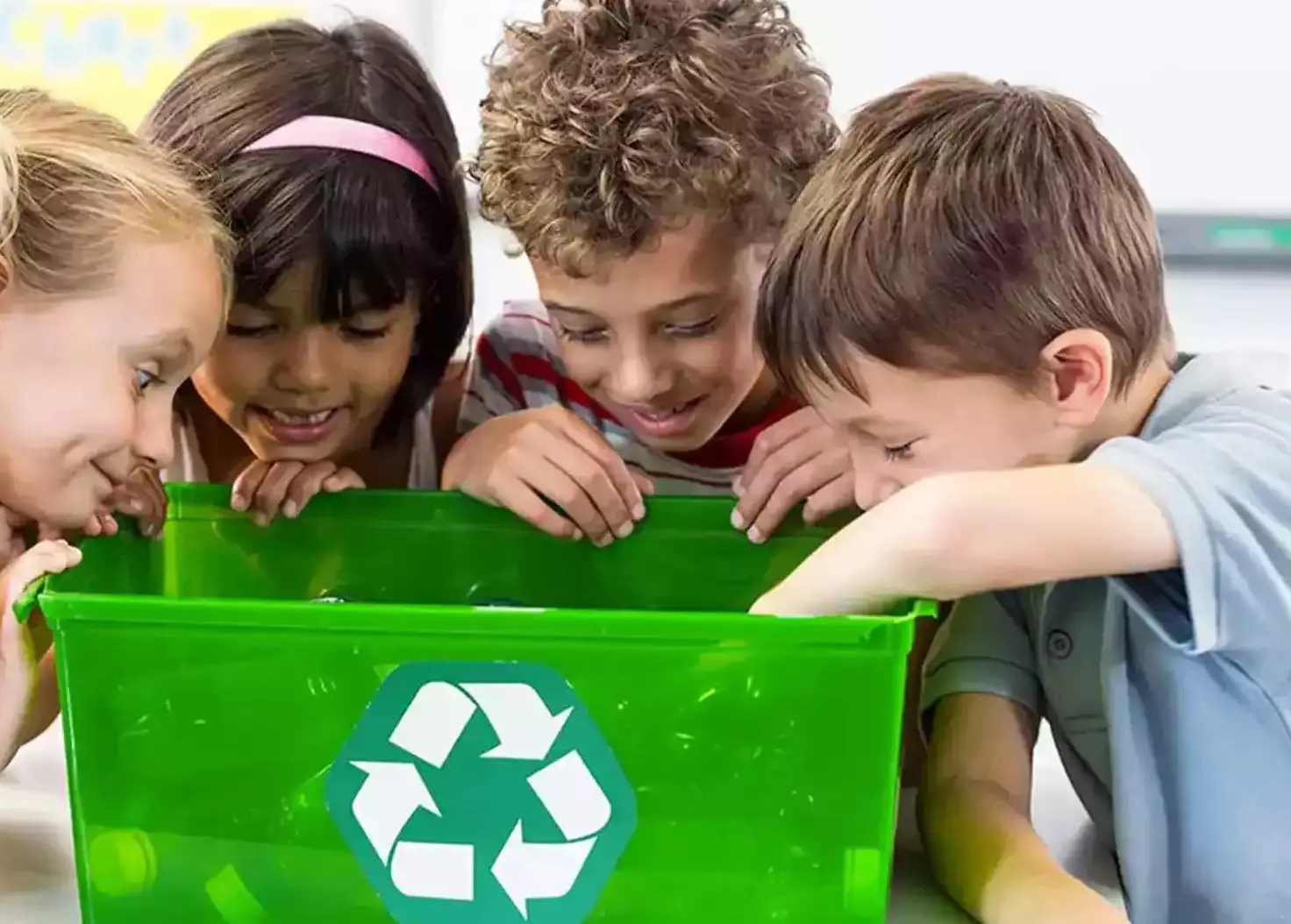
Reduce, reuse and recycle: 8 practical ways schools can recycle more
Schools can reduce waste by making recycling simple, auditing what they throw away, reusing materials before replacing them, separating food waste correctly and involving pupils and staff in everyday habits. A practical whole-school approach can cut unnecessary waste, support sustainability learning and help recycling become part of normal school routines rather than a one-off initiative.
Gary McCormick
Bridging the Digital Divide: AI and Inequality in Schools
Artificial intelligence has the potential to reduce workload, improve accessibility and support teaching and learning, but a new digital divide is emerging between schools that have the skills and strategy to use AI effectively and those that do not. This article explores how school leaders can adopt AI responsibly, support staff confidence and ensure technology strengthens educational outcomes without creating new inequalities.
Stephanie-Kate Fallon
The New National Curriculum 2027: What Primary Schools Need to Start Planning Now
Although the revised national curriculum is not expected to be published until 2027, primary schools can begin preparing now by reviewing curriculum coherence, strengthening oracy provision, supporting inclusion and ensuring strong foundations in literacy and numeracy. Current recommendations suggest evolution rather than wholesale change, giving schools time to prepare thoughtfully rather than reactively.
David Reynolds
Falling pupil numbers: financial pressure into advantage
Falling pupil numbers are creating financial pressures for many schools, but they can also present opportunities to strengthen provision and improve educational outcomes. This article explores how school leaders can respond strategically through smarter resource planning, efficient procurement, clear communication and a renewed focus on delivering high-quality learning experiences despite changing demographics.
Chris Leonard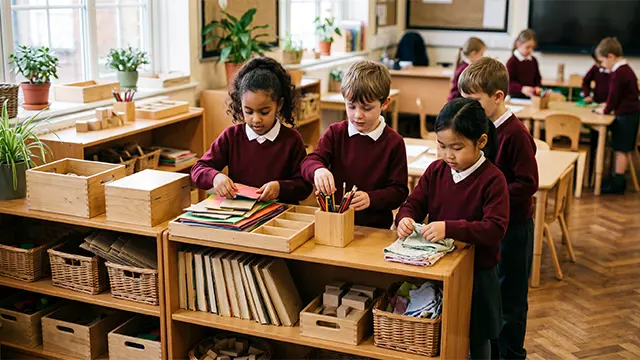
Recycling in your school Practical Ways to Create a More Sustainable Future
Recycling is one of the simplest ways schools can reduce waste, lower their environmental impact and build sustainability into everyday school life. This guide explores practical ways to improve recycling, reduce single-use plastics, make procurement more sustainable and engage pupils and staff in creating a greener, more environmentally responsible school community.
Chris Leonard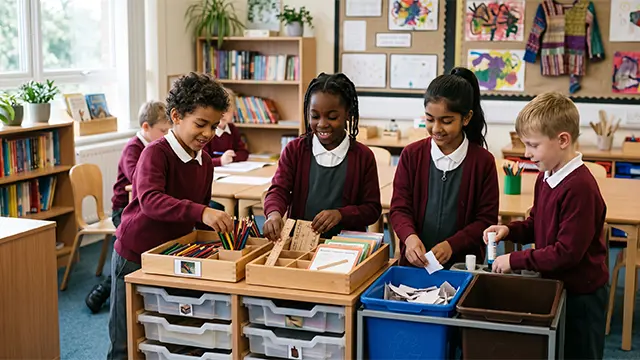
Eco classroom ideas: creating a sustainable school environment
Creating a sustainable classroom does not require expensive equipment or major environmental projects. By reducing waste, improving resource management, making thoughtful purchasing decisions and embedding sustainability into everyday routines, schools can create eco-friendly learning environments that support both environmental goals and budget efficiency. This guide shares practical ideas to help primary schools build a culture of sustainability that lasts.
Chris Leonard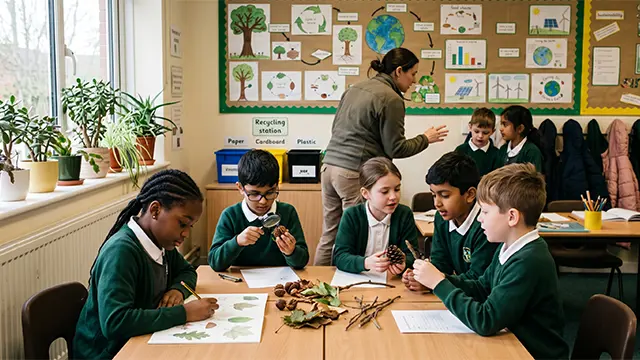
Sustainability in primary schools: the DfE strategy explained
Sustainability in primary schools is now part of a wider national education priority. The Department for Education's Sustainability and Climate Change Strategy, first published in April 2022, sets out how schools and education settings in England can prepare children for a changing world, reduce environmental impact, become more resilient to climate change and improve the natural environment around them.
Chris Leonard
Teacher wellbeing in 2026: practical workload resources for school leaders
Teacher wellbeing in 2026 is no longer a “nice to have” staff benefit. Across the schools, trusts and education settings that Findel supports, leaders are increasingly recognising that staff wellbeing, retention and workload are now strategic priorities rather than separate conversations. With Education Support’s Teacher Wellbeing Index 2025 reporting that 76% of education staff experience stress, the focus for school leaders is shifting from wellbeing initiatives alone towards practical changes that make everyday school life more manageable.
Rachel Pangburn
Ways to Tackle Mental Health in School: Building a Whole-School Approach to Wellbeing
Supporting mental health in schools requires more than awareness days or standalone initiatives. The most effective schools take a whole-school approach by embedding wellbeing into relationships, leadership, learning environments and everyday school life. This guide explores practical ways to support pupil and staff wellbeing through positive school cultures, emotional literacy, physical activity, inclusive environments and early intervention strategies.
Natalie McMunn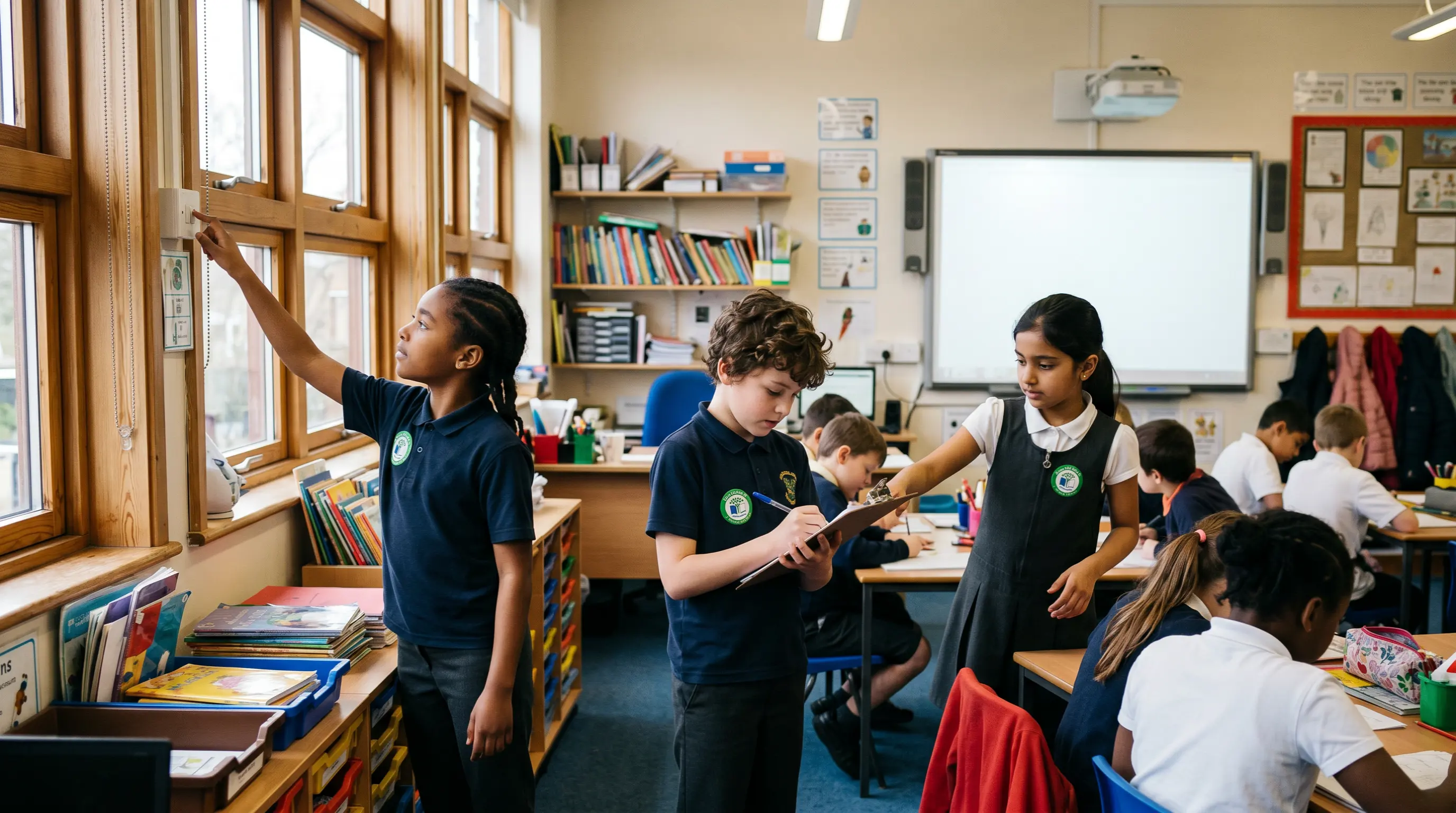
Eco school ideas: how to make your primary school more sustainable
The Eco-Schools seven-step programme is the UK's most widely used sustainability framework for schools, with more than 19,000 registered settings. Primary schools can begin by forming an eco committee, completing an environmental review, creating an action plan and linking projects to learning. Themes include energy, waste, biodiversity, water and transport, with Green Flag accreditation often achievable within one to two academic years.
Natalie McMunn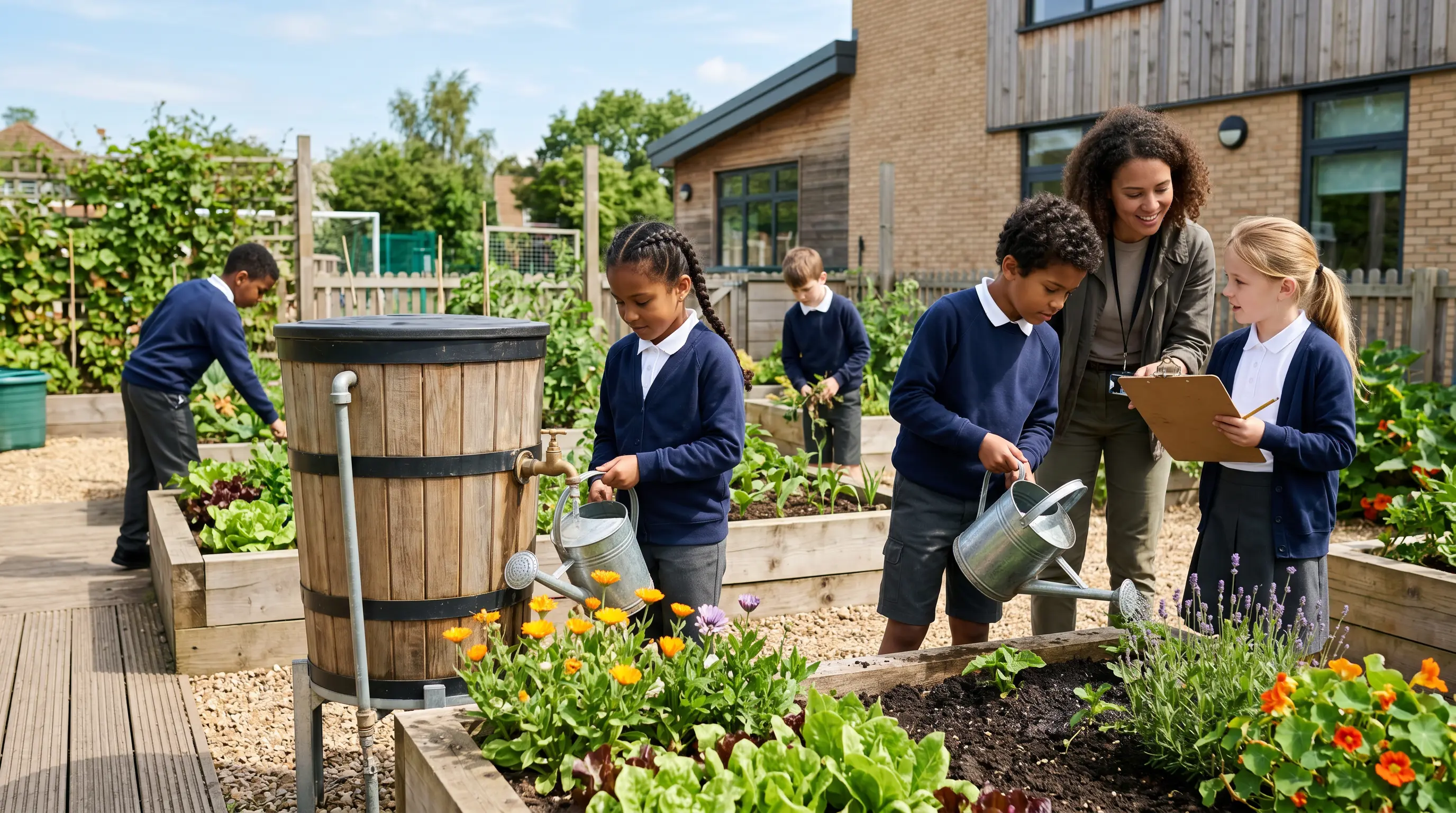
How to save water at school: ideas and resources for primary schools
Saving water at school is one of the simplest ways primary schools can reduce environmental impact while helping pupils develop lifelong sustainability habits. Small changes to daily routines, classroom activities and site management can significantly reduce water use over the course of an academic year, while also supporting the sustainability goals outlined in the Department for Education's Sustainability and Climate Change Strategy.
Chris Leonard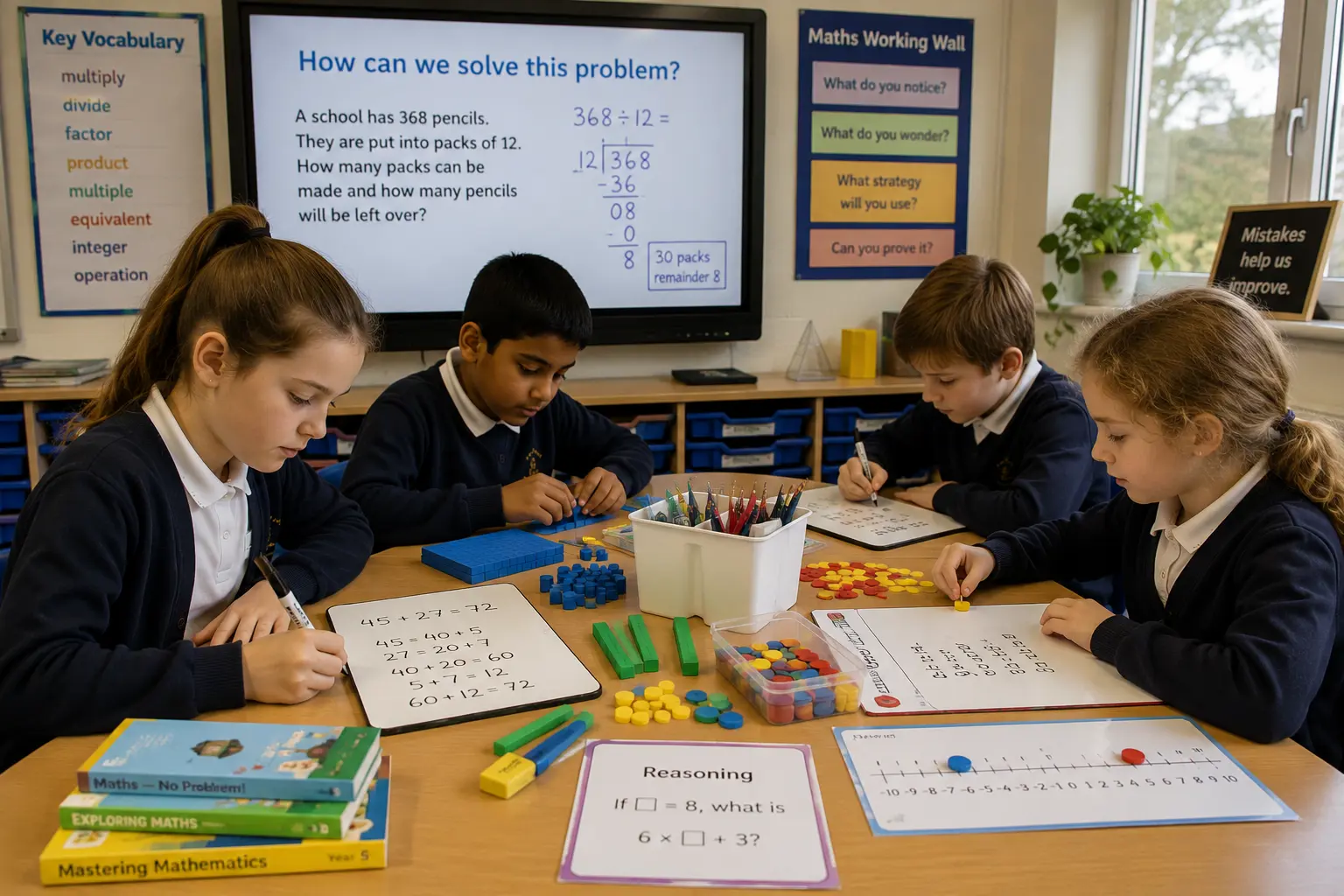
KS2 Maths Resources: What Teachers and Schools Actually Need
Effective KS2 maths teaching depends on more than worksheets and textbooks. The DfE Key Stage 2 Mathematics National Curriculum requires pupils to develop fluency, reasoning and problem-solving skills across number, geometry, measurement and statistics. The most effective resources help pupils visualise mathematical concepts, explain their thinking and apply learning in different contexts. Choosing the right mix of practical, visual and classroom resources can significantly strengthen mathematical understanding and confidence.
Natalie McMunn
Frequently Asked Questions
What teaching tools should every primary classroom have?
Most classrooms benefit from calculators, mini whiteboards, geography resources, maths manipulatives, reading materials and practical classroom tools that support everyday teaching.
Do primary schools need calculators?
Calculators have a role in primary mathematics, but the National Curriculum expects them to be introduced only near the end of Key Stage 2, once pupils are secure in written and mental arithmetic — not as a routine tool throughout Key Stage 2.
What is Numicon used for?
Numicon helps pupils develop number sense, calculation skills and mathematical understanding through visual and tactile learning.
Why do teachers use mini whiteboards?
Mini whiteboards provide immediate assessment opportunities and encourage participation from every pupil.
Are globes still useful in primary schools?
Yes. Globes remain an important resource for teaching locational knowledge and understanding the world.
What is oracy?
Oracy refers to the ability to communicate effectively through spoken language, discussion and presentation.
How can schools promote reading for pleasure?
Schools can encourage reading through engaging reading environments, access to books and positive reading experiences.
Which classroom tools do teachers use most often?
Timers, dice, counters, mini whiteboards and practical maths resources are among the most frequently used classroom tools.
Stay connected with GLS
Follow GLS for practical classroom ideas, product inspiration, school procurement guidance and the latest education news.