

Editor's pick
Arts, Crafts and Creativity for Primary Schools
Art and craft resources help pupils develop creativity, confidence and practical skills while supporting the requirements of the National Curriculum for Art and Design. From paint, brushes and drawing materials to clay, paper, card and seasonal craft resources, these materials enable children to experiment, create and express ideas through a wide range of artistic experiences. This hub brings together practical buying advice, curriculum-linked guidance and school-specific recommendations to help schools choose the right creative resources for every age group.
Arts, Crafts and Creativity Categories
What art and craft supplies does a primary school need?
Most primary schools require a core range of creative resources that support drawing, painting, printing, modelling, textiles and mixed-media activities. The National Curriculum for Art and Design expects pupils to develop proficiency in a variety of techniques while learning about artists, craft makers and designers. Well-planned art provision therefore combines versatile materials, age-appropriate tools and opportunities for experimentation across both Key Stage 1 and Key Stage 2.
Featured articles
Ready to order? Browse the full art range with free next-day delivery on orders over £40.
Shop art range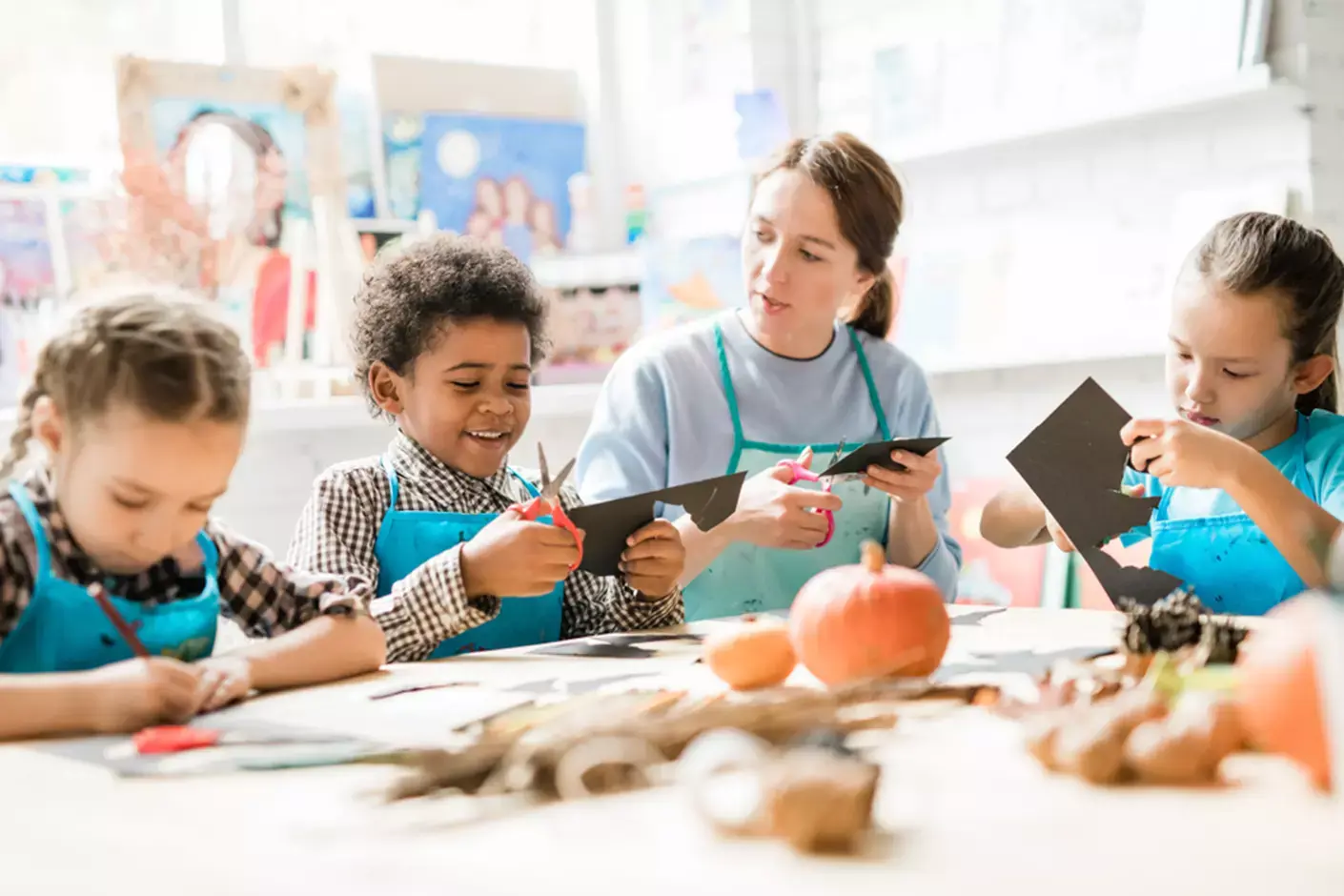
How to Plan Halloween Activities for Your School
Planning Halloween in school works best when it is treated as a whole-school activity rather than a collection of separate classroom events. A clear plan helps schools manage budgets, staffing, safeguarding, allergies, inclusion and practical arrangements while still giving pupils opportunities to be creative, learn together and enjoy age-appropriate seasonal activities around the October half-term period.
Natalie McMunn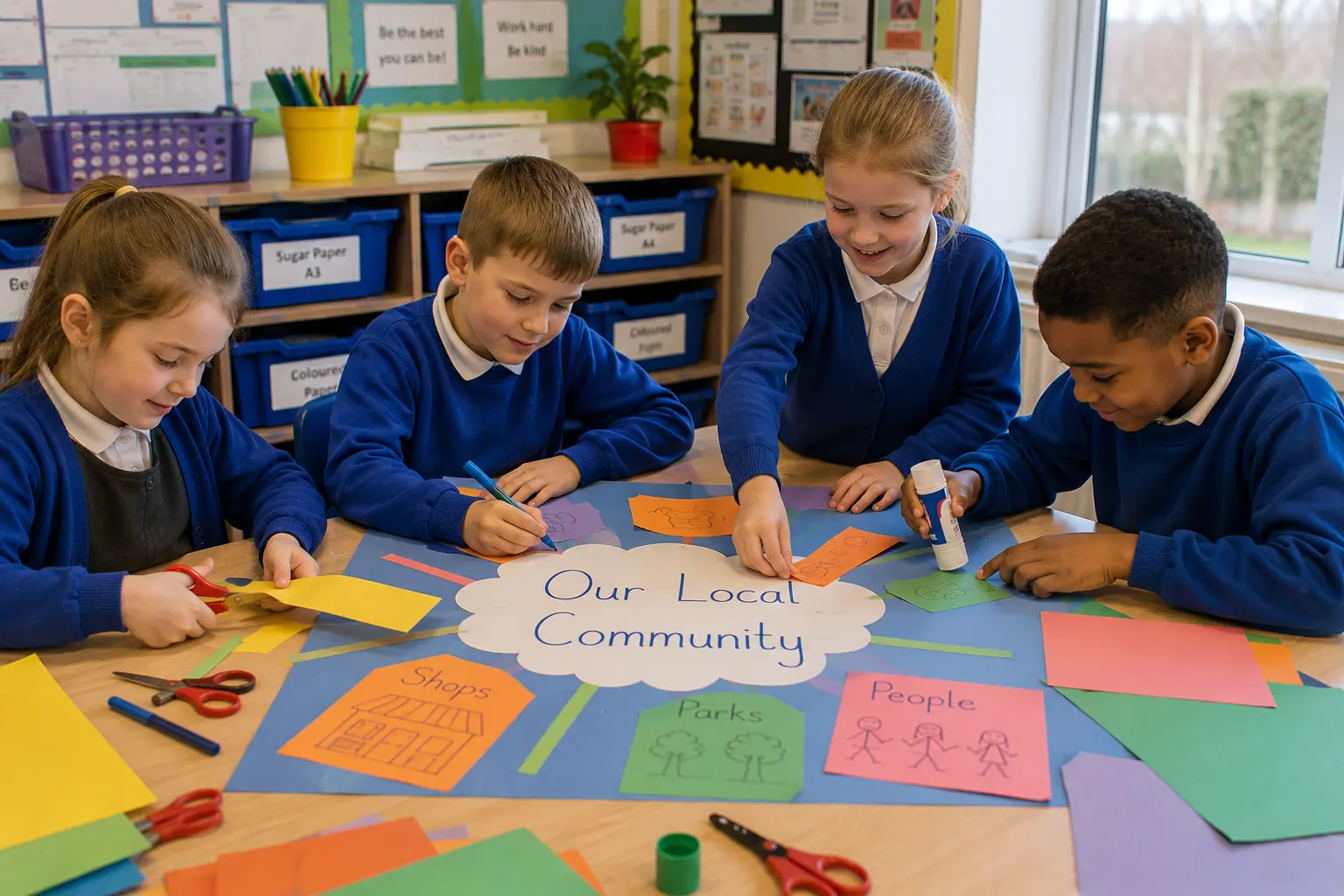
Sugar Paper for Schools: Colours, Sizes and Quantities
Sugar paper remains one of the most widely used classroom resources in UK schools because it supports everything from art and displays to collaborative learning and curriculum projects. Available in a wide range of colours and sizes, it is a versatile and cost-effective resource for primary schools. Choosing the right formats and ordering appropriate quantities helps schools reduce waste, improve value and ensure classrooms remain well stocked throughout the year.
Carla Bonner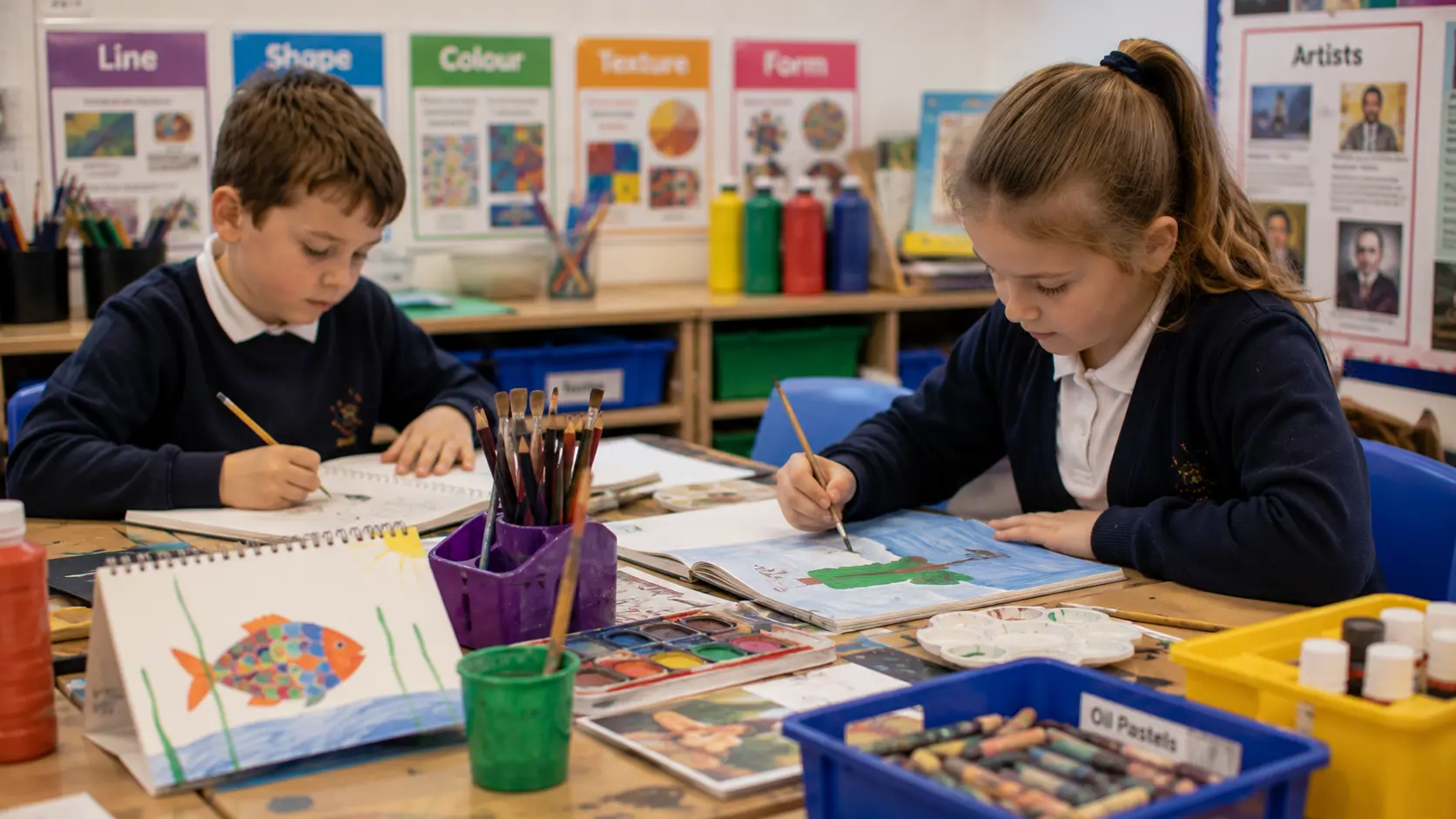
Art and Design in Primary Schools: KS1 and KS2 Curriculum Resources Guide
Art and Design is a statutory subject within the primary curriculum, helping pupils develop creativity, technical skills and cultural understanding. The DfE Art and Design National Curriculum requires children to produce creative work, become proficient in a range of artistic techniques and learn about great artists, craft makers and designers. Choosing the right resources helps schools deliver these requirements effectively while supporting progression from Key Stage 1 through to Key Stage 2.
Jack Clarke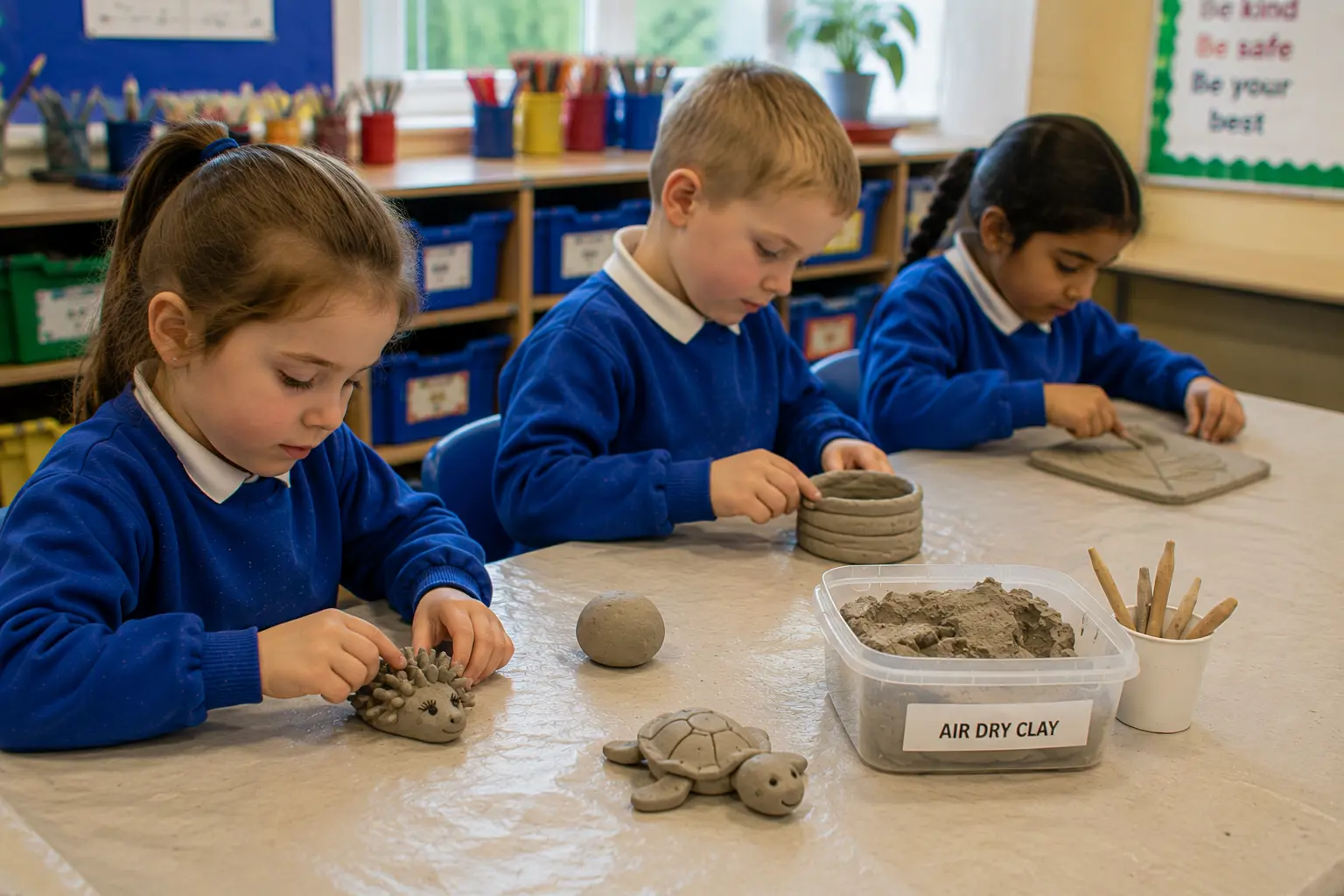
Air Dry Clay for Schools: Everything Teachers Need to Know
Air dry clay is one of the most versatile modelling materials used in primary schools because it allows pupils to create permanent sculptures, models and artwork without requiring a kiln. Suitable for EYFS through to Key Stage 2, it supports creativity, fine motor development and hands-on learning across multiple subjects. When used correctly and stored properly, air dry clay offers an accessible, curriculum-friendly alternative to traditional pottery clay.
Jack Clarke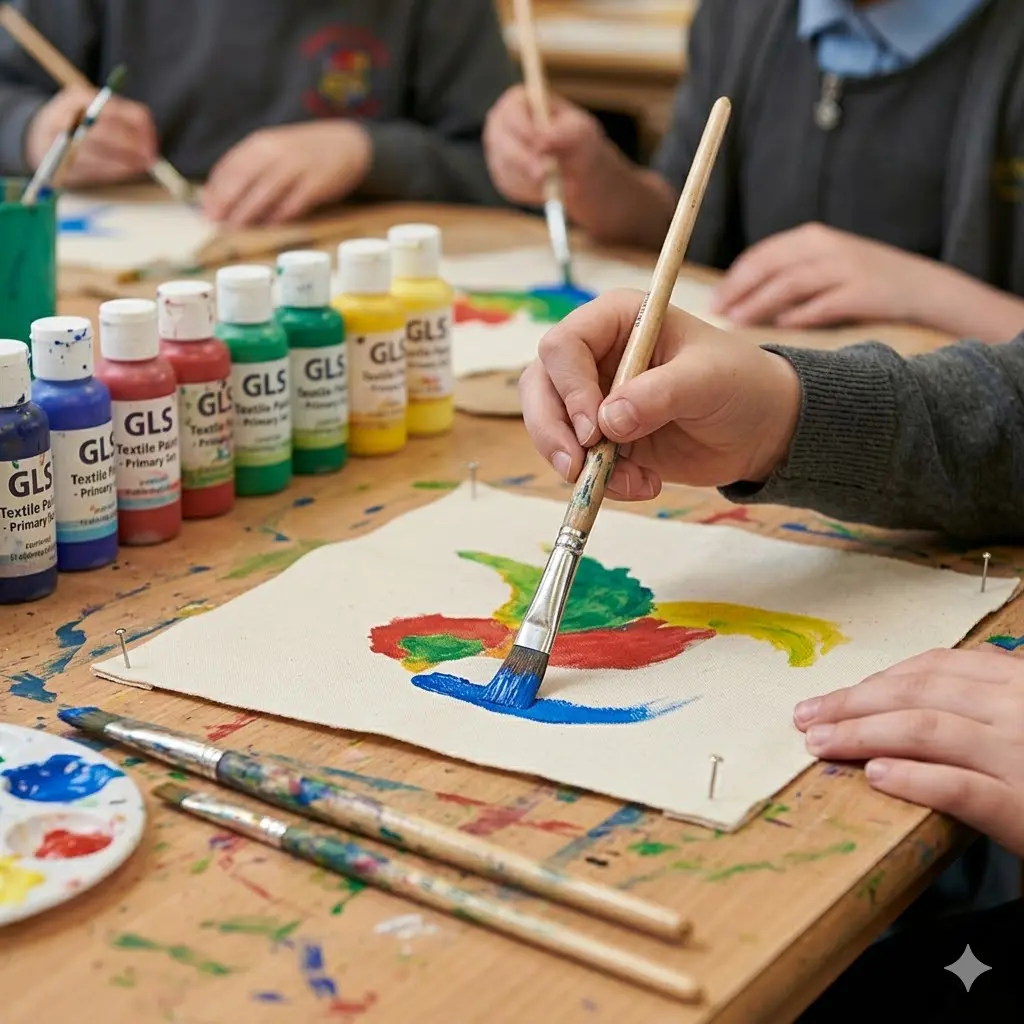
Fabric paint for schools: safe choices, quantities and application guide
Fabric paint gives pupils the opportunity to create artwork that lasts beyond the lesson. From collaborative banners and cultural celebrations to artist-inspired textile projects, fabric painting helps children explore creativity in new ways while developing confidence, fine motor skills and design skills. Choosing the right fabric paint helps schools deliver these experiences safely, successfully and with minimal disruption.
Natalie McMunn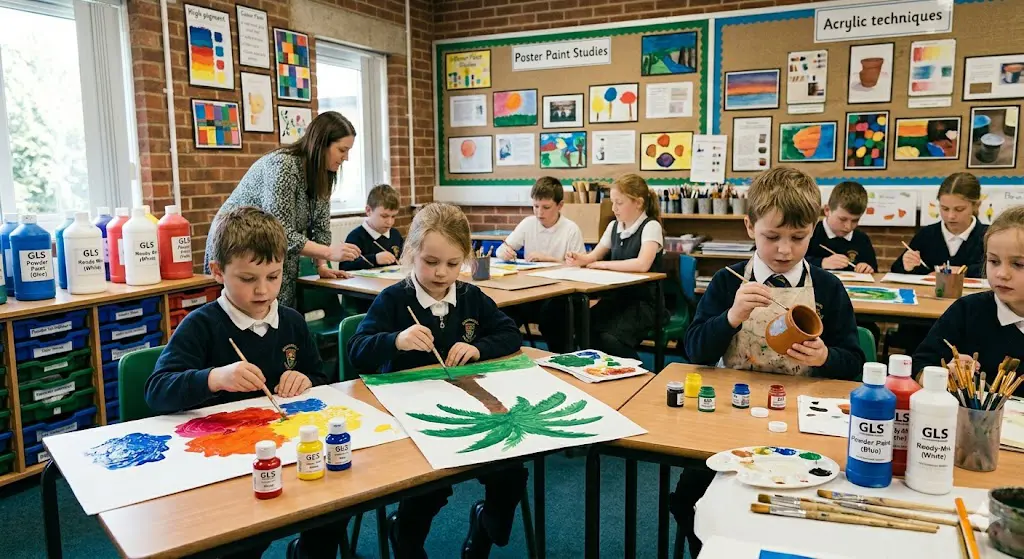
School paint guide: powder, ready-mix, acrylic and poster paint compared
Paint supports creativity, artistic development and hands-on learning throughout primary school. Selecting the right paint type can help schools improve value, reduce waste and enhance art lessons.
Jack Clarke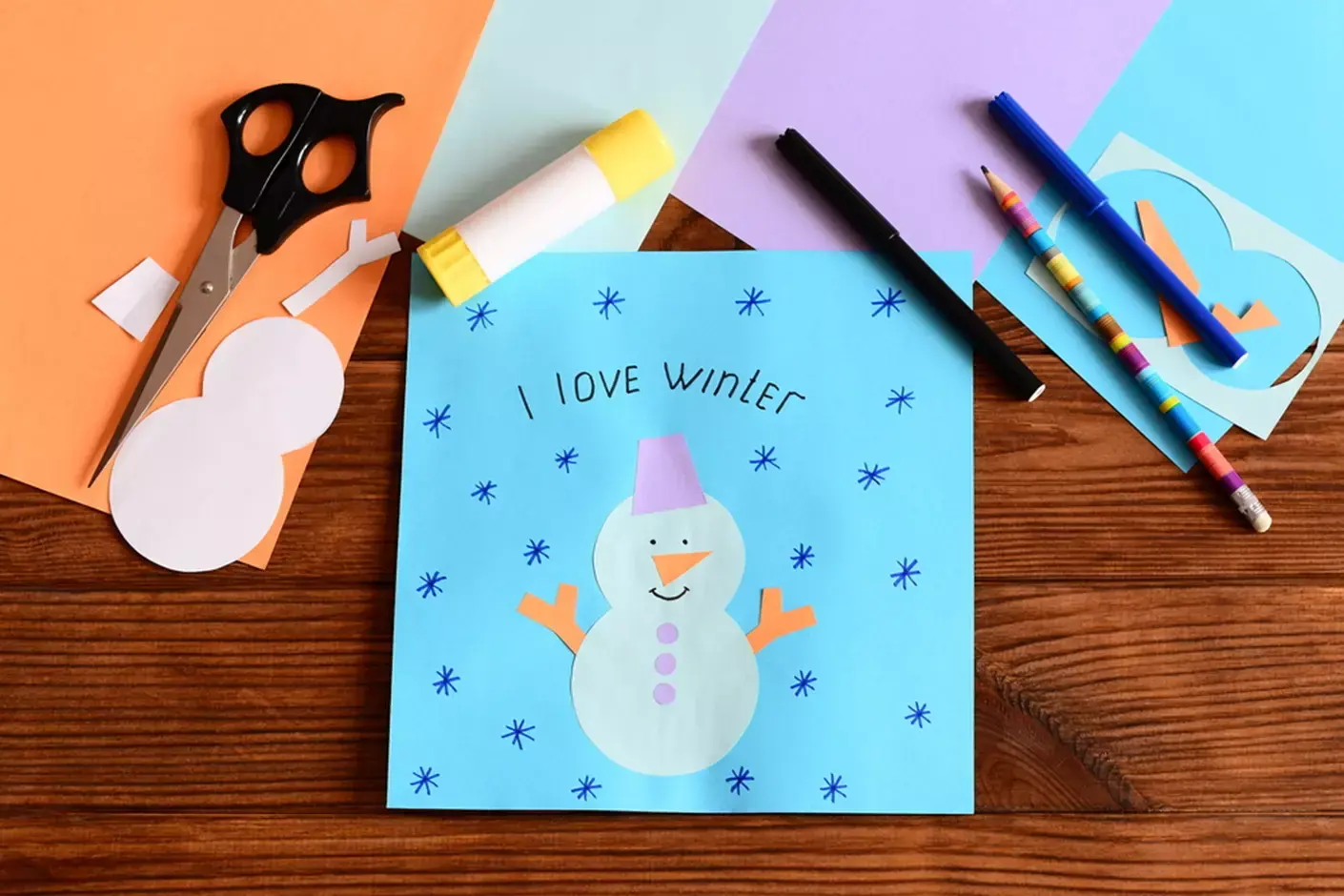
School winter crafting supplies
Ensure you have all the crafting supplies that teachers will need for their art and design lessons during the winter months.
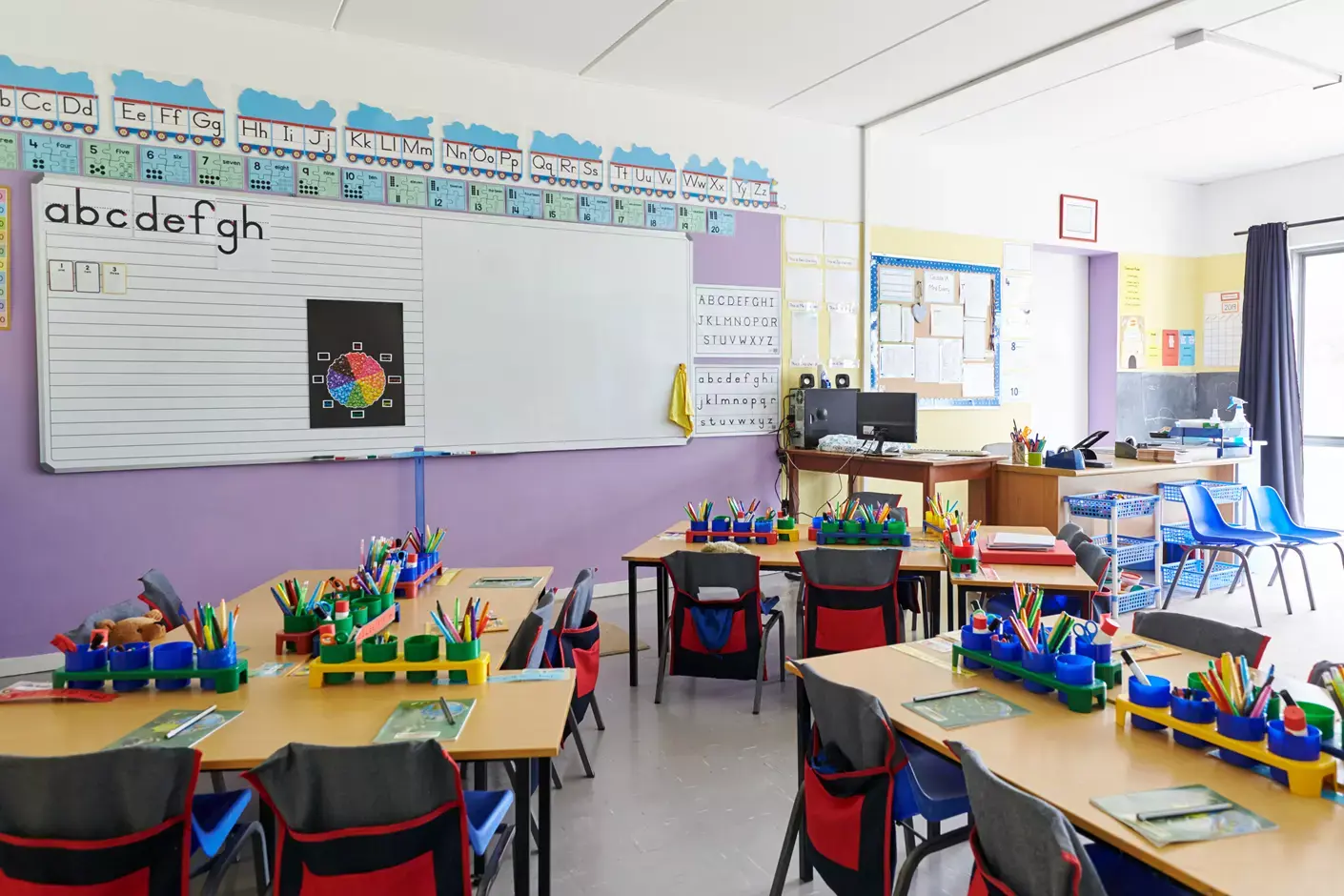
Refresh your classroom displays
Creative and engaging ways to transform your classrooms into a learning environment that offers curriculum support and promotes student learning.
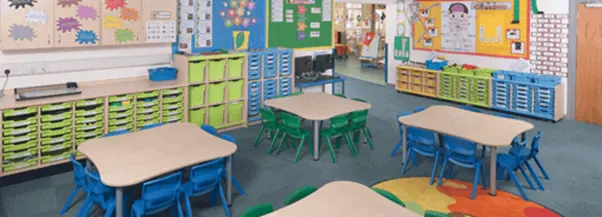
Classroom display refresh ideas
Refresh your classroom displays with these fab ideas.
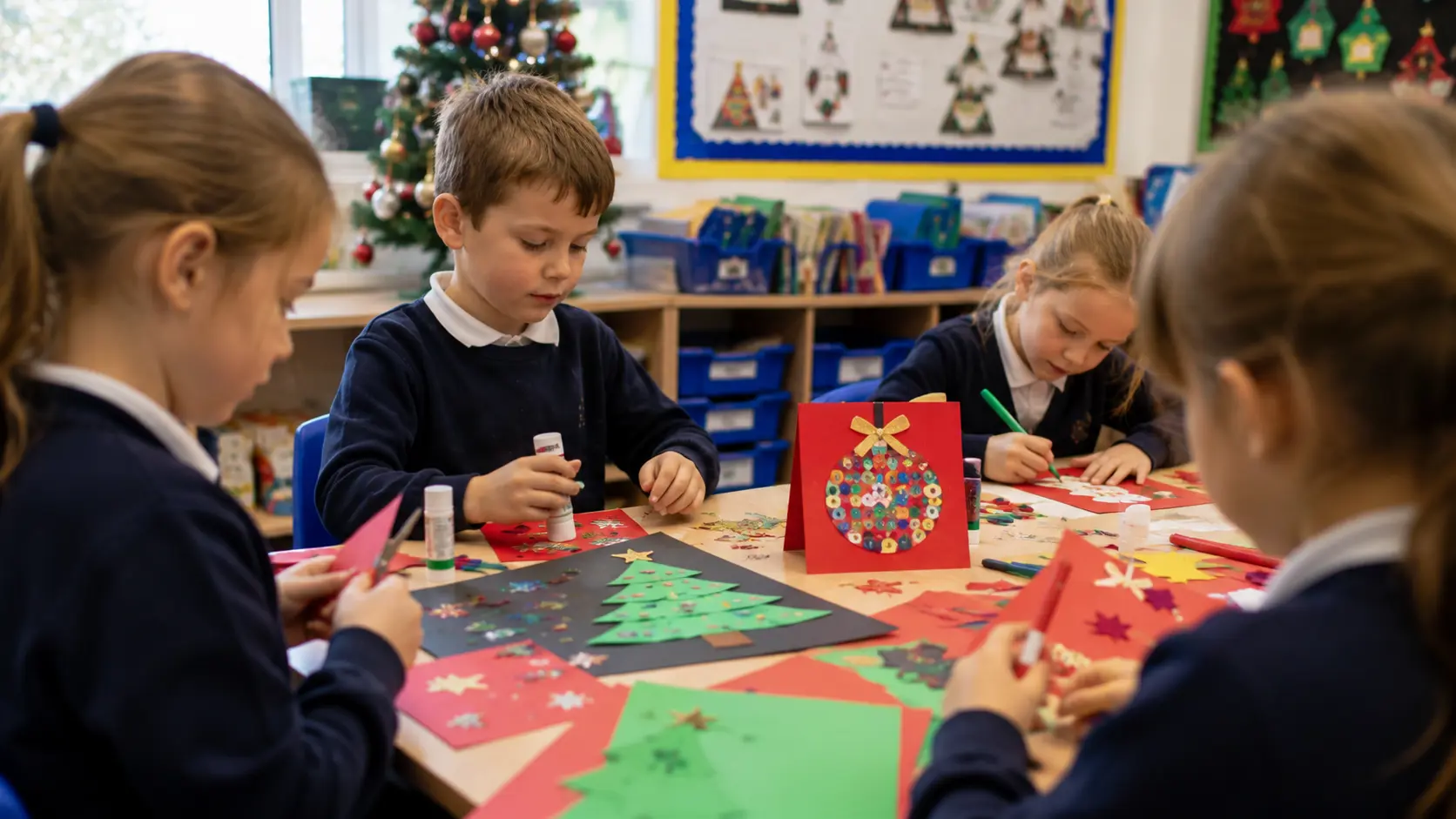
Christmas Craft Ideas for Primary Schools
Christmas craft activities can support creativity, fine motor development and cross-curricular learning throughout primary school. From simple EYFS making activities to more detailed Key Stage 2 projects, seasonal crafts provide opportunities for pupils to develop artistic techniques, explore materials and create meaningful work linked to the DfE Art and Design National Curriculum. The most successful Christmas projects balance creativity, practicality and classroom reality.
Jack Clarke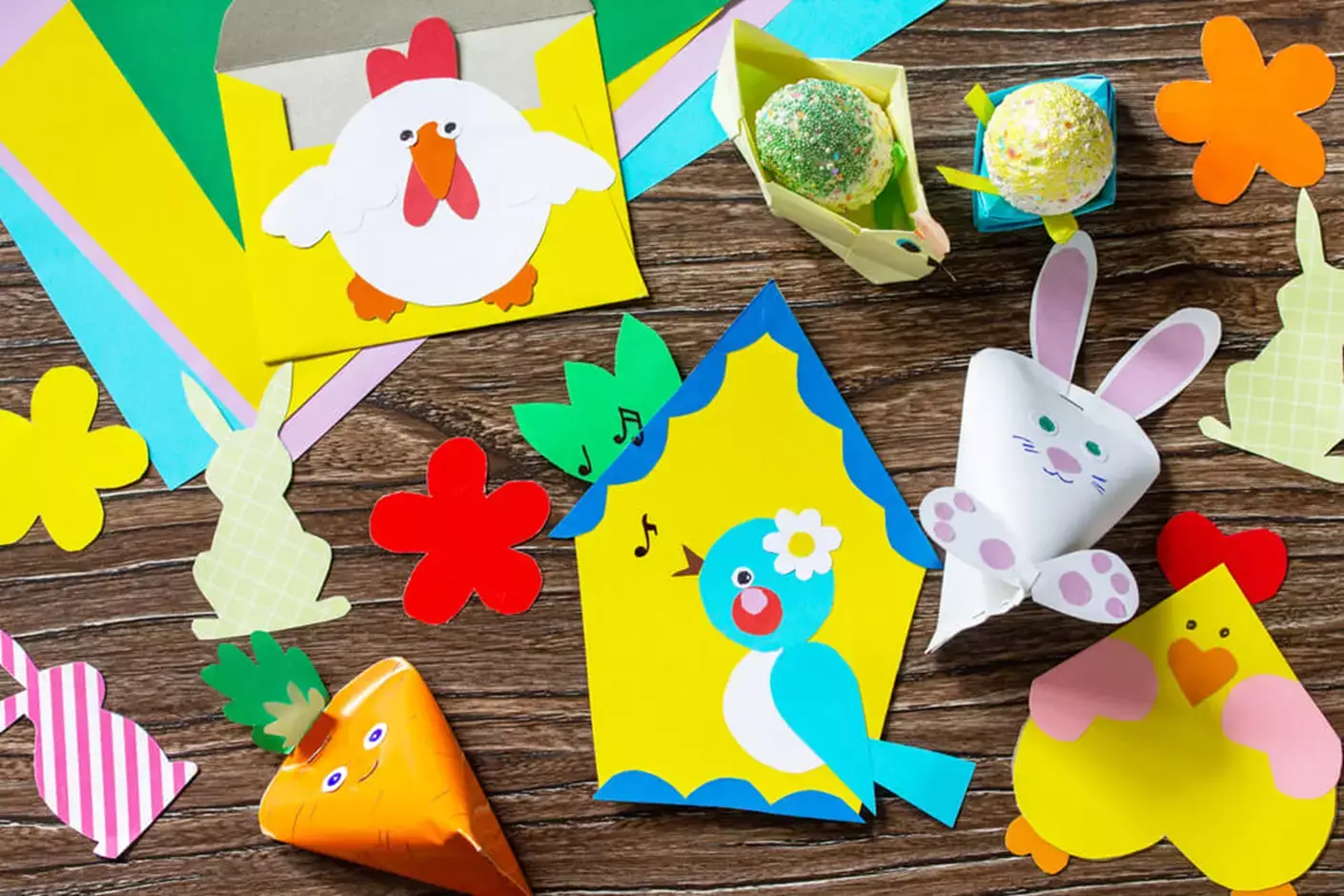
Bulk buying spring crafts
Bulk buying spring crafts- various spring crafts with different materials.
Fun Easter activities to do for your school
Want to make the last few days of term special and fun? Read our fun Easter activities to do for your school here.
Frequently Asked Questions
What art supplies does a primary school need?
Most schools require paint, brushes, drawing materials, paper, card, modelling resources and seasonal craft supplies to support the art curriculum.
What is the best paint for primary schools?
The most suitable paint depends on the activity, age group and learning objective. Ready-mix and poster paints are commonly used for everyday classroom activities.
How many paint brushes should a class have?
Requirements vary by class size and activity type. Schools should use historical ordering data and curriculum plans to determine appropriate quantities.
Is fabric paint safe for schools?
Fabric paints designed for educational use are generally safe when used correctly and in accordance with manufacturer instructions and CLEAPSS guidance.
Should schools use air dry clay or kiln-fired clay?
Air dry clay is often more practical for primary schools because it does not require specialist firing equipment.
What is sugar paper used for?
Sugar paper is commonly used for painting, collage, displays and general craft activities.
What is the difference between cartridge paper and sugar paper?
Cartridge paper is generally used for drawing and sketching, while sugar paper is more commonly used for craft and painting activities.
How does art support the National Curriculum?
Art and Design helps pupils develop creativity, artistic skills, critical thinking and an understanding of artists, craft makers and designers.
Stay connected with GLS
Follow GLS for practical classroom ideas, product inspiration, school procurement guidance and the latest education news.