

Editor's pick
SEND, Literacy and Numeracy Resources for Primary Schools
SEND resources help schools remove barriers to learning and provide appropriate support for children and young people with special educational needs and disabilities. The SEND Code of Practice 0–25 years emphasises the importance of identifying needs early, providing high-quality teaching and making reasonable adjustments to support participation, progress and inclusion. This hub brings together practical guidance, sensory resources, communication tools and intervention materials to help schools create inclusive learning environments that support all pupils.
SEND, Literacy and Numeracy Categories
What SEND resources does a primary school need?
The SEND Code of Practice makes clear that schools should adopt a graduated approach to identifying and supporting pupils with SEND. Effective provision often combines high-quality teaching, targeted interventions and carefully selected resources that help pupils access learning, communicate effectively and participate fully in school life.
Featured articles
Ready to order? Browse the full SEND range with free next-day delivery on orders over £40.
Shop send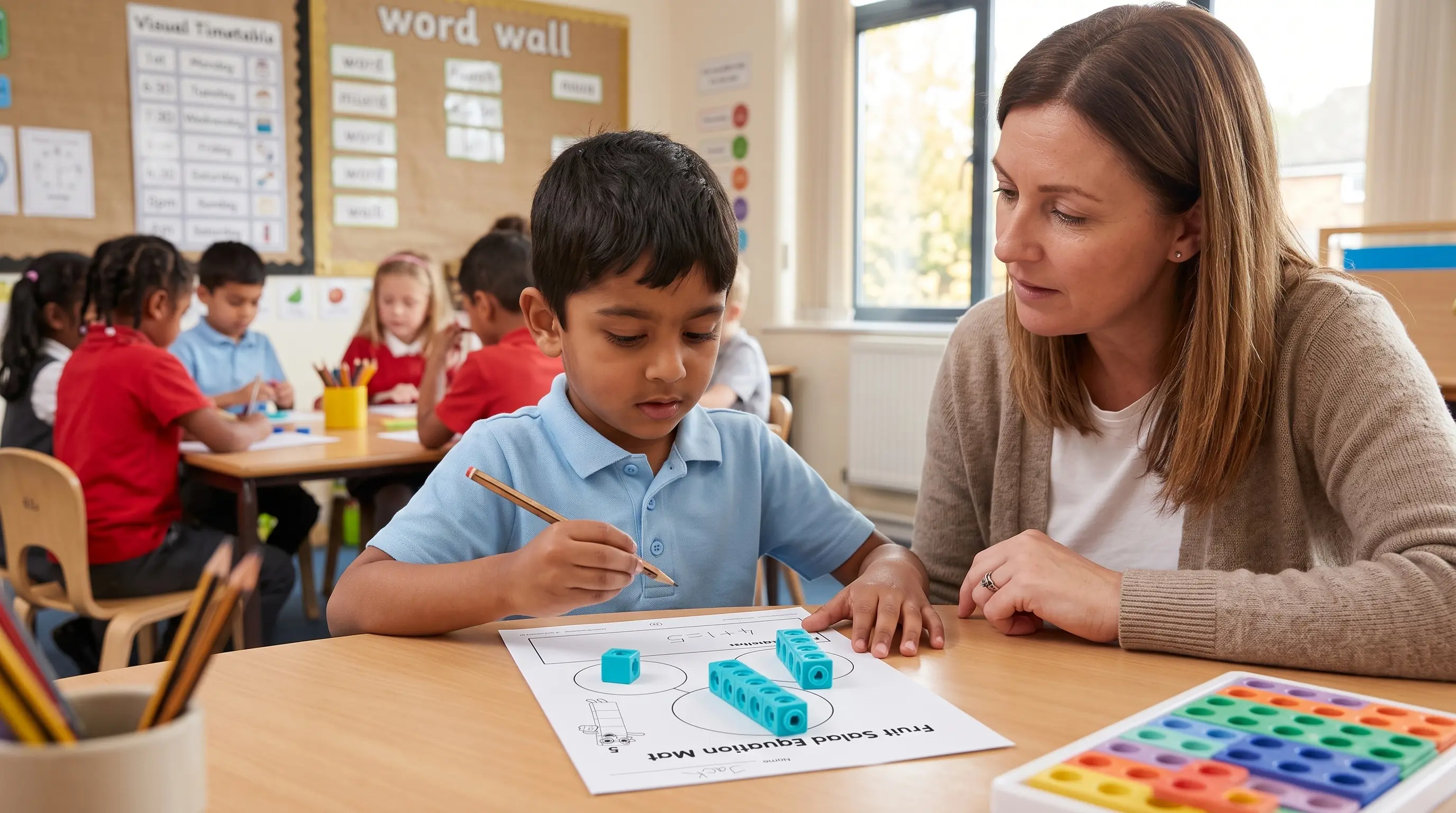
Creating Inclusive Classrooms: Practical Strategies That Help Every Pupil Thrive
Effective inclusion is not about creating separate learning experiences. It is about removing barriers so that every pupil can engage meaningfully with learning. Explore practical strategies for adaptive teaching, SEND support, assistive technology and inclusive classroom practice.
Natalie McMunn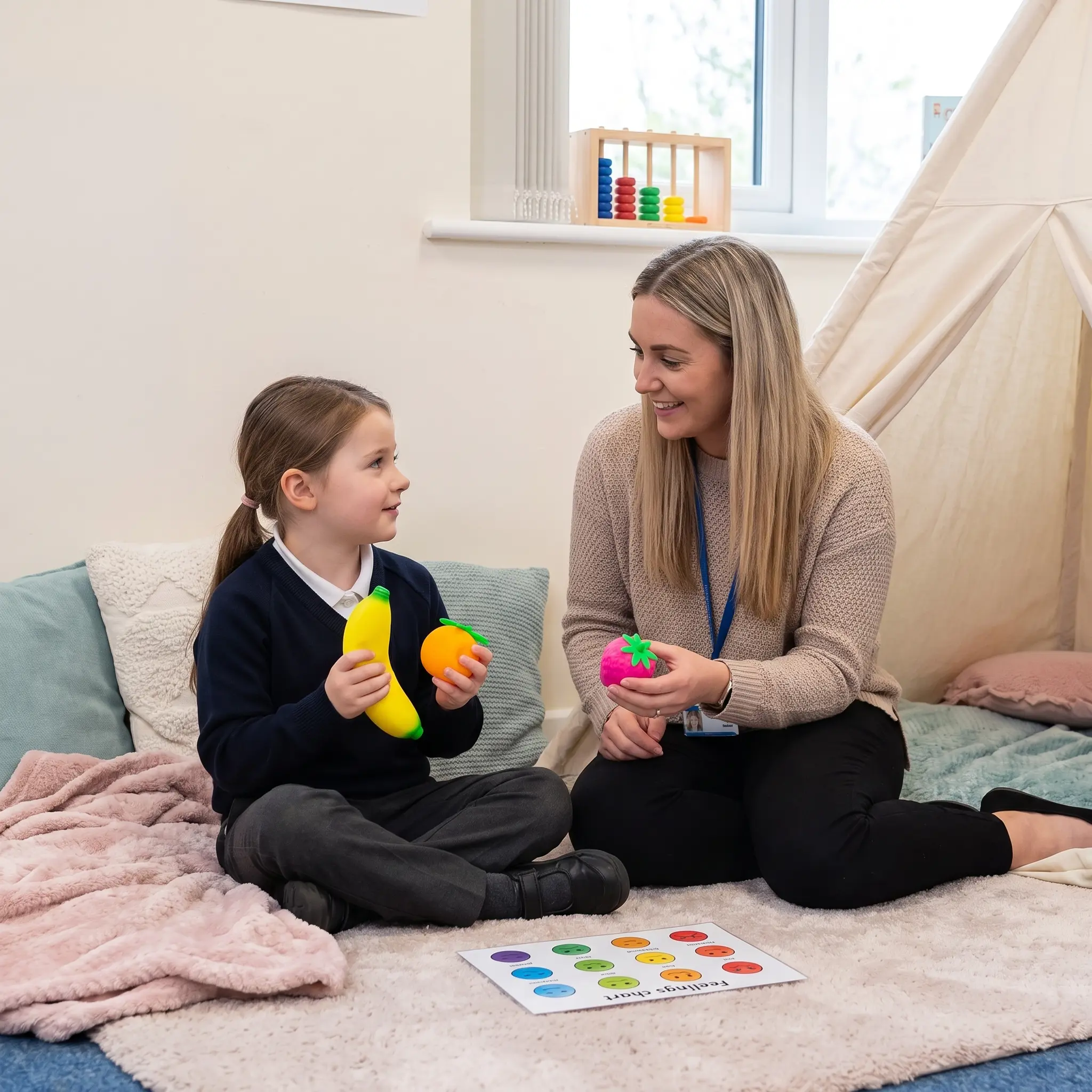
Fidget toys and sensory tools for schools: a buying guide
The best sensory tools for schools are those that match a pupil's individual sensory needs and help them access learning successfully. For teachers and SENCOs, the goal is not simply to buy fidget toys, but to create sensory support that improves attention, emotional regulation, wellbeing and inclusion across the school.
Natalie McMunn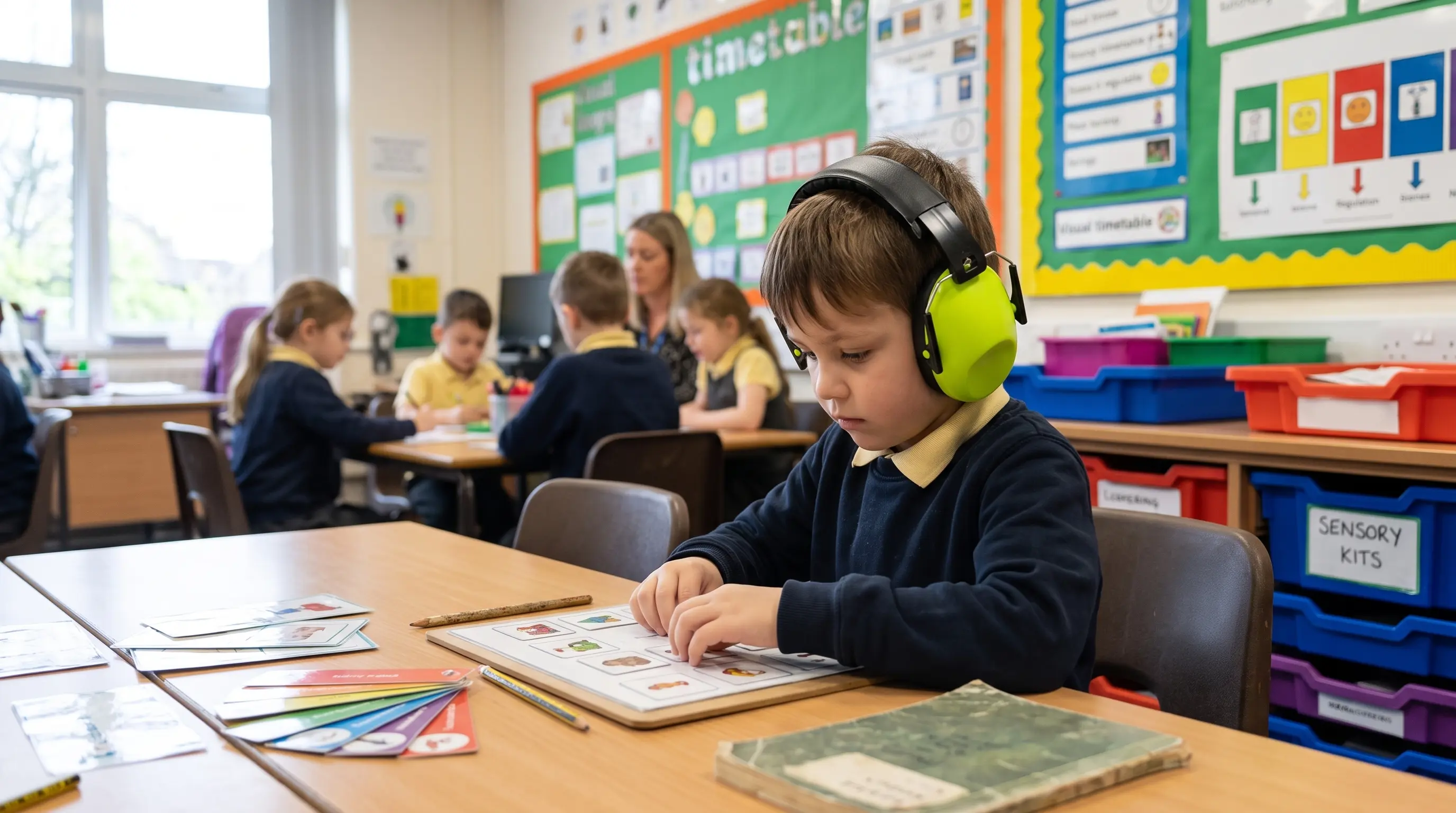
SEND resources for primary schools: a guide for SENCOs and class teachers
SEND resources for primary schools should help pupils access learning, build independence, regulate emotions and take part in classroom life. The best resources are chosen around identified needs, not labels, and should support the graduated approach through practical, inclusive provision that teachers can use confidently every day.
Natalie McMunn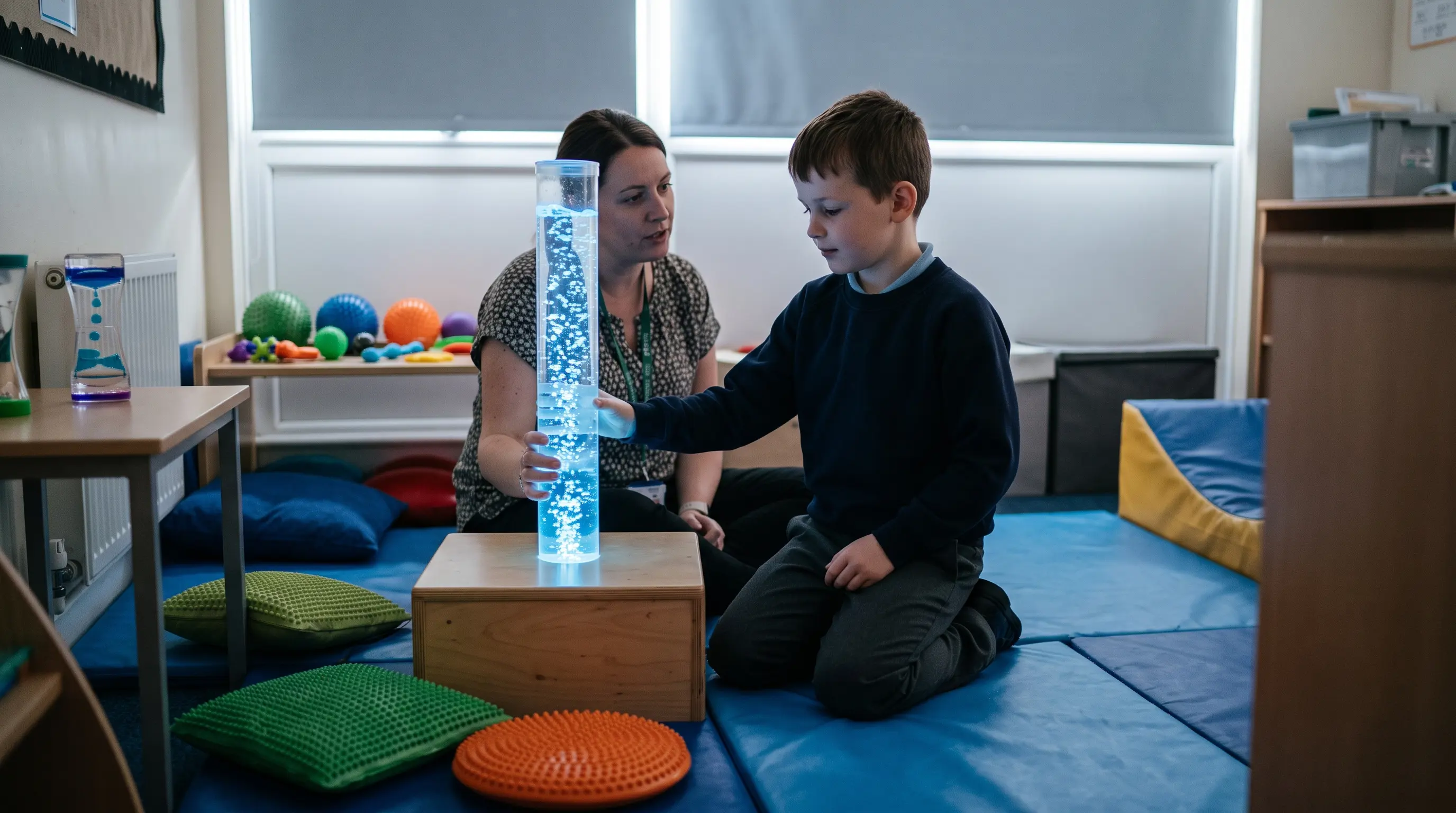
Sensory rooms in schools: what equipment do you need?
A school sensory room should include carefully chosen equipment that helps pupils regulate sensory input, reduce overwhelm, build communication skills and return to learning more successfully. For SENCOs and SBMs, the best sensory room is not the most expensive one, but the one designed around pupil need, staff use, available space and clear SEND outcomes.
Natalie McMunn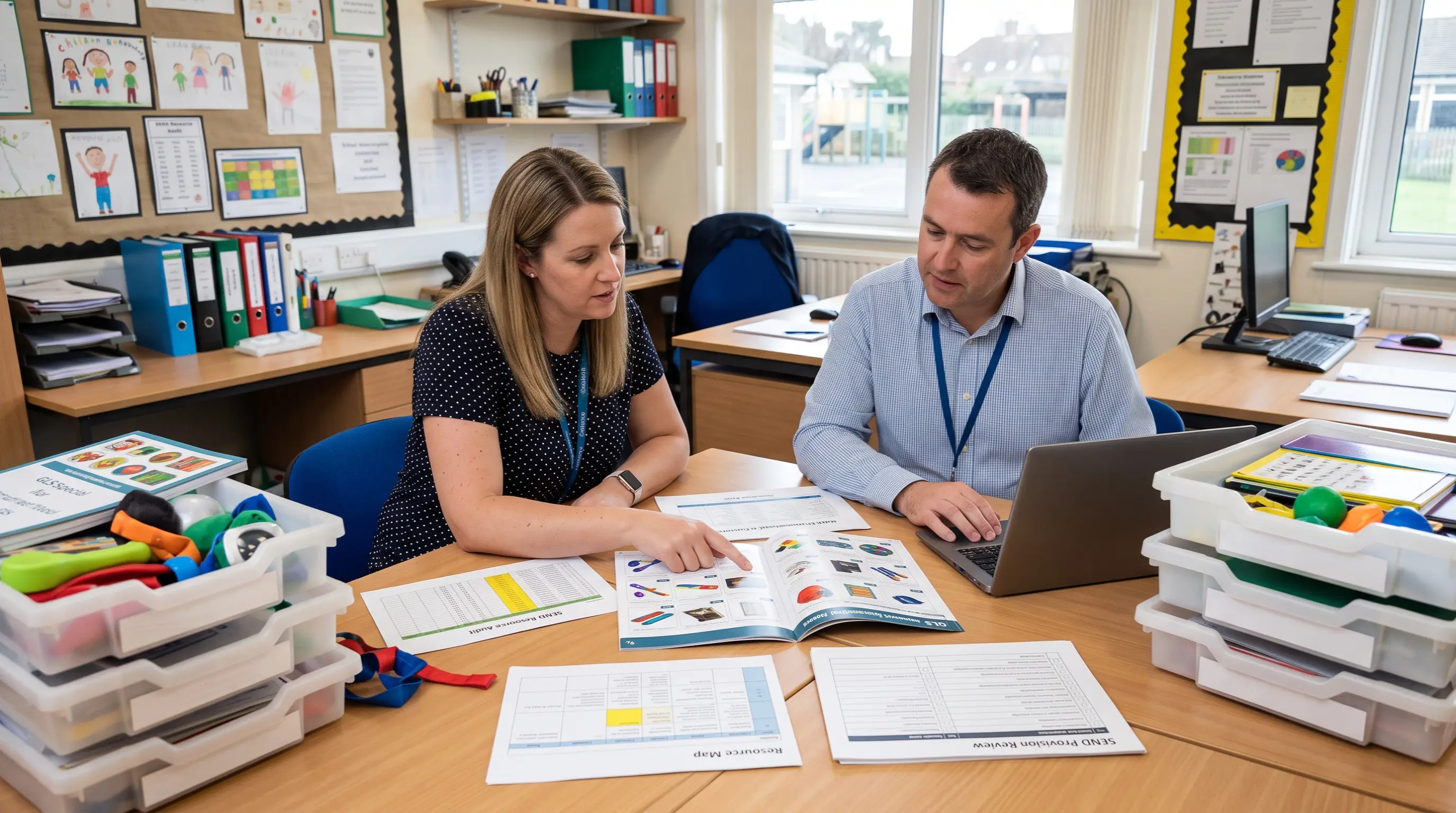
SEND reform 2025-26: what it means for school resource planning
SEND reform in 2025-26 means schools should plan resources around inclusion, early support, evidence of need and long-term sustainability. For SBMs and SENCOs, the priority is not simply preparing for new policy language, but making sure budgets, classroom resources, interventions and staff support are aligned to a system moving towards earlier, more consistent SEND provision.
Jack Clarke
Autism acceptance week: Ways to support autistic children in your school
Supporting autistic children in school means understanding the individual child, reducing unnecessary barriers and making learning, routines and social experiences more predictable and accessible. Practical support can include clear communication, visual aids, sensory adjustments, structured routines and opportunities for positive friendships. The most effective approach is personalised, reviewed regularly and shaped with the child and their family.
Natalie McMunn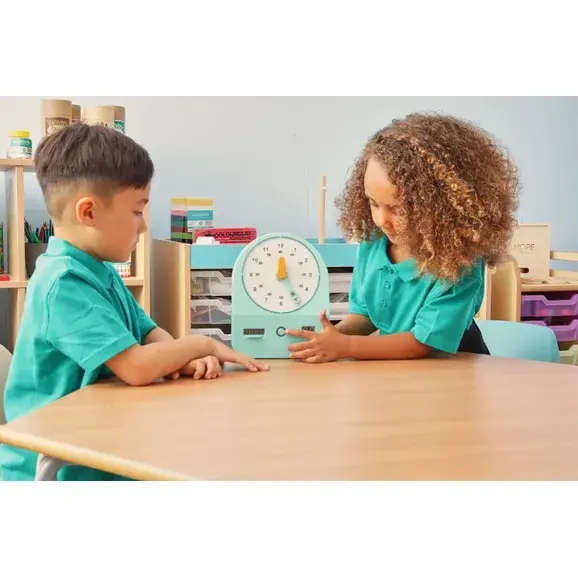
SEND Reform and Funding Pressure: Why Schools Cannot Afford to Wait
With a new SEND White Paper expected and high-needs funding under review, inclusion is rapidly moving from policy discussion to operational priority for schools and trusts across England.
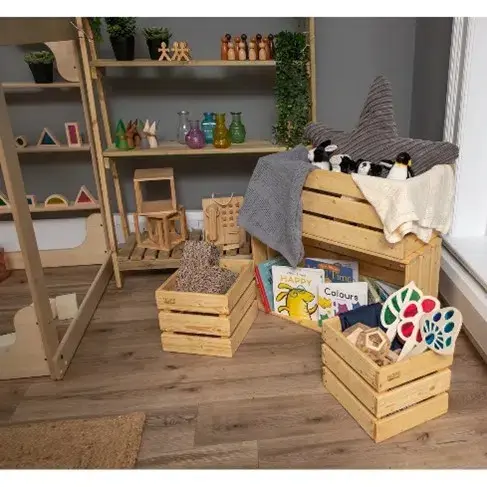
Creating Inclusive Classrooms
Employ a range of strategies and resources, teachers can use to reduce barriers to learning and ensure that most pupils are able to access the curriculum effectively.

Providing the right sensory products for your school
Make sure to create the perfect sensory room with some of our products available here at gls.

7 Ideas for Books to Read over Christmas
Great books to keep you occupied over the Xmas period.
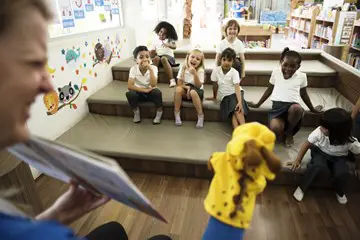
National Storytelling Week In Your School
Be prepared for National Storytelling Week in your school with these ideas that everyone can get involved in
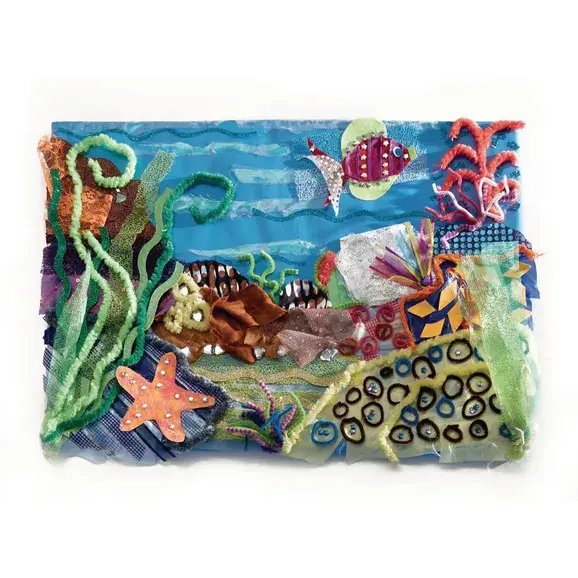
Why Sensory Art Belongs in Every Classroom
Explore how sensory art enhances learning in the classroom.
Frequently Asked Questions
What SEND resources should every primary school have?
Most schools benefit from a combination of sensory tools, visual supports, communication resources and intervention materials that help pupils access learning and participate fully in school life.
What is the SEND Code of Practice?
The SEND Code of Practice 0–25 years is the statutory guidance that outlines responsibilities for supporting children and young people with special educational needs and disabilities.
Are fidget toys suitable for classrooms?
Some pupils may benefit from fidget tools as part of a wider support strategy, although suitability depends on individual needs and circumstances.
What equipment is needed for a sensory room?
Common sensory room equipment includes bubble tubes, fibre optics, projectors, tactile resources, soft seating and sensory regulation tools.
Why are visual timetables important?
Visual timetables help pupils understand routines, reduce uncertainty and develop greater independence.
How can schools create more inclusive classrooms?
Inclusive classrooms combine high-quality teaching, appropriate adaptations, accessible resources and supportive learning environments.
What literacy resources support pupils with SEND?
Phonics resources, reading interventions, vocabulary supports and visual literacy tools are commonly used to support literacy development.
What changes are proposed through SEND reform?
The 2026 consultation proposes reforms intended to improve consistency, access and outcomes across SEND provision, but it does not replace the current SEND Code of Practice or schools' existing statutory duties.
Stay connected with GLS
Follow GLS for practical classroom ideas, product inspiration, school procurement guidance and the latest education news.