

Editor's pick
Teaching Tools and Learning Resources for Primary Schools
Teaching tools and learning resources help pupils develop knowledge, skills and understanding across the curriculum. From calculators, Numicon and mini whiteboards to globes, maps, reading resources and oracy tools, these resources support effective teaching and curriculum delivery. This hub brings together curriculum-linked guidance, practical buying advice and resource recommendations to help schools choose learning tools that support pupil progress, classroom engagement and educational outcomes.
Teaching Tools and Learning Resources Categories
What teaching tools and learning resources does a primary school need?
Effective classrooms rely on a wide range of teaching tools that help pupils understand concepts, practise skills and engage with learning. From mathematical manipulatives and geography resources to reading materials and classroom assessment tools, these resources support curriculum delivery across Key Stage 1 and Key Stage 2.
The most effective learning resources are those that directly support curriculum objectives while helping teachers assess understanding, encourage participation and adapt teaching to meet pupils' needs.
Featured articles
Ready to order? Browse the full teaching tools range with free next-day delivery on orders over £40.
Shop teaching tools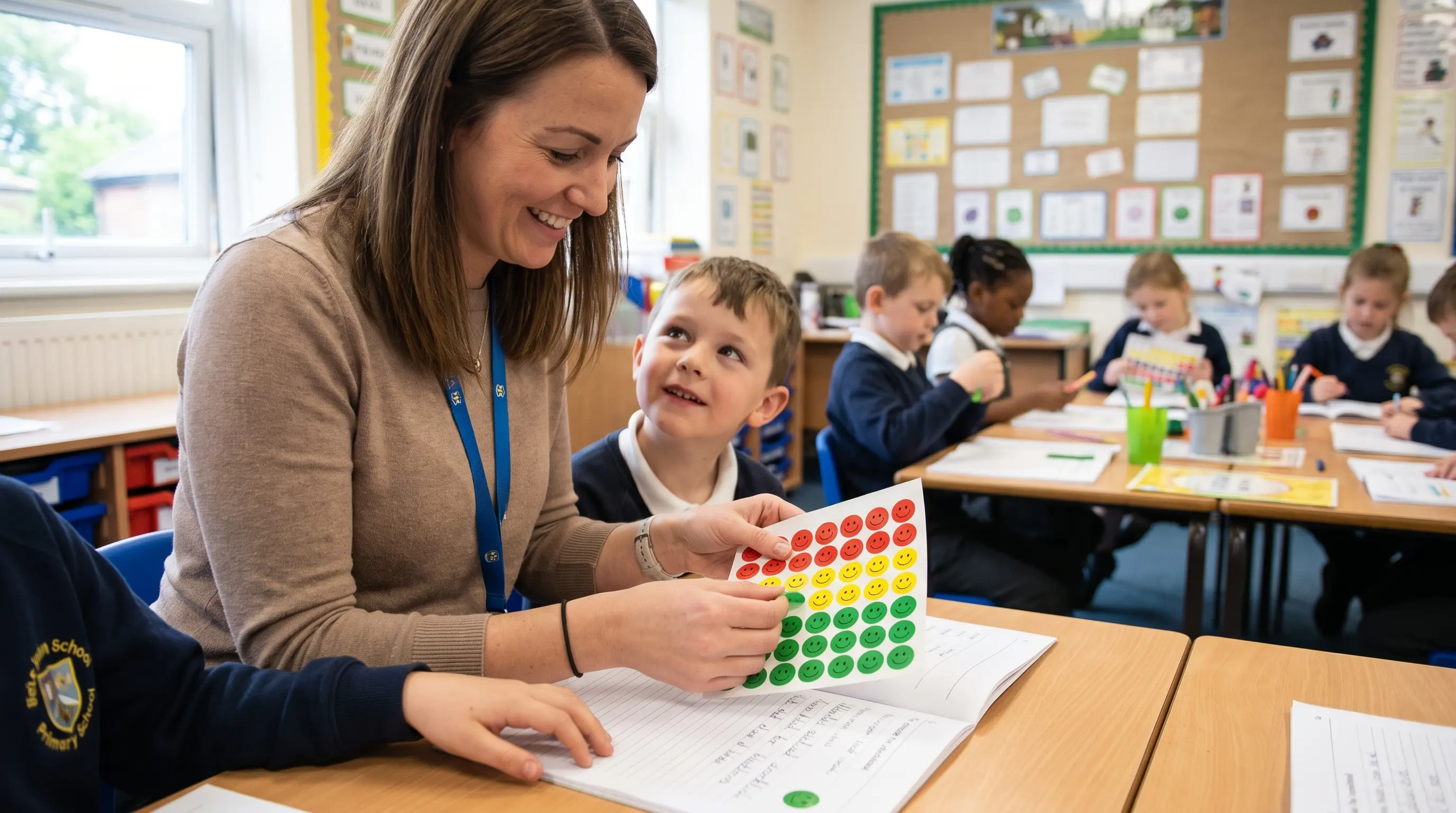
Reward Stickers and Reward Systems for Primary Schools
Reward stickers remain one of the most widely used classroom tools in primary schools because they provide immediate recognition, celebrate effort and reinforce positive learning behaviours. When used as part of a thoughtful reward system, stickers can support motivation, confidence and engagement. The most effective approaches focus on recognising progress, resilience and achievement rather than simply rewarding task completion.
Jack Clarke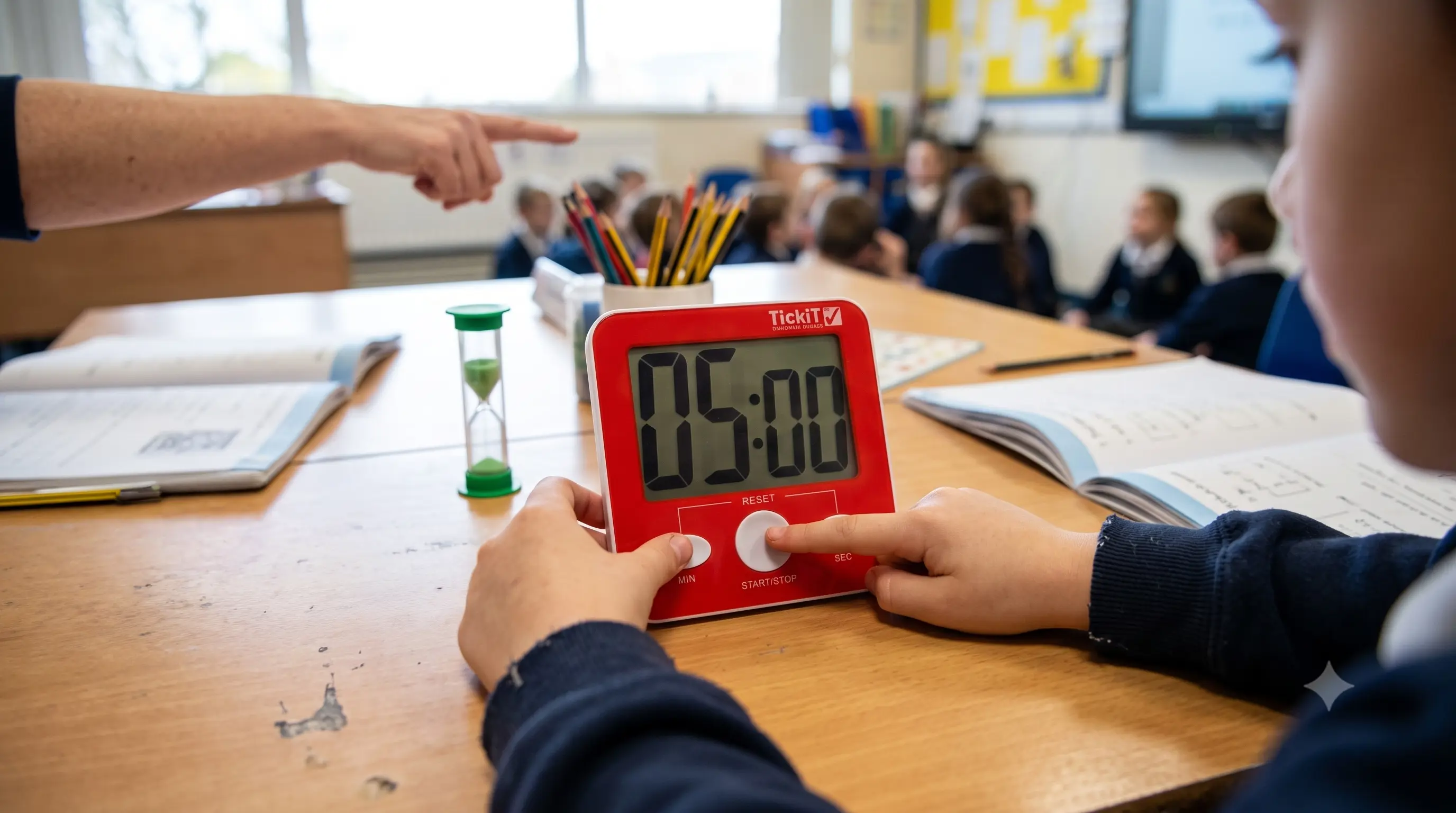
Classroom Timers for Primary Schools: Visual, Sand and Countdown
Classroom timers help pupils understand the passage of time, manage transitions and maintain focus during learning activities. Whether visual timers, sand timers or digital countdown timers, they support classroom routines, reduce interruptions and encourage independence. When used consistently, timers can improve lesson flow, strengthen behaviour expectations and help pupils take greater ownership of their learning.
Jack Clarke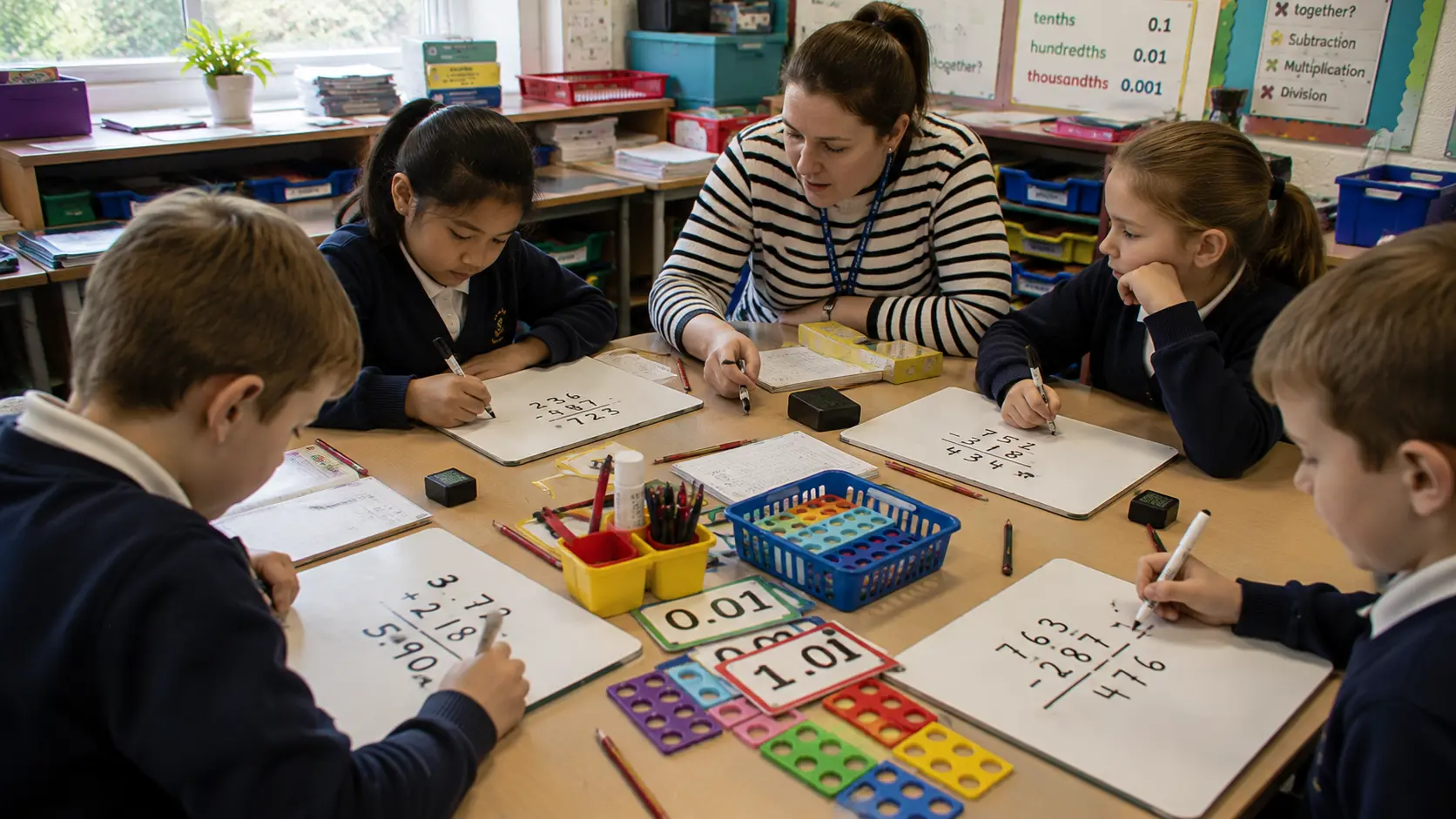
Mini Whiteboards for Schools: A Buying Guide for Teachers and SBMs
Mini whiteboards are one of the most widely used classroom resources in primary schools because they enable every pupil to participate, respond and practise ideas in real time. Commonly used in maths, phonics, spelling and formative assessment activities, they support active learning while reducing paper consumption. Choosing the right size, quantity and accessories helps schools maximise both educational impact and long-term value.
Natalie McMunn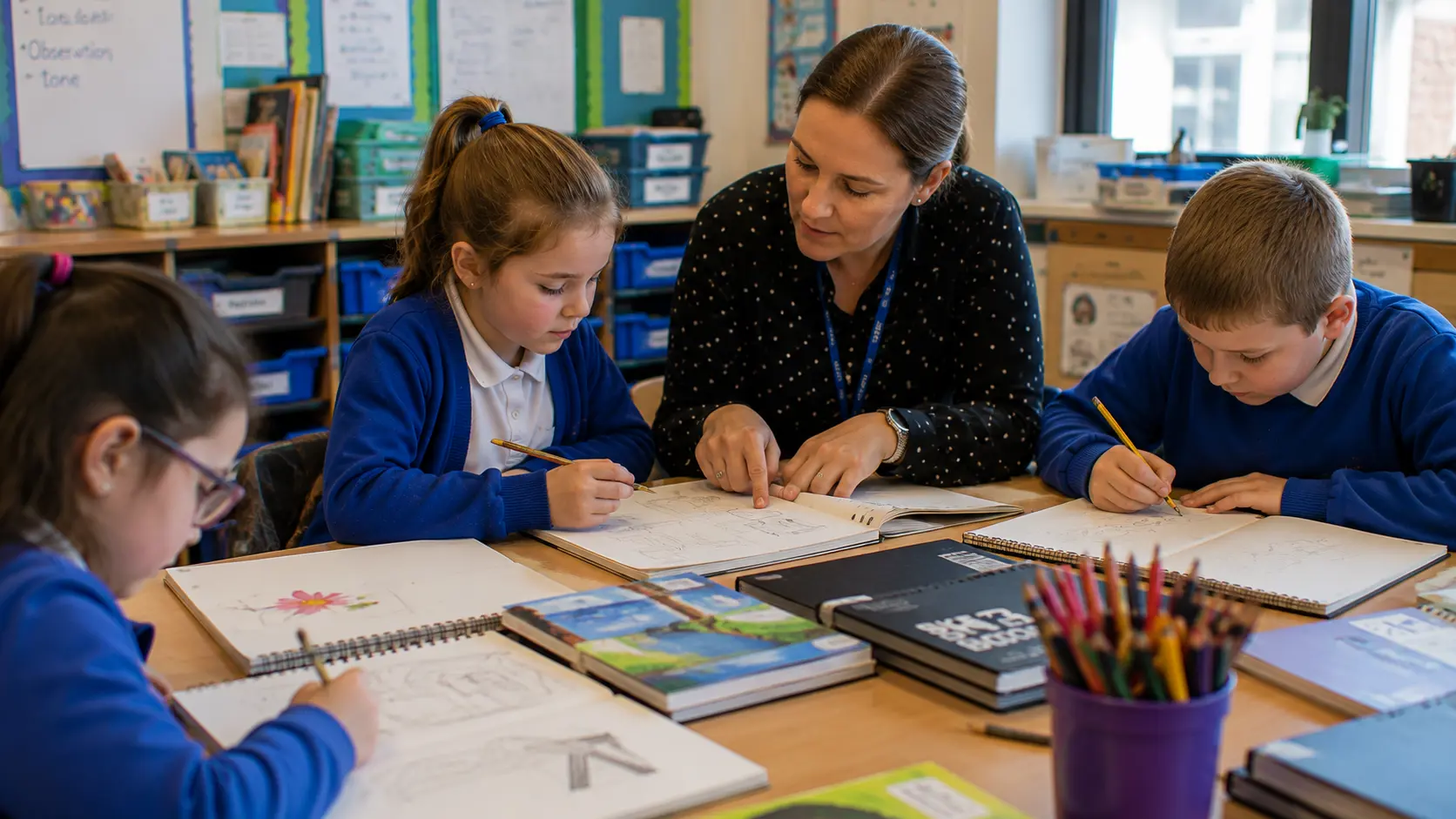
Sketchbooks for Schools: Which Size for Which Age?
The best sketchbook size depends on pupils' age, confidence and the type of artwork being created. Younger children generally benefit from larger formats that encourage exploration and mark-making, while older pupils often require additional space to develop ideas, experiment with techniques and record artistic progress. Choosing the right sketchbook helps support progression within the DfE Art and Design National Curriculum and allows pupils to build a meaningful record of their creative journey.
Jack Clarke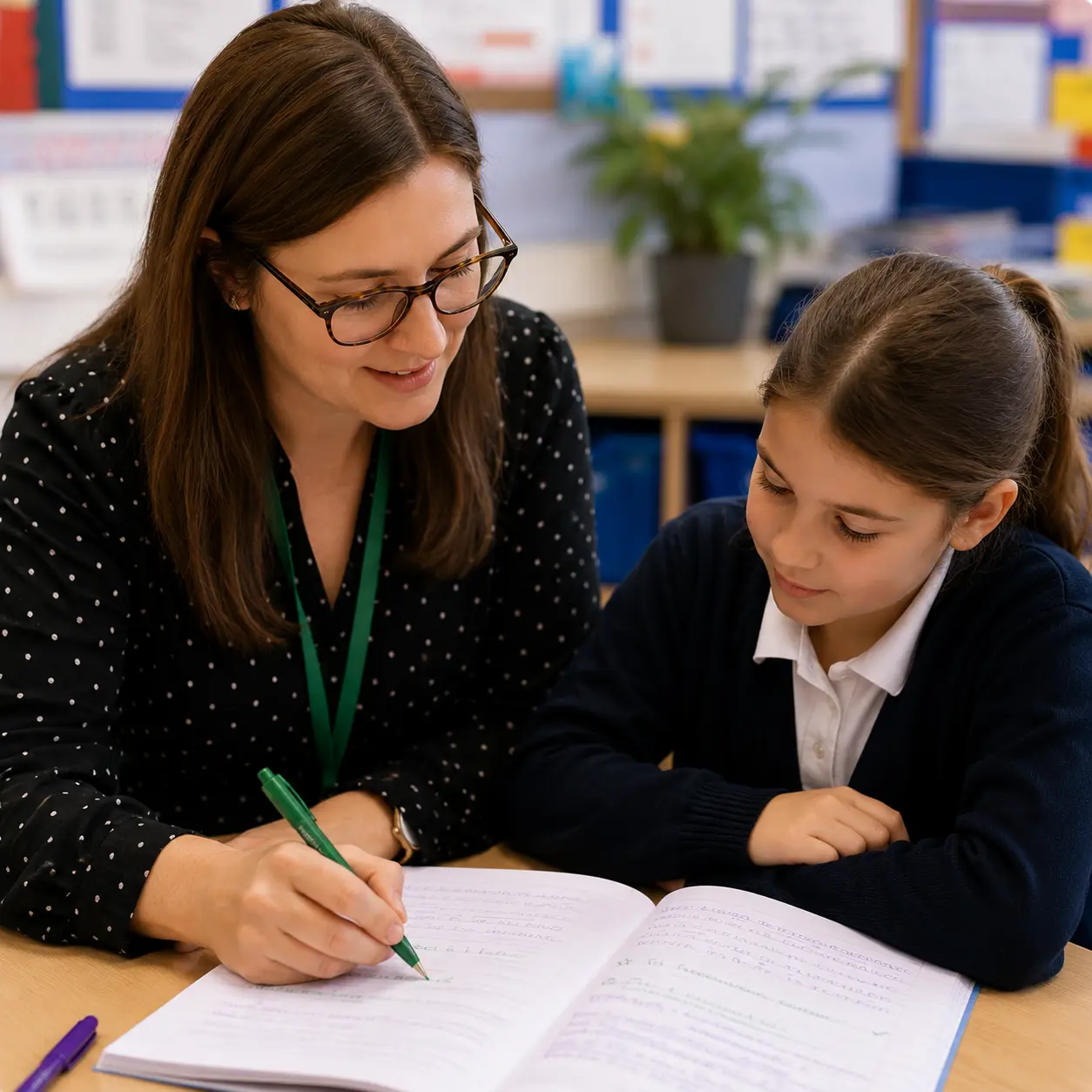
Green, purple and red pens for schools: marking and self-assessment explained
Colour-coded marking systems help pupils understand feedback, take ownership of improvements and make progress visible over time. While green, purple and red pens each serve different purposes, the real value lies in creating a consistent approach that helps pupils engage actively with learning rather than simply receiving feedback.
Jack Clarke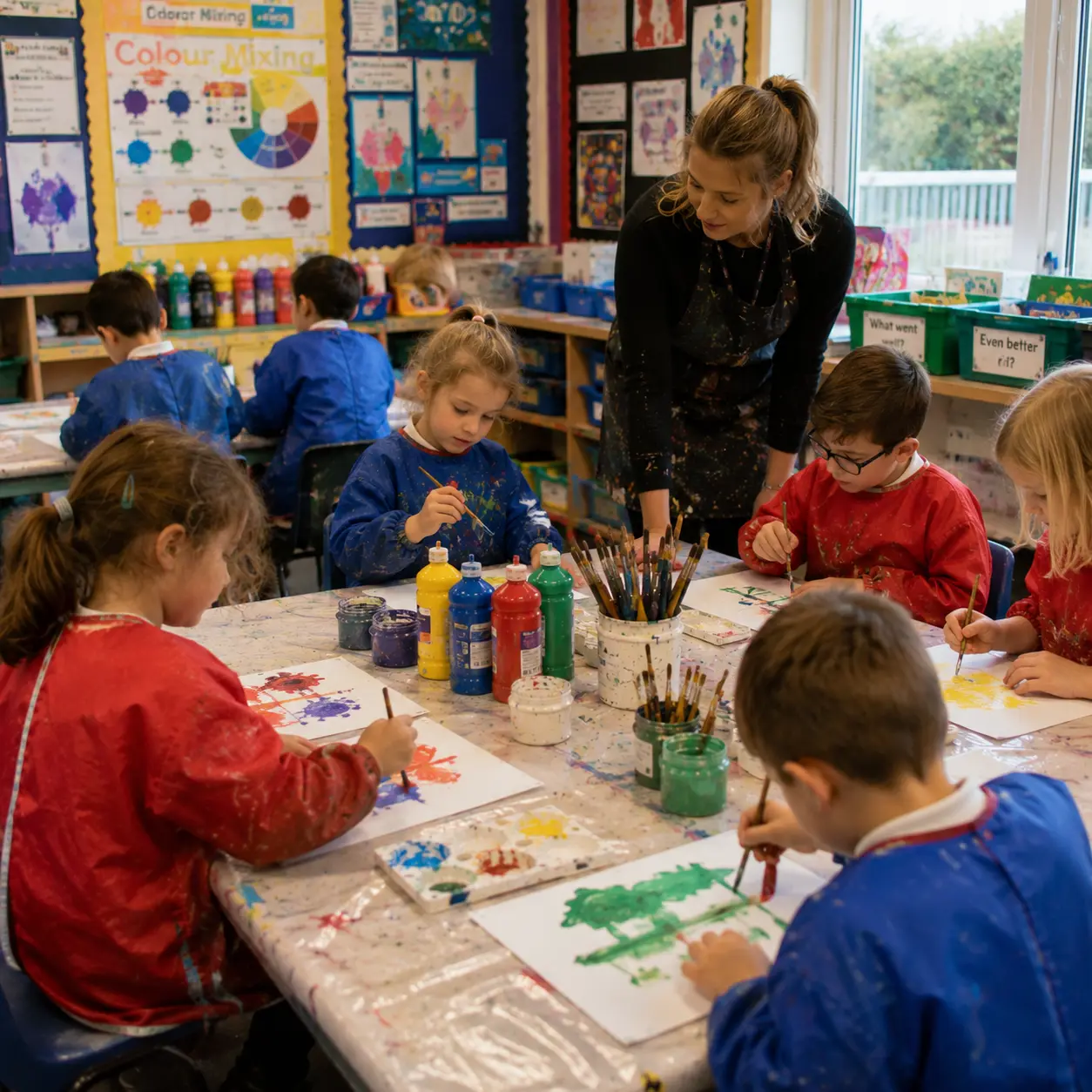
Primary School Paint Guide: Powder, Ready-Mix, Acrylic and Poster Paint Compared
Paint is one of the most frequently used resources in primary schools. From Reception handprints and colour-mixing activities to Year 6 artist studies and collaborative display projects, it supports creativity, experimentation and self-expression across every stage of a child's development. Choosing the right paint is not simply about colour or price. Different paint types serve different educational purposes, and understanding where each works best can help schools reduce waste, manage budgets more effectively and create richer artistic experiences for pupils.
Jack Clarke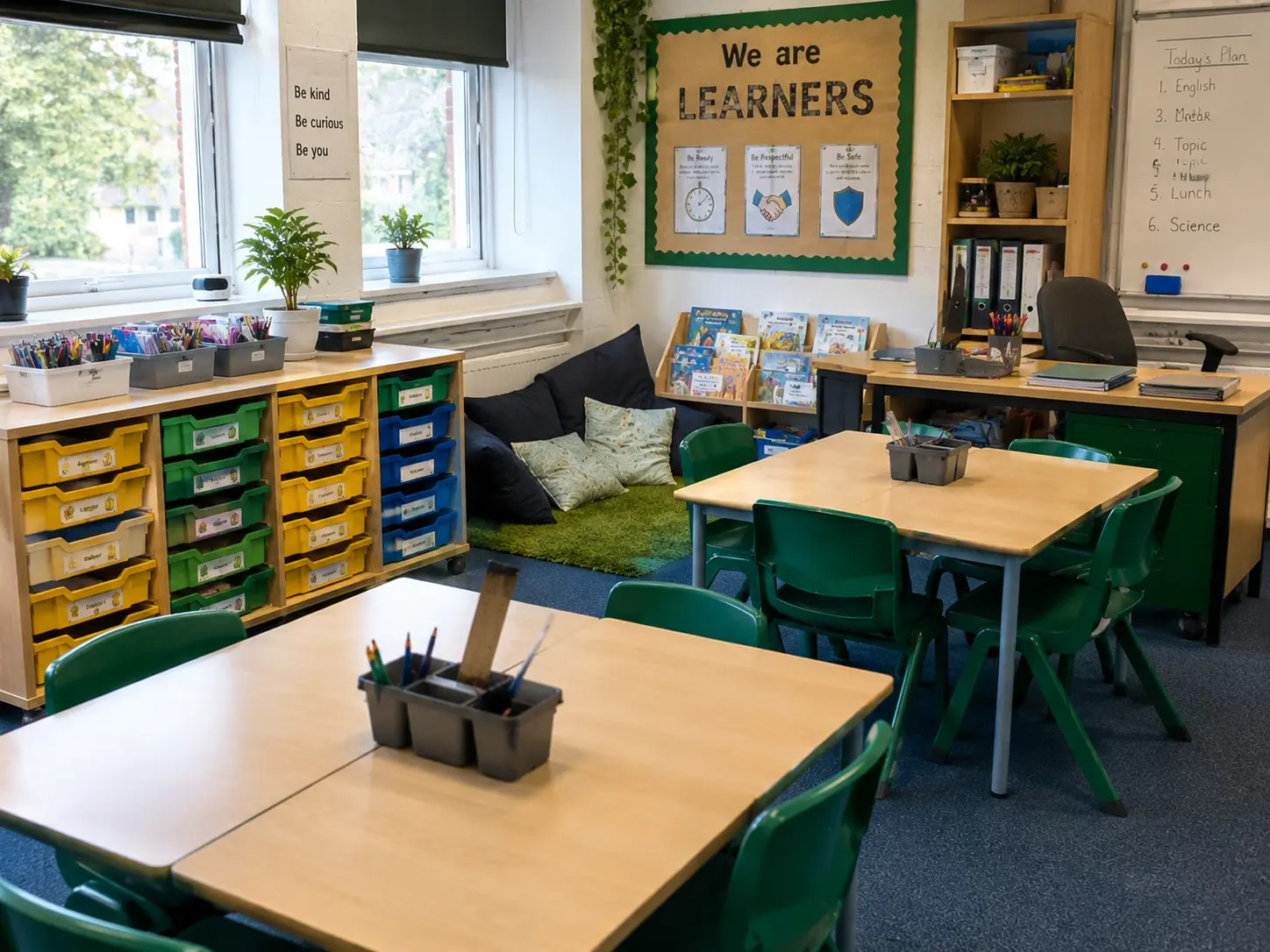
How Classroom Layout Affects Pupil Behaviour and Focus
Classroom layout can have a significant impact on pupil behaviour, concentration and learning outcomes. Research from the University of Salford's Clever Classrooms (HEAD) study, which examined 153 classrooms and 3,766 pupils, found that classroom design factors accounted for 16% of the variation in learning progress. Elements such as organisation, flexibility, lighting, accessibility and furniture layout can influence how effectively pupils engage with learning throughout the school day.
Jack Clarke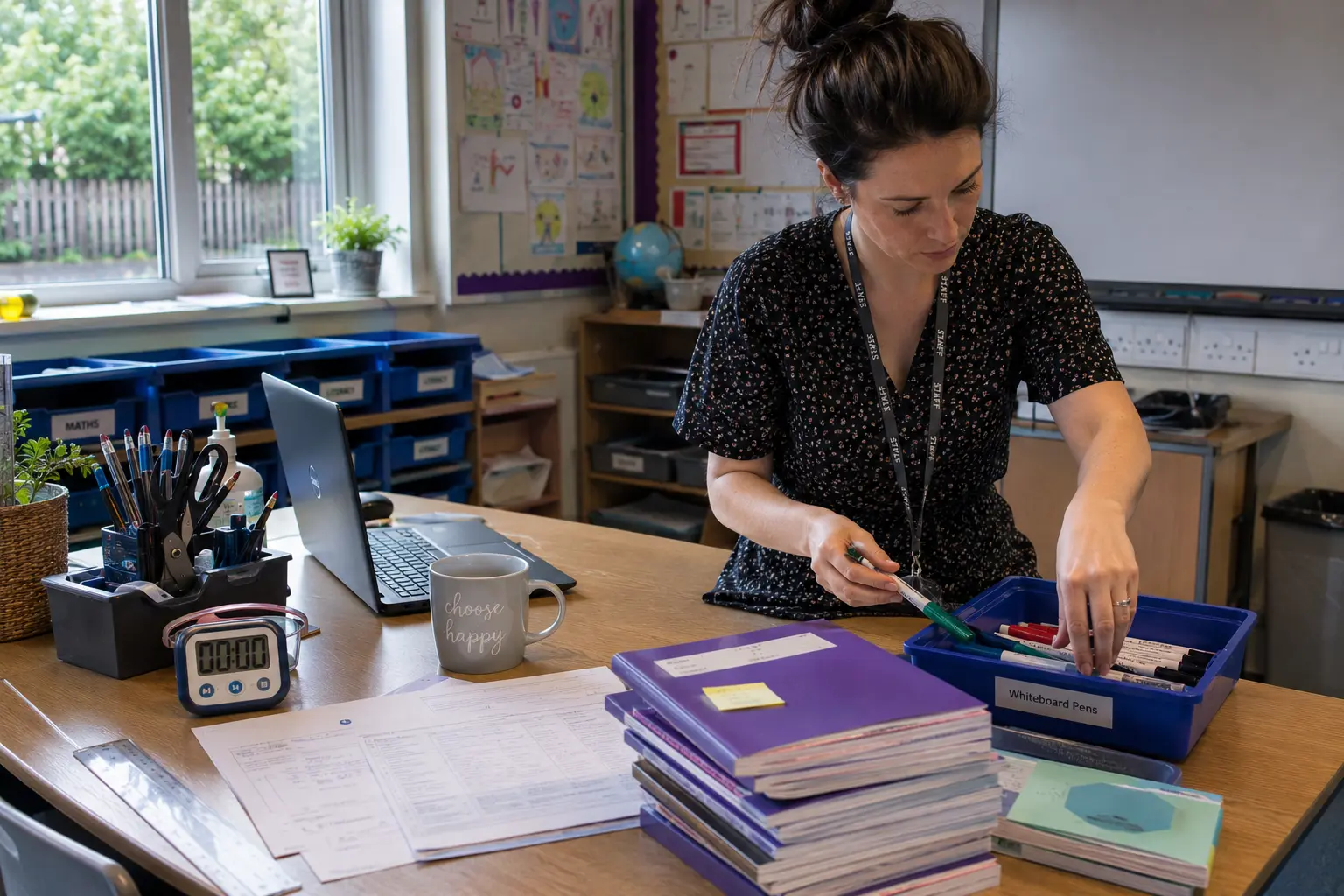
Top 10 Classroom Setup Essentials: A Practical Guide for Teachers and School Business Managers
Every primary classroom relies on a small collection of everyday resources to function effectively. Whiteboard pens, staplers, scissors and sticky notes may not feature prominently in school improvement plans, but when they are missing, broken or in short supply, teaching time is quickly lost. At GLS, conversations with teachers, teaching assistants and School Business Managers often highlight the same reality: the smooth running of a classroom depends on having the right resources available at the right time. Ensuring classrooms are properly equipped is not simply a matter of convenience. It is a practical way to reduce workload, improve organisation and make school budgets work harder.
Natalie McMunn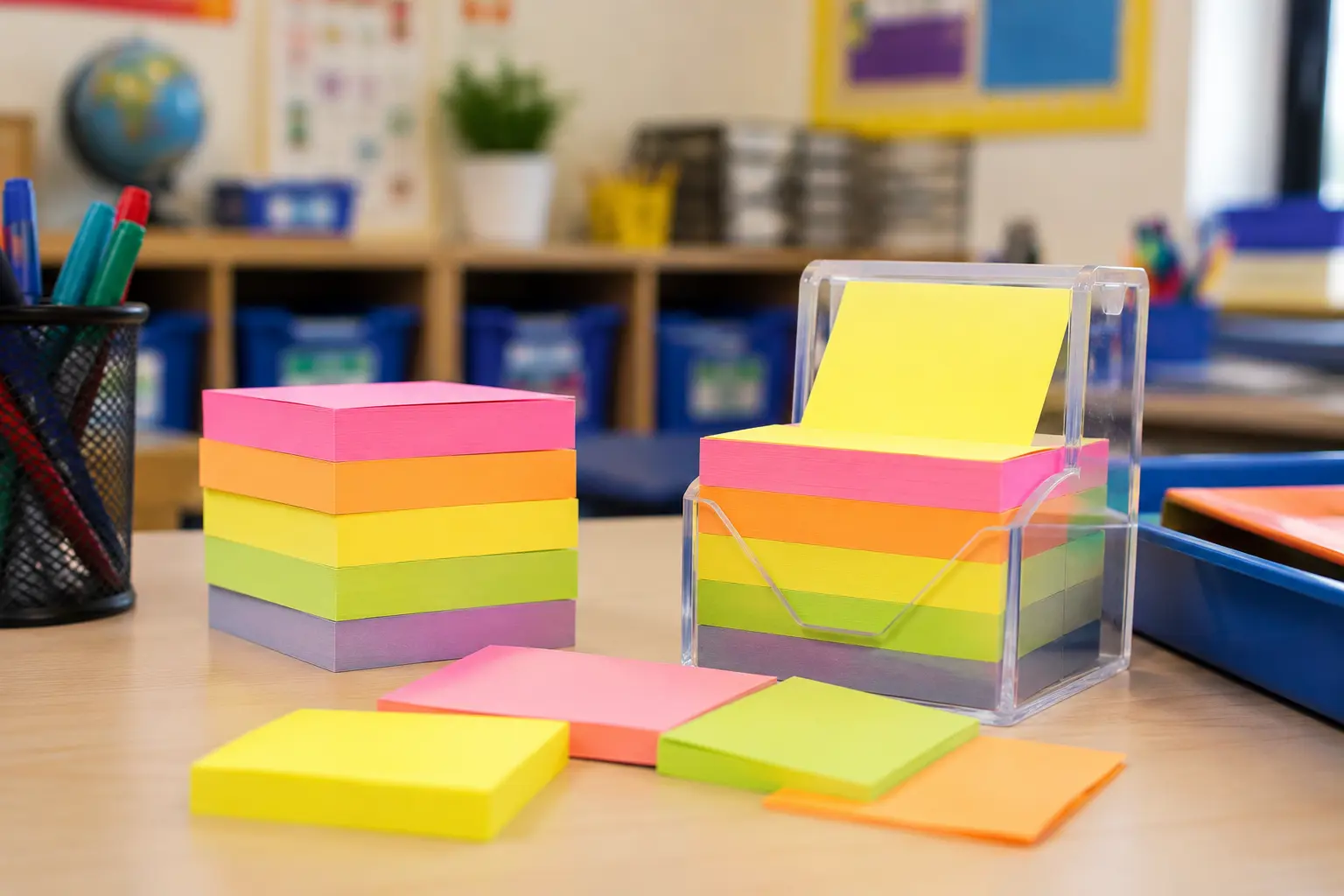
Sticky Notes for Schools: Sizes, Uses and How Many to Order
Sticky notes are one of the most versatile classroom resources used in schools, supporting assessment, feedback, planning, intervention work and classroom organisation. While they may seem like a minor stationery item, they are used daily by teachers, support staff and pupils across multiple curriculum areas. Choosing the right sizes, understanding typical usage and ordering appropriate quantities can help schools improve efficiency, reduce waste and achieve better value from everyday classroom supplies.
Natalie McMunn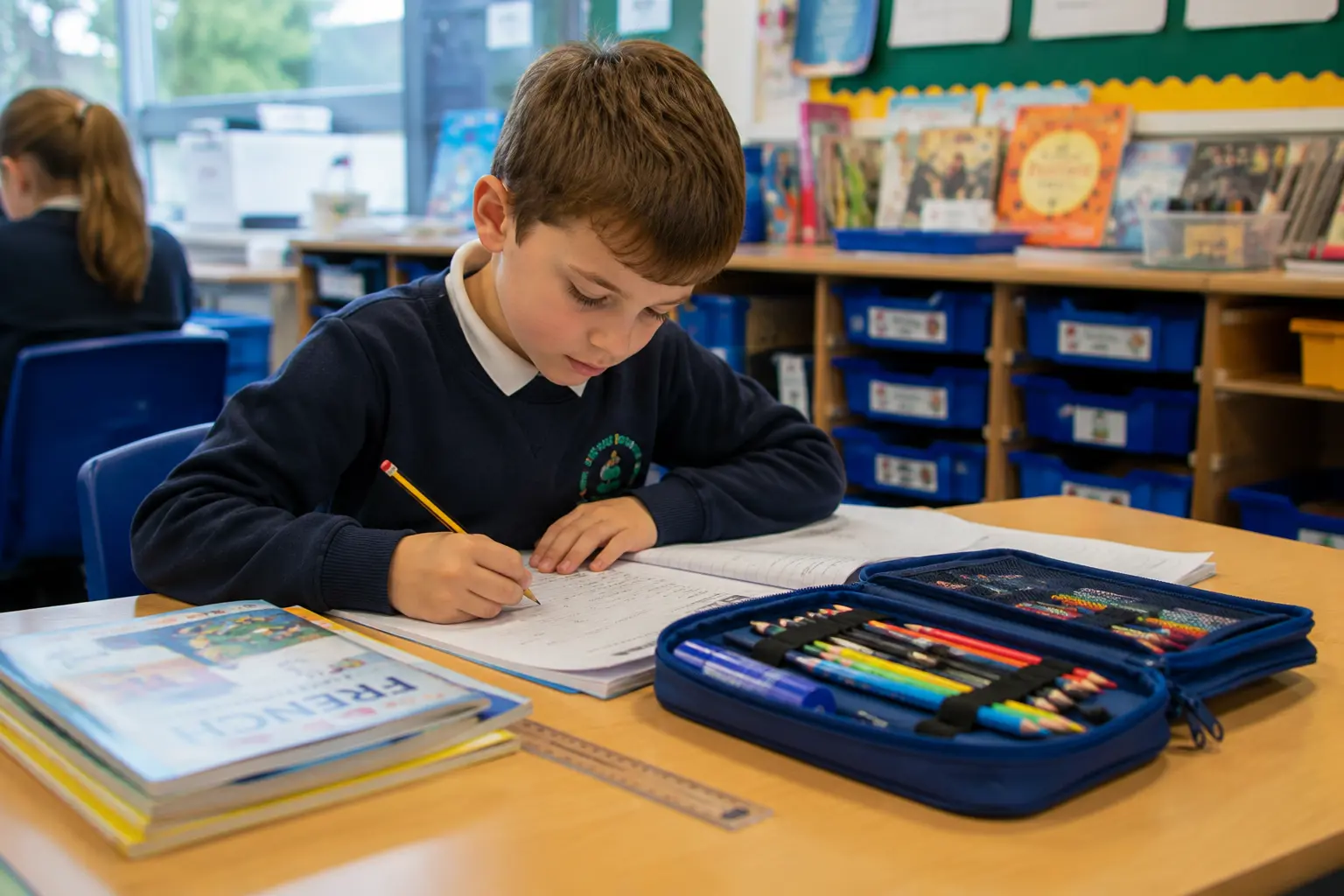
Pencil cases for schools: size guide by year group
The best pencil case size for a pupil depends on their age, classroom requirements and the resources they need to access throughout the school day. While younger pupils often benefit from simple, compact pencil cases, older primary pupils typically require larger, more organised solutions. Choosing the right size can improve classroom organisation, reduce lost equipment and help schools make better use of their stationery budgets.
Natalie McMunn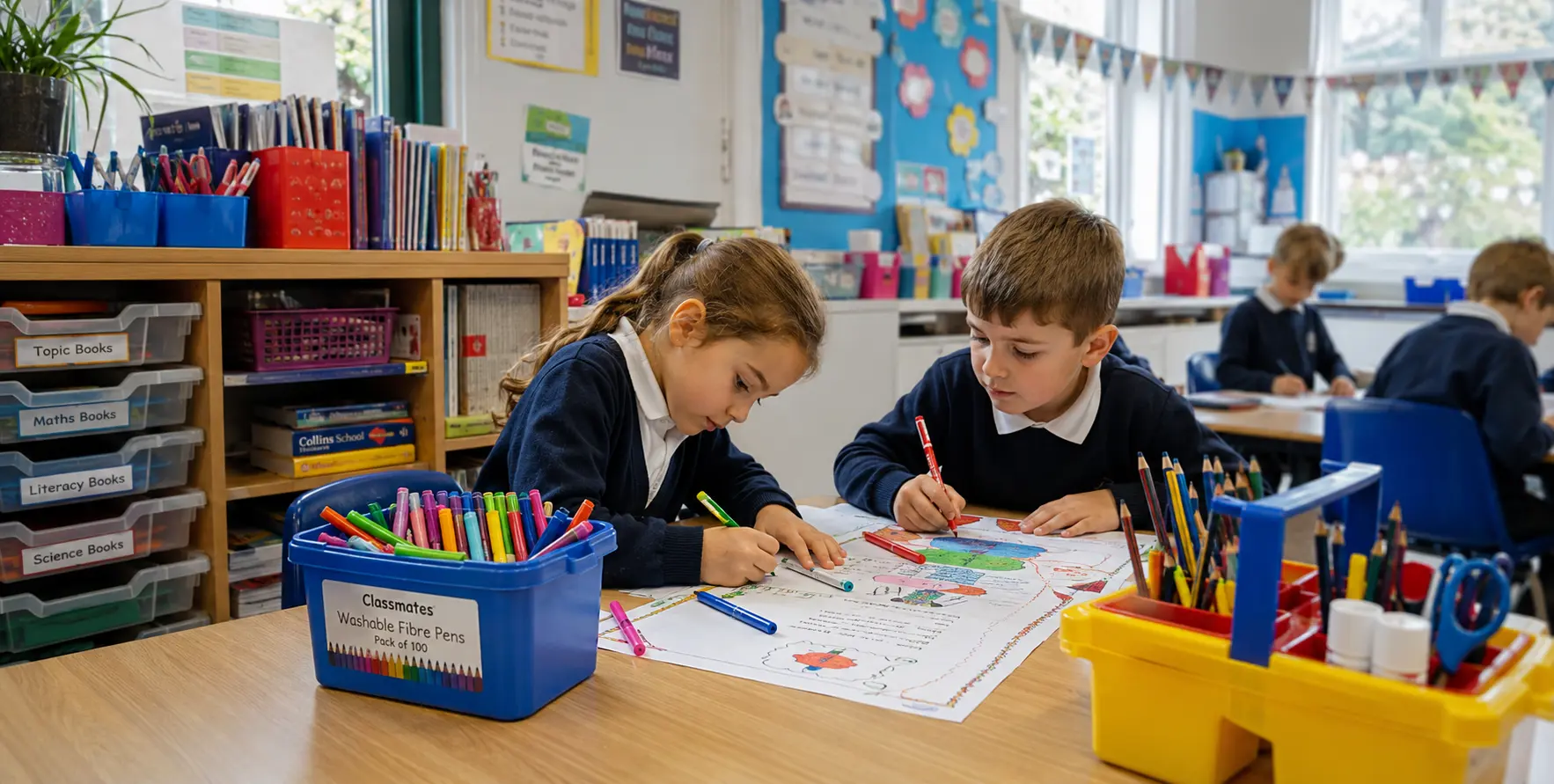
Felt Tip Pens for Primary Schools: Berol vs Classmates and How Many to Buy
Felt tip pens are one of the most frequently used classroom resources in primary schools, supporting everything from early mark-making and art activities to topic work, displays and creative learning. For most schools, the decision is not simply whether to buy felt tips, but which type offers the best balance of quality, durability and value. While Berol remains one of the best-known classroom brands, many schools are increasingly comparing it with education-focused alternatives such as Classmates to manage budgets without compromising the pupil experience.
Carla Bonner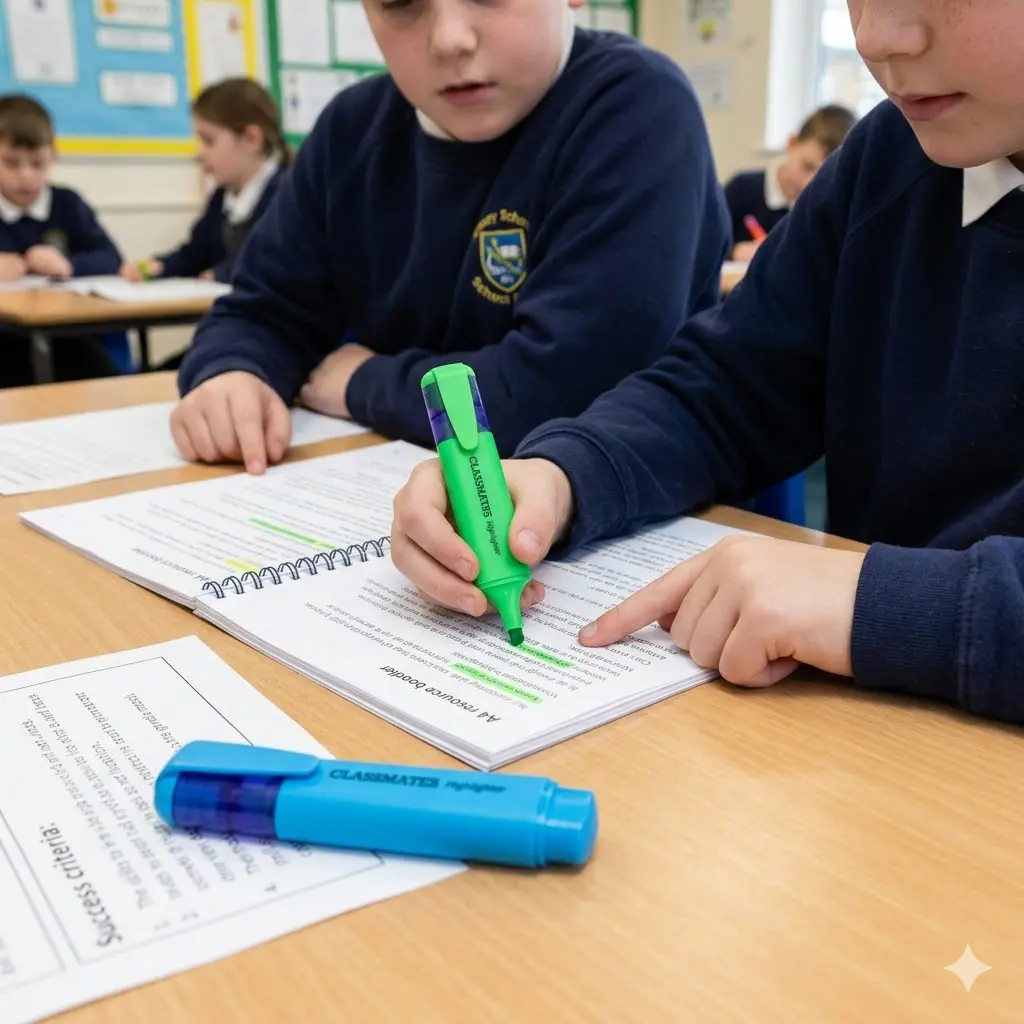
Highlighters for primary schools: classroom packs, colours and teacher use
Highlighters are a simple but powerful classroom tool. Used effectively, they help pupils identify key information, engage with feedback, organise their thinking and become more independent learners. For schools, the challenge is not choosing the brightest colour or the most recognisable brand, but creating consistent systems that support learning while keeping classroom resources easy to manage and cost-effective to replenish.
Carla Bonner
Frequently Asked Questions
What teaching tools should every primary classroom have?
Most classrooms benefit from calculators, mini whiteboards, geography resources, maths manipulatives, reading materials and practical classroom tools that support everyday teaching.
Do primary schools need calculators?
Calculators have a role in primary mathematics, but the National Curriculum expects them to be introduced only near the end of Key Stage 2, once pupils are secure in written and mental arithmetic — not as a routine tool throughout Key Stage 2.
What is Numicon used for?
Numicon helps pupils develop number sense, calculation skills and mathematical understanding through visual and tactile learning.
Why do teachers use mini whiteboards?
Mini whiteboards provide immediate assessment opportunities and encourage participation from every pupil.
Are globes still useful in primary schools?
Yes. Globes remain an important resource for teaching locational knowledge and understanding the world.
What is oracy?
Oracy refers to the ability to communicate effectively through spoken language, discussion and presentation.
How can schools promote reading for pleasure?
Schools can encourage reading through engaging reading environments, access to books and positive reading experiences.
Which classroom tools do teachers use most often?
Timers, dice, counters, mini whiteboards and practical maths resources are among the most frequently used classroom tools.
Stay connected with GLS
Follow GLS for practical classroom ideas, product inspiration, school procurement guidance and the latest education news.