

 Editor's pick
Classroom Essentials: Primary School Stationery & Quantity Guide
Optimise your primary school stationery procurement with our definitive classroom essentials guide. Learn how to accurately calculate ordering quantities for different class sizes, discover smart savings with high-performing Classmates alternatives, and understand why planning your back-to-school stock in July eliminates September shortages and administrative pressure.
Classroom Stationery Categories
What pens do primary schools need for marking, feedback and self-assessment?
Marking and feedback systems vary between schools, but many use different pen colours to distinguish between teacher feedback, pupil responses and self-assessment activities.
→ Related Guide: Green, Purple and Red Pens: Marking and Self-Assessment Explained
Featured articles

Ready to order? Browse the full classroom essentials range with free next-day delivery on orders over £40.
Shop classroom essentials
What Writing Resources Does Every School Need to Support Successful Writing?
Every school needs a combination of reliable classroom essentials (like pens, pencils, and exercise books) and targeted literacy resources (such as writing prompts, writing frames, and educational literacy games). Blending these tools helps structure pupils' thoughts, reduce cognitive load, and systematically build confidence and independence across all subject areas.
Jack Clarke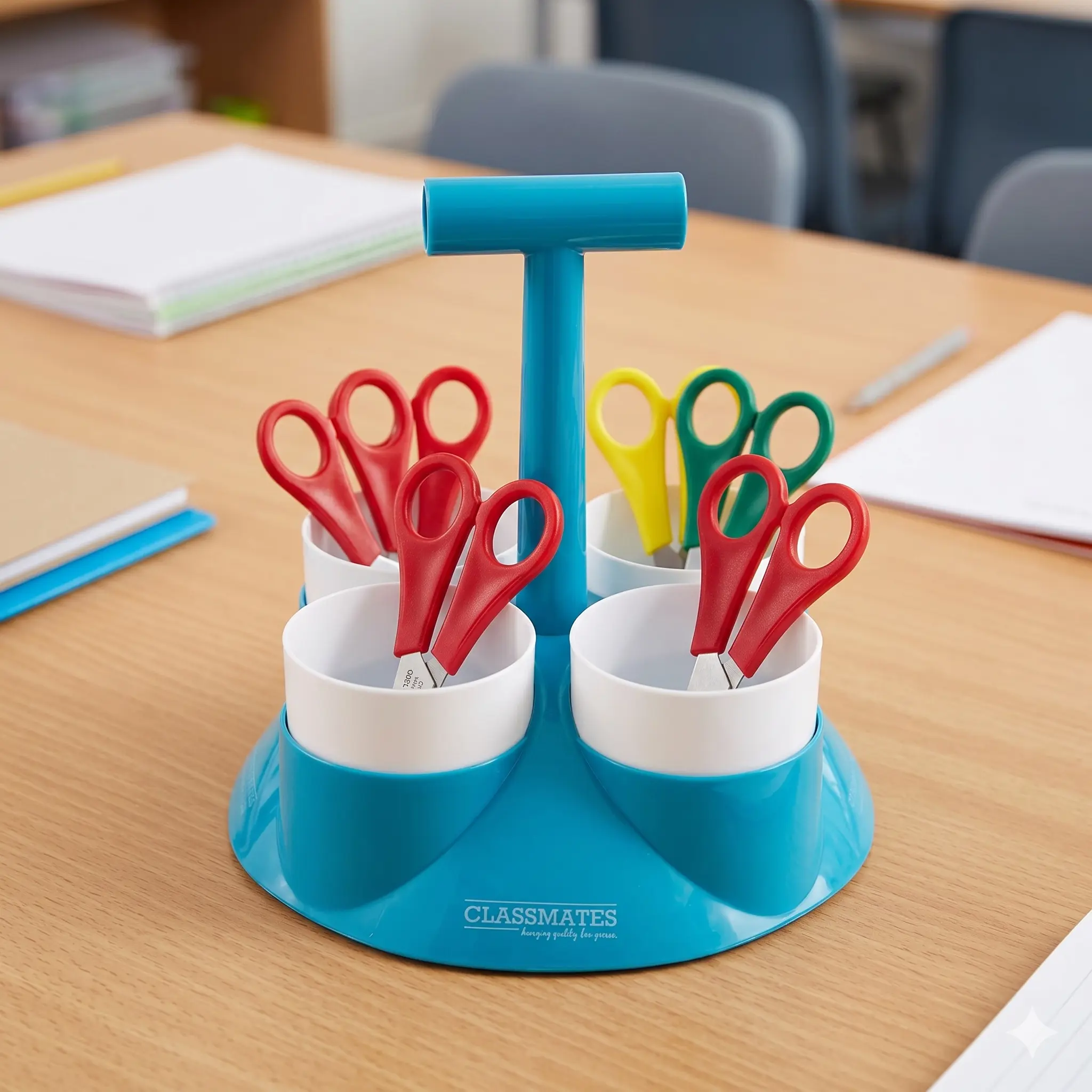
Scissors for Primary Schools: Safety Types, Quantities and Left-Handed Options
Scissors are an essential classroom resource that support fine motor development, independence and everyday learning activities across primary schools. The right scissors help pupils participate confidently while reducing frustration and classroom disruption.
Jack Clarke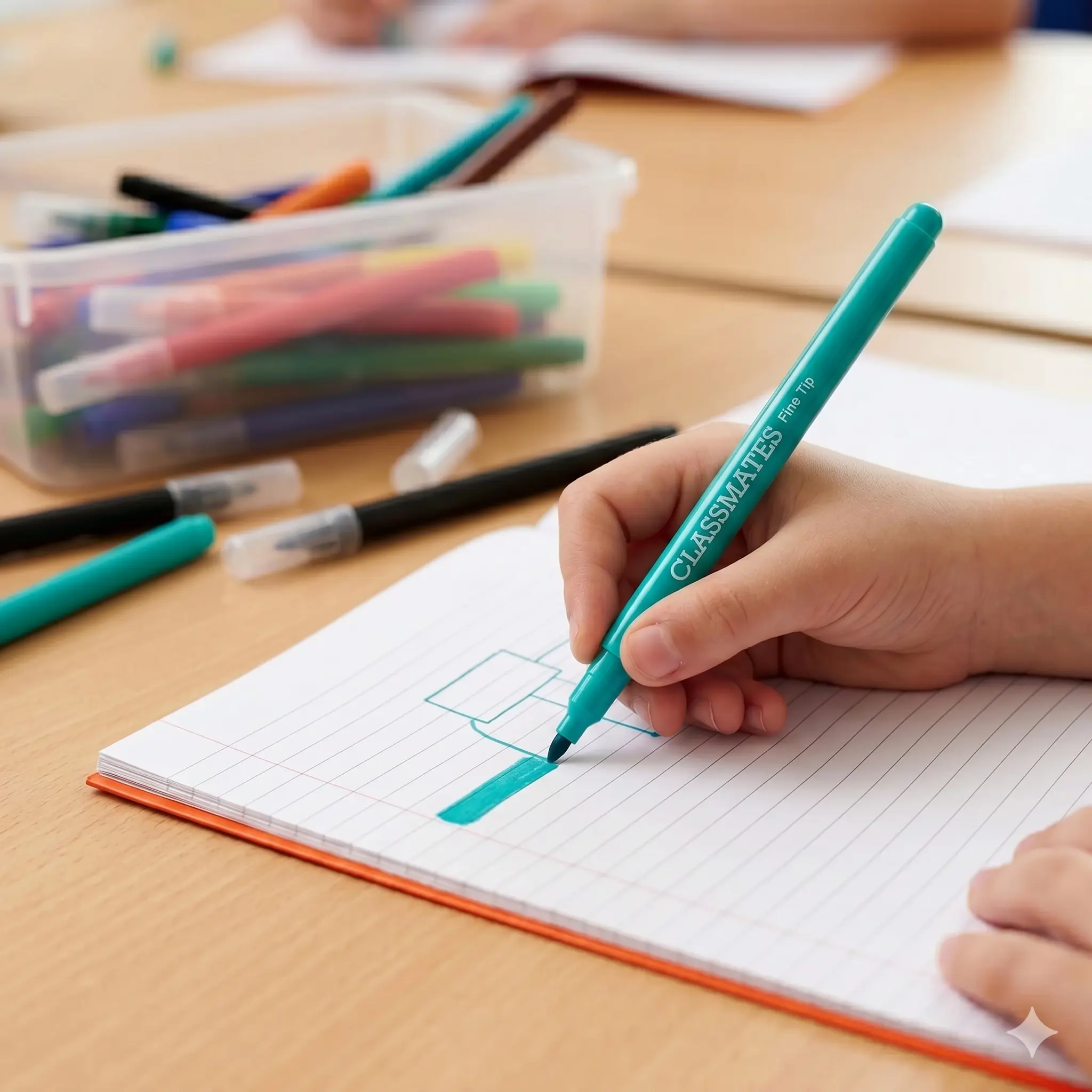
Classmates vs Berol, Pritt and Expo: an honest comparison for school buyers
Classroom supplies that run out, dry up or fail during lessons create unnecessary disruption and add hidden costs across a school. For School Business Managers, effective procurement is about choosing resources that deliver reliable performance, reduce workload and provide better long-term value.
Carla Bonner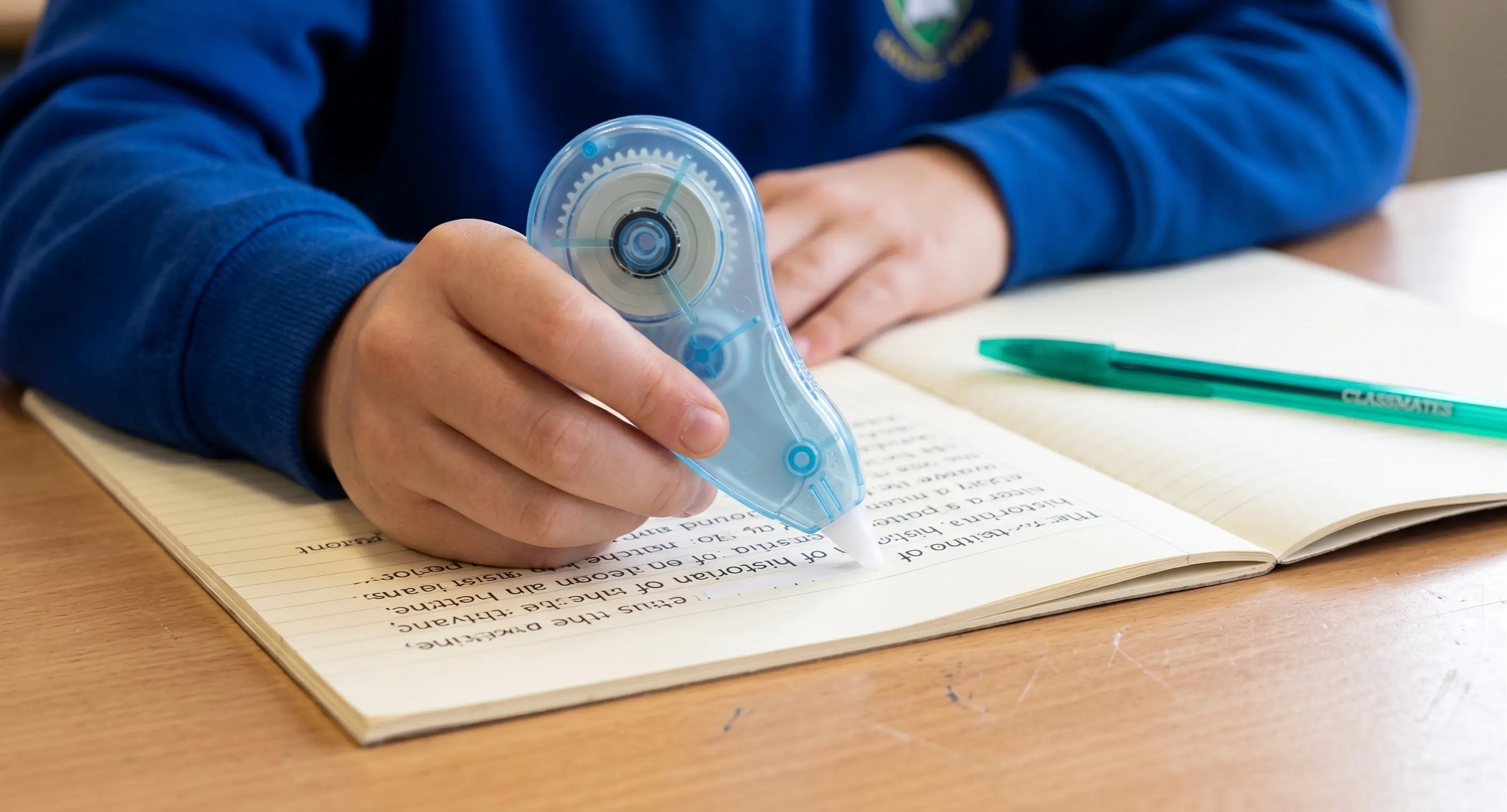
Correction fluid and tape for primary schools: what to buy and why
Correction tape is the preferred correction tool in many primary schools because it allows instant corrections, reduces classroom disruption and supports smoother learning.
Natalie McMunn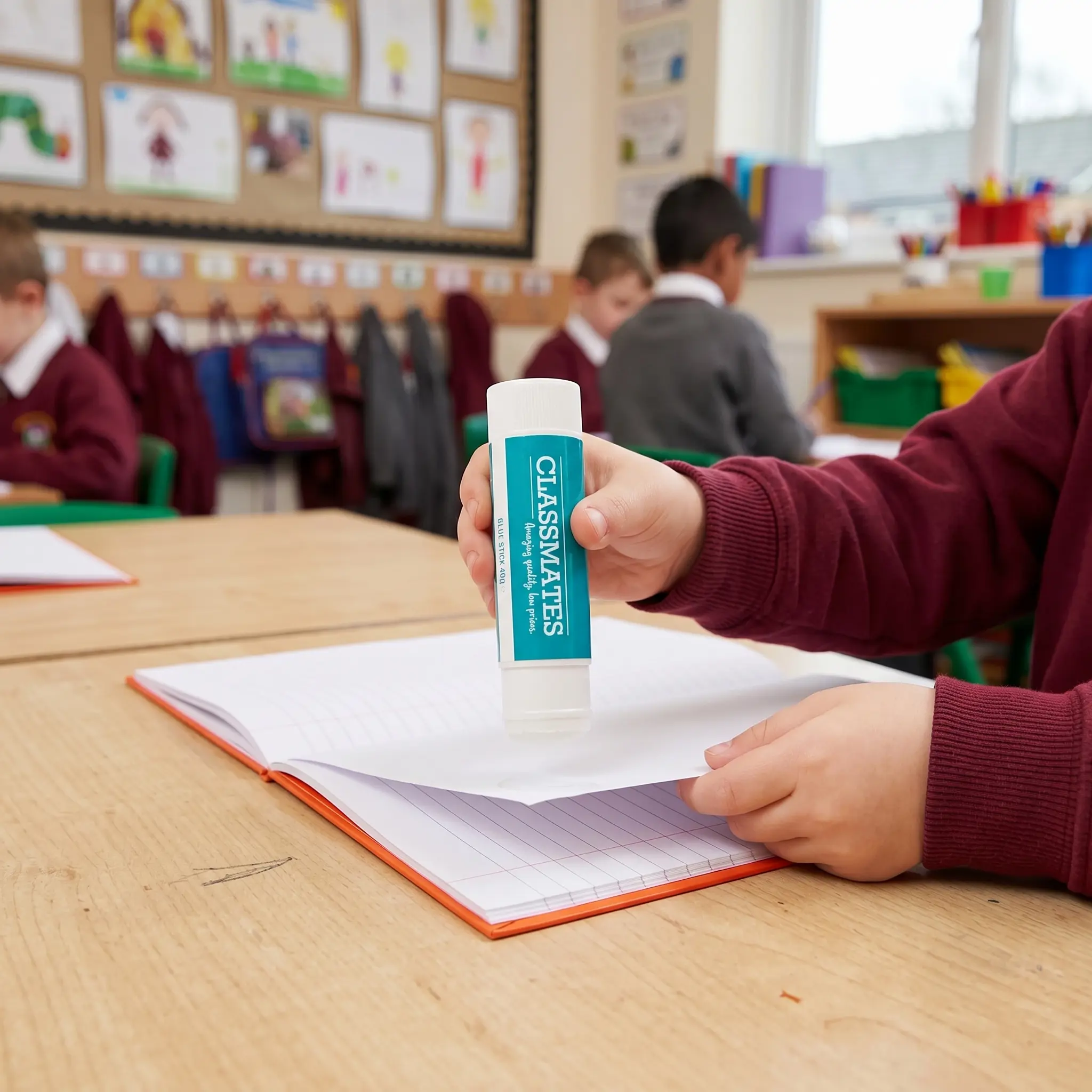
Glue Sticks For Schools: Size, Quantities And How To Stop Them Drying Out
Glue sticks are a classroom essential in primary schools, used daily across art, literacy and topic-based learning. Choosing the right products and quantities can help schools reduce waste, control costs and keep lessons running smoothly.
Carla Bonner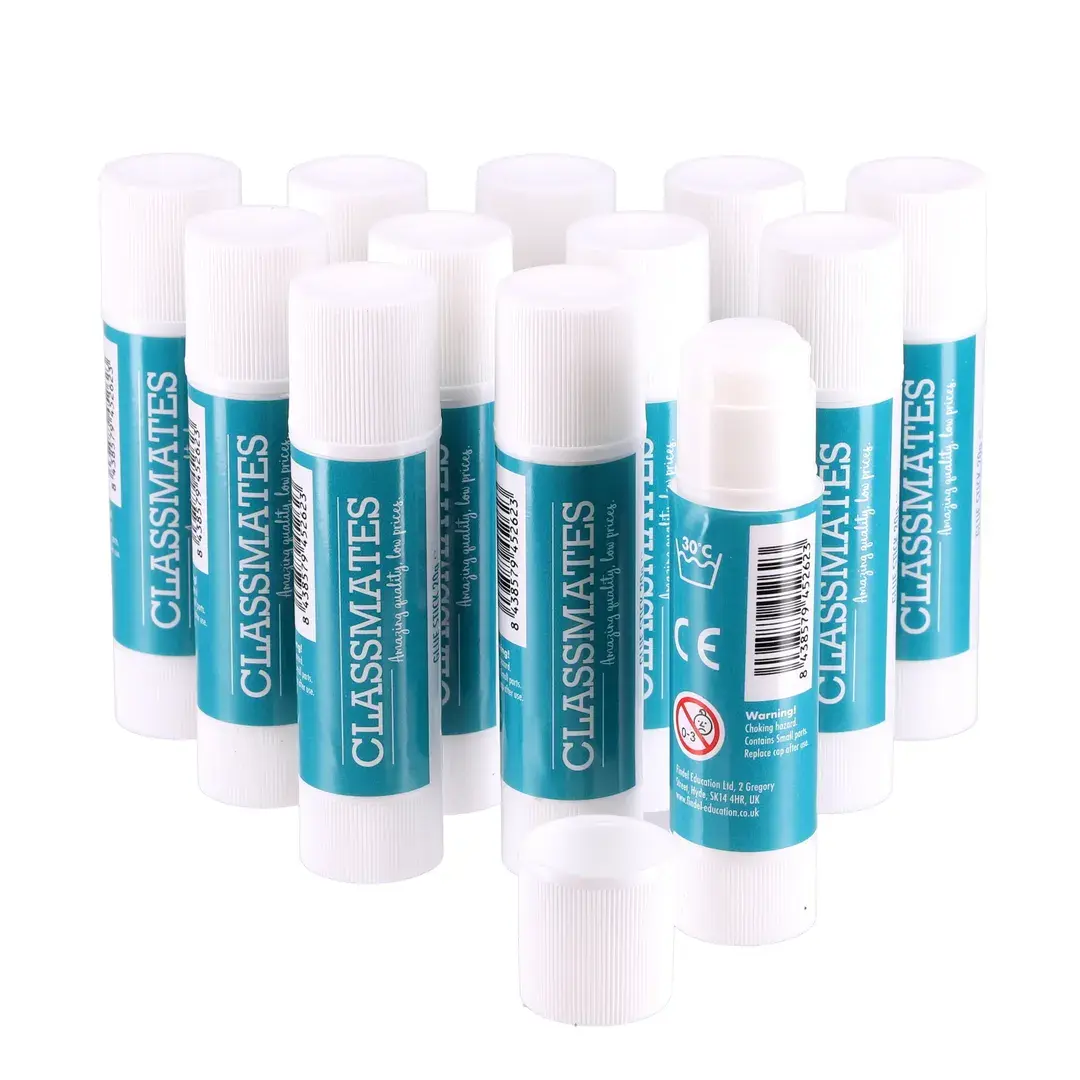
Why Do Many Schools Choose Classmates Glue Sticks for Everyday Classroom Use?
Durable glue sticks help schools reduce waste, minimise lesson disruption and make classroom resources last longer. In busy primary classrooms, glue sticks are used daily across subjects and year groups, making reliability, ease of use and value for money important considerations for teachers, teaching assistants and School Business Managers when selecting classroom supplies.
Carla Bonner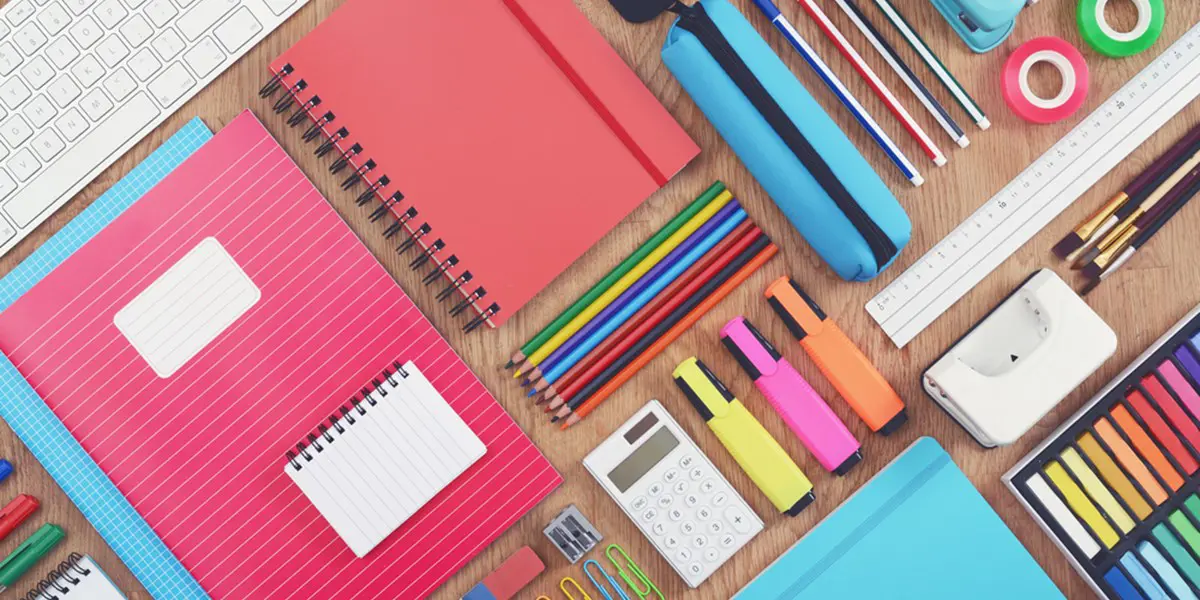
School essentials for the new school year
Ensure that you have all the school essentials ready for the busy back-to-school period with this essentials list.
Stationery Draw Products & Stationery History
Stationery drawers are full of items you use daily. Do you actually know how they all came about and the history of each item?
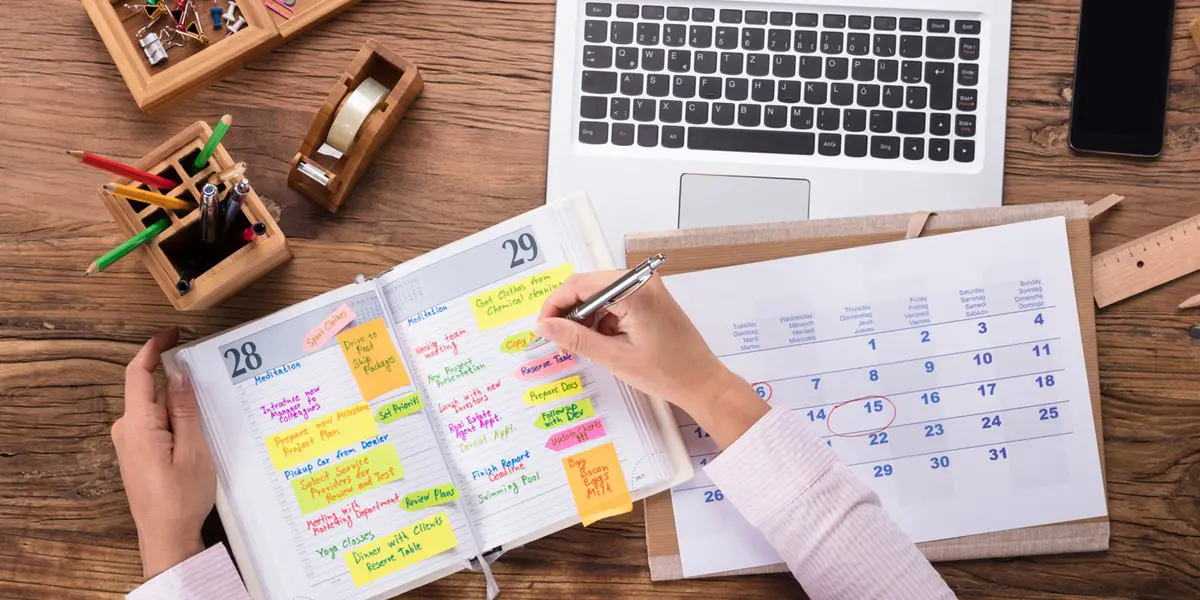
Digital Planners & Writing Pads
Putting pen to paper and using digital planners

10 things every teacher needs in their classroom
Here are the top 10 supplies teachers actually need in their classroom.
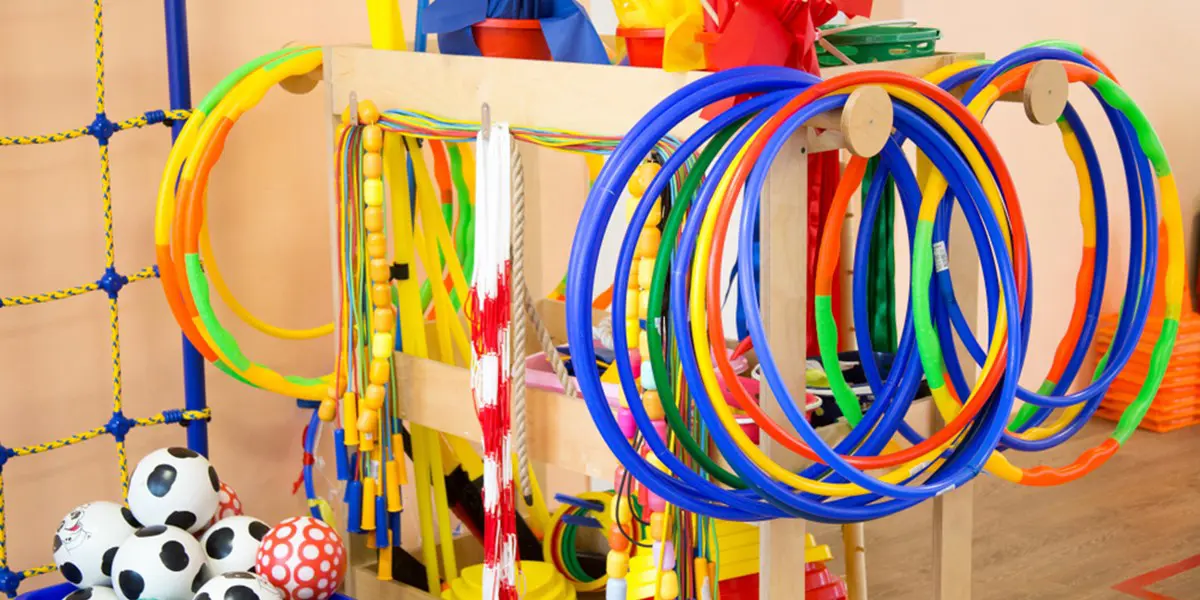
Essential PE & Sports Equipment For Schools
Encouraging children to participate in PE can already be difficult. Here at GLS, we have written our list of top PE essentials you need for your school.
Frequently Asked Questions
What stationery does a primary school classroom need?
Most classrooms require pencils, glue sticks, whiteboard pens, rulers, scissors, handwriting pens, folders and other everyday resources that support teaching, learning and organisation.
How many pencils does a primary school class need each year?
The exact number varies by class size and year group, but most primary classrooms use hundreds of pencils during an academic year.
How many glue sticks should schools order?
Glue stick requirements vary significantly depending on age group and curriculum activities. Schools should use historic ordering data and anticipated pupil numbers to forecast demand.
Why do whiteboard pens dry out so quickly?
Whiteboard pens typically dry out when caps are left off, pens are stored incorrectly or they are used heavily throughout the school day.
What are purple pens used for in schools?
Purple pens are commonly used for pupil responses to feedback, editing and self-improvement activities.
Is correction tape better than correction fluid?
For most primary schools, correction tape is easier to use, less disruptive and more practical than traditional correction fluid.
Which felt tip pens are best for classroom use?
The best felt tip pens balance colour quality, durability and value for money. Schools should consider replacement rates as well as purchase price.
What size ruler should primary school pupils use?
Younger pupils typically use 15cm rulers, while older Key Stage 2 pupils often benefit from 30cm rulers for measurement and geometry work.
When should schools order stationery for September?
For most schools, July is the most effective time to review stock, place orders and prepare classrooms for the new academic year.
How can schools reduce stationery spending?
Schools can reduce costs by ordering appropriate quantities, choosing durable products, reducing waste and planning purchases ahead of peak demand periods.
Stay connected with GLS
Follow GLS for practical classroom ideas, product inspiration, school procurement guidance and the latest education news.