
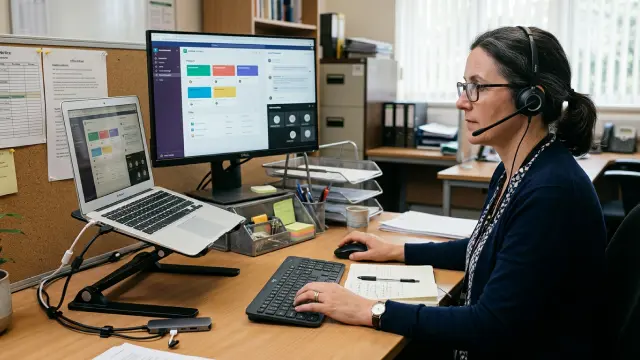
4 of the Best Tools for Remote and Flexible Working in Schools
Remote and flexible working can help school teams collaborate effectively when staff are not in the same place, but the right tools matter. Schools need platforms that are simple to use, secure, well managed and appropriate for their existing systems. Project management, communication, meetings and file sharing are the four areas where the right technology can make the biggest difference.
Natalie McMunn
How to Make Your Nursery Stand Out from the Rest
A nursery stands out when families can see consistent, high-quality care, purposeful learning, strong communication and a team that knows its children well. The best settings do not rely on gimmicks. They listen to parents, create engaging environments, support practitioners and keep improving their provision while meeting the Early Years Foundation Stage requirements.
Rachel Pangburn
Remembrance Day in Schools: Activities, Assemblies and Ideas
Remembrance Day gives schools an opportunity to help pupils understand why people across the UK pause to remember service and sacrifice. A thoughtful approach combines clear historical context, age-appropriate discussion, creative activities and a well-planned two-minute silence. Schools should keep activities respectful, inclusive and sensitive to pupils whose families may have personal experience of conflict or military service.
Natalie McMunn
How to Plan Halloween Activities for Your School
Planning Halloween in school works best when it is treated as a whole-school activity rather than a collection of separate classroom events. A clear plan helps schools manage budgets, staffing, safeguarding, allergies, inclusion and practical arrangements while still giving pupils opportunities to be creative, learn together and enjoy age-appropriate seasonal activities around the October half-term period.
Natalie McMunn
How to deal with 5 common questions from parents: practical tips for teachers
Parents and carers naturally want to understand how their child is learning, progressing and being supported at school. When questions become frequent or challenging, clear, respectful communication helps teachers respond confidently while keeping the conversation focused on the child. The best approach is to listen, explain decisions clearly, protect confidentiality and agree practical next steps together.
Jack Clarke
Healthy Eating in Schools: A Guide to Smart Snacking and Healthy Habits
Healthy eating in schools is about more than serving nutritious lunches. It means creating a whole-school culture where pupils have access to balanced food, fresh water, consistent guidance and practical opportunities to learn about nutrition. Clear policies, safe snack choices, positive role modelling and age-appropriate food education can help healthy habits become part of everyday school life.
Natalie McMunn
Back-to-School Checklist for School Business Managers
A back-to-school checklist helps School Business Managers move from the immediate September rush into a more organised, manageable routine for the term ahead. The most useful checklist covers both school operations and personal wellbeing: prioritising essential tasks, reviewing procedures, supporting staff, keeping resources organised and building realistic habits that help prevent workload from becoming overwhelming.
Natalie McMunn
How to Choose School Furniture: A Practical Guide for Schools
Choosing the right school furniture means balancing pupil comfort, safety, durability, space and budget. Schools should select furniture that is suitable for the people using it, fits the room and supports everyday teaching and learning. Checking dimensions, relevant standards, long-term value and practical requirements before ordering can help avoid costly mistakes and uncomfortable learning spaces.
Natalie McMunn
Reduce, reuse and recycle: 8 practical ways schools can recycle more
Schools can reduce waste by making recycling simple, auditing what they throw away, reusing materials before replacing them, separating food waste correctly and involving pupils and staff in everyday habits. A practical whole-school approach can cut unnecessary waste, support sustainability learning and help recycling become part of normal school routines rather than a one-off initiative.
Gary McCormick
Bridging the Digital Divide: AI and Inequality in Schools
Artificial intelligence has the potential to reduce workload, improve accessibility and support teaching and learning, but a new digital divide is emerging between schools that have the skills and strategy to use AI effectively and those that do not. This article explores how school leaders can adopt AI responsibly, support staff confidence and ensure technology strengthens educational outcomes without creating new inequalities.
Stephanie-Kate Fallon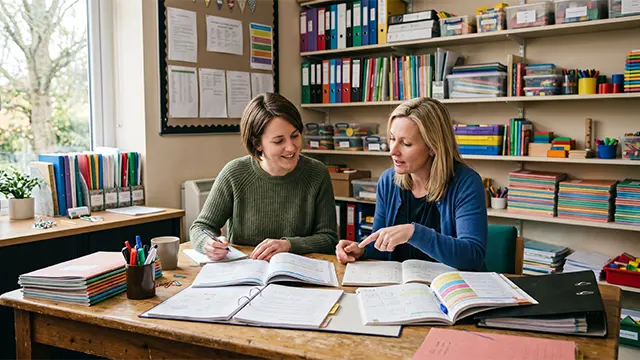
The New National Curriculum 2027: What Primary Schools Need to Start Planning Now
Although the revised national curriculum is not expected to be published until 2027, primary schools can begin preparing now by reviewing curriculum coherence, strengthening oracy provision, supporting inclusion and ensuring strong foundations in literacy and numeracy. Current recommendations suggest evolution rather than wholesale change, giving schools time to prepare thoughtfully rather than reactively.
David Reynolds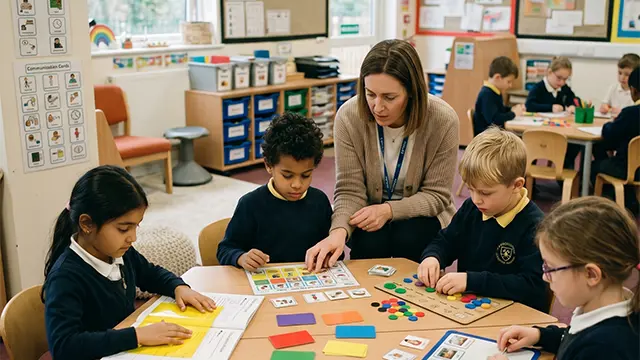
SEND reform 2026: implications for school resource planning
SEND reform is expected to place greater emphasis on inclusion, early intervention and consistent support across mainstream schools. This article explores how school leaders, SENCOs and SBMs can prepare by reviewing resources, learning environments, staffing and whole-school provision to ensure every pupil can access learning, participate fully and thrive.
Emma Davies