
Editor's pick
Teaching Tools and Learning Resources for Primary Schools
Teaching tools and learning resources help pupils develop knowledge, skills and understanding across the curriculum. From calculators, Numicon and mini whiteboards to globes, maps, reading resources and oracy tools, these resources support effective teaching and curriculum delivery. This hub brings together curriculum-linked guidance, practical buying advice and resource recommendations to help schools choose learning tools that support pupil progress, classroom engagement and educational outcomes.
Teaching Tools and Learning Resources Categories
What teaching tools and learning resources does a primary school need?
Effective classrooms rely on a wide range of teaching tools that help pupils understand concepts, practise skills and engage with learning. From mathematical manipulatives and geography resources to reading materials and classroom assessment tools, these resources support curriculum delivery across Key Stage 1 and Key Stage 2.
The most effective learning resources are those that directly support curriculum objectives while helping teachers assess understanding, encourage participation and adapt teaching to meet pupils' needs.
Featured articles
Ready to order? Browse the full teaching tools range with free next-day delivery on orders over £40.
Shop teaching tools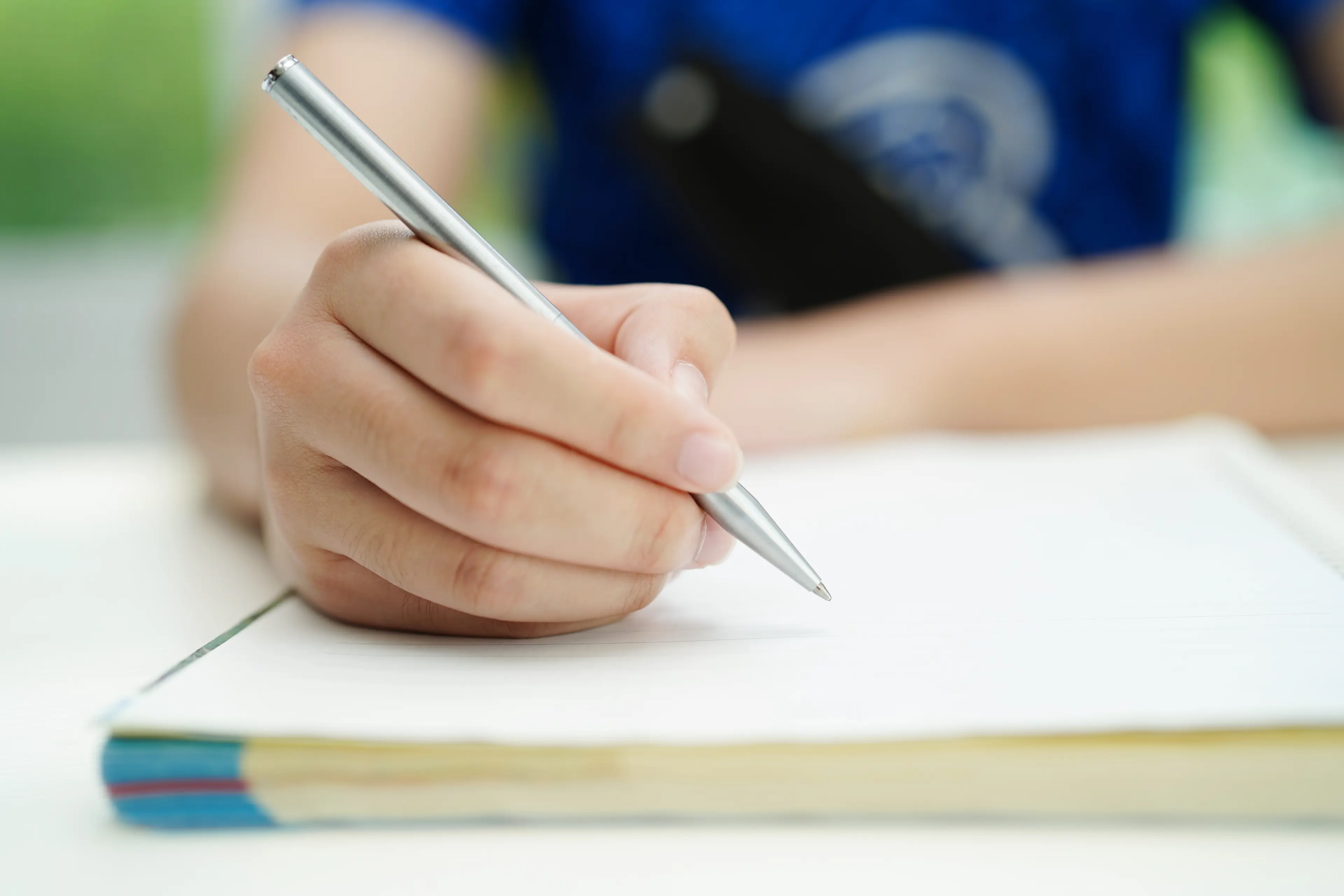
Handwriting Pens for Primary Schools: A Complete Buying Guide
The best handwriting pens for primary schools are those that support pupils' stage of handwriting development, align with whole-school expectations and provide a reliable writing experience across the curriculum. Most schools introduce handwriting pens once pupils demonstrate consistent letter formation, joins and presentation, with fibre-tip and rollerball pens often proving the most effective options for developing confident, fluent writers.
Natalie McMunn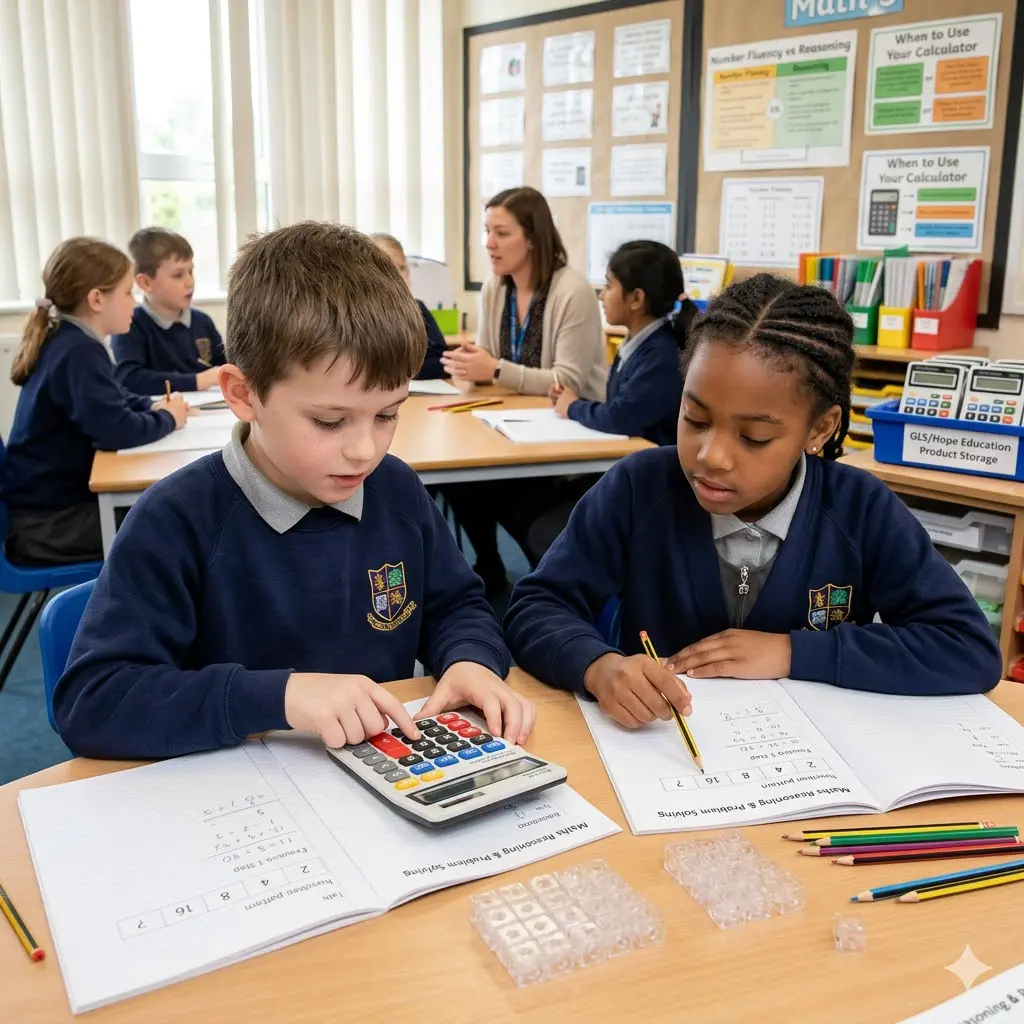
Calculators for Primary Schools: Which Type for Which Key Stage?
Primary schools do need calculators, but not for every lesson or every year group. The right calculator depends on pupils' age, mathematical understanding and curriculum requirements.
Natalie McMunn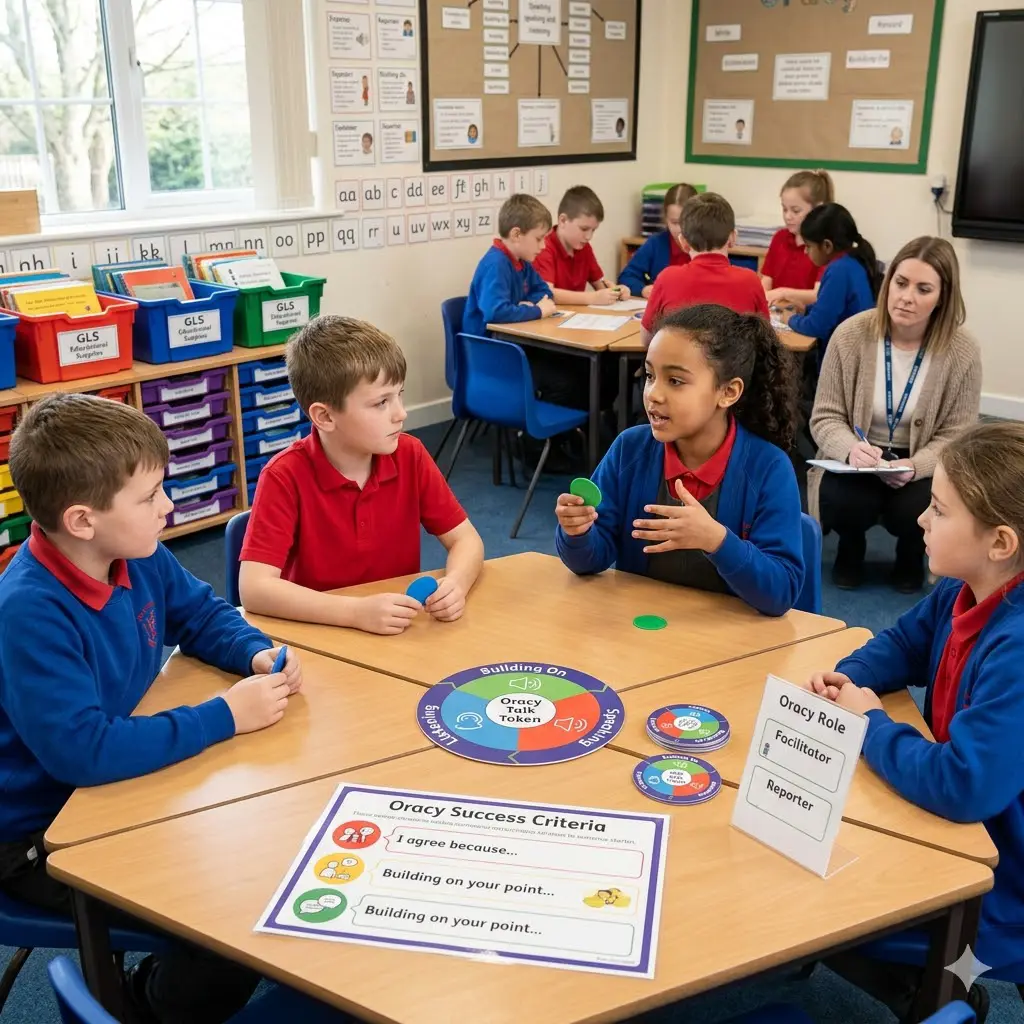
Oracy Resources for Primary Schools: The New National Curriculum Explained
Oracy is rapidly becoming one of the most important developments in primary education. Following the Department for Education's Curriculum and Assessment Review (November 2025), spoken language is increasingly being positioned alongside literacy and numeracy as a foundation for learning. For schools, the challenge is no longer whether oracy matters, but how to create classrooms, resources and routines that help every pupil become a confident communicator.
Carla Bonner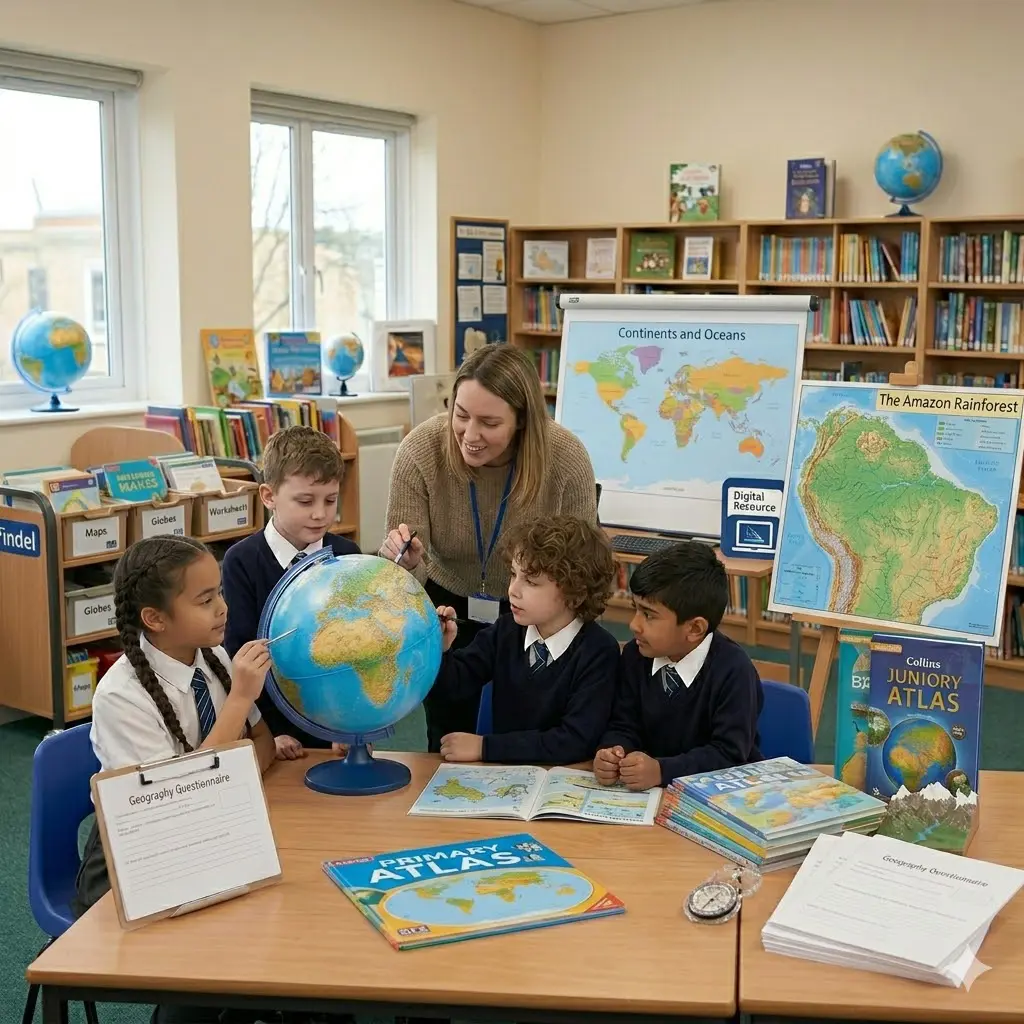
Globes and geography resources for primary schools: a buying guide
Maps, atlases and globes help primary pupils develop geographical knowledge, locational understanding and enquiry skills. The best geography resources not only support the National Curriculum but also encourage curiosity about the wider world and how places are connected.
David Reynolds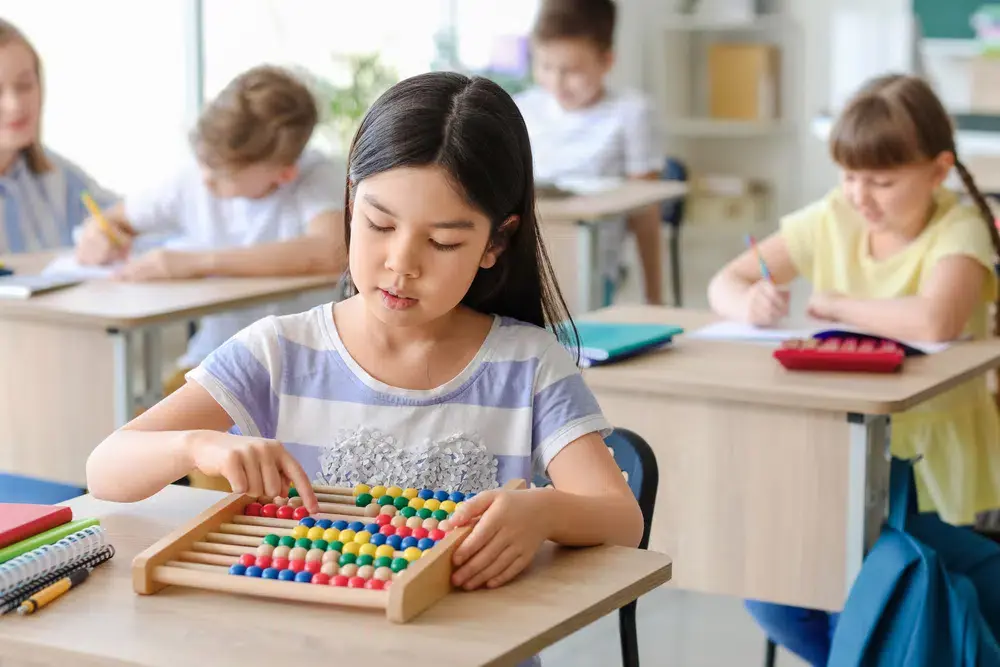
Teaching Fractions in KS2: Hands-On Ideas with a Fractions Stacker
Explore practical ways to teach fractions in KS2 using a Circular Fractions Stacker. Build understanding, confidence and maths talk through hands-on learning in Year 3/4.
Simon Hunt
Making Coding Feel Real with EaRL
Computing can sometimes be one of those subjects where children can say the right words without those words fully meaning something to them yet. They might say algorithm, sequence or debugging, but that does not always mean it has properly clicked.
Simon Hunt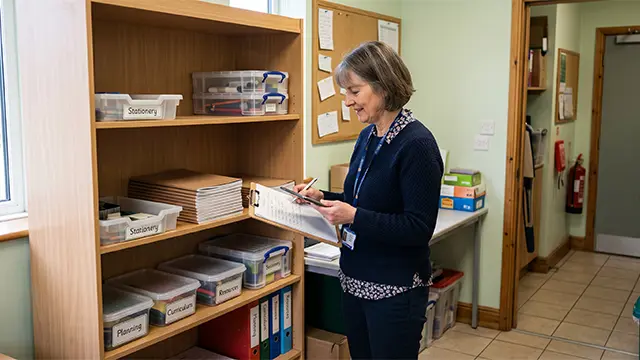
School budget pressures in 2026: what school leaders need to know
School budgets in 2026 are facing pressure from rising staffing costs, increasing SEND demand, falling pupil numbers in some areas and ongoing operational expenses. This article explores how school leaders and MAT finance teams can respond strategically by improving procurement, protecting educational priorities, reducing inefficiencies and making evidence-based decisions that maximise value without compromising outcomes for pupils.
Paul Clarke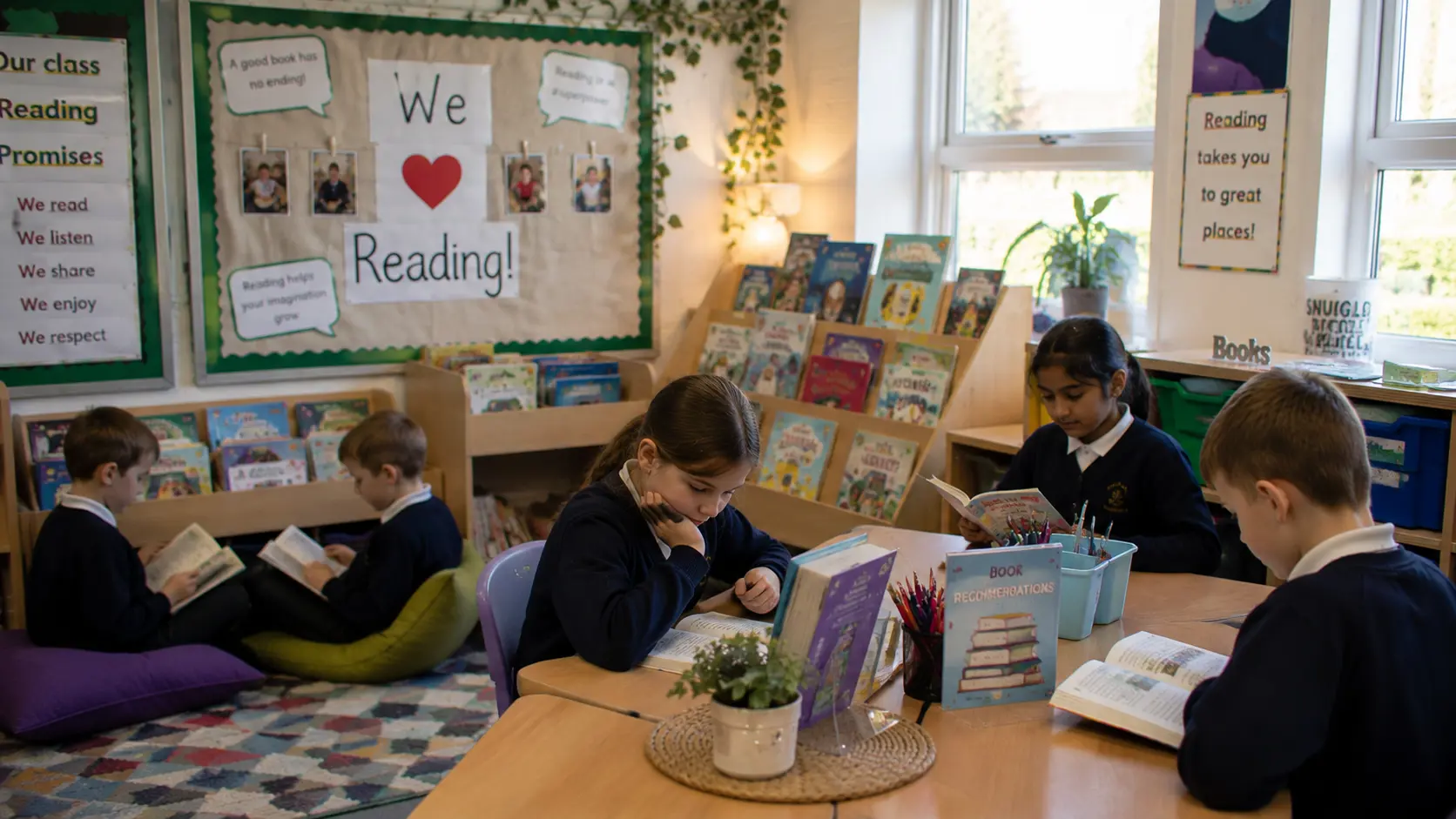
Reading for Pleasure in Primary Schools: Resources and the National Year of Reading 2026
Reading for pleasure is increasingly recognised as one of the most important contributors to children's literacy development, vocabulary growth and long-term educational success. The DfE's National Year of Reading 2026 places reading for pleasure at the centre of school improvement, encouraging schools to create environments where children choose to read, talk about books and develop positive lifelong reading habits. The right resources, spaces and opportunities can play a significant role in making this happen.
Rachel Pangburn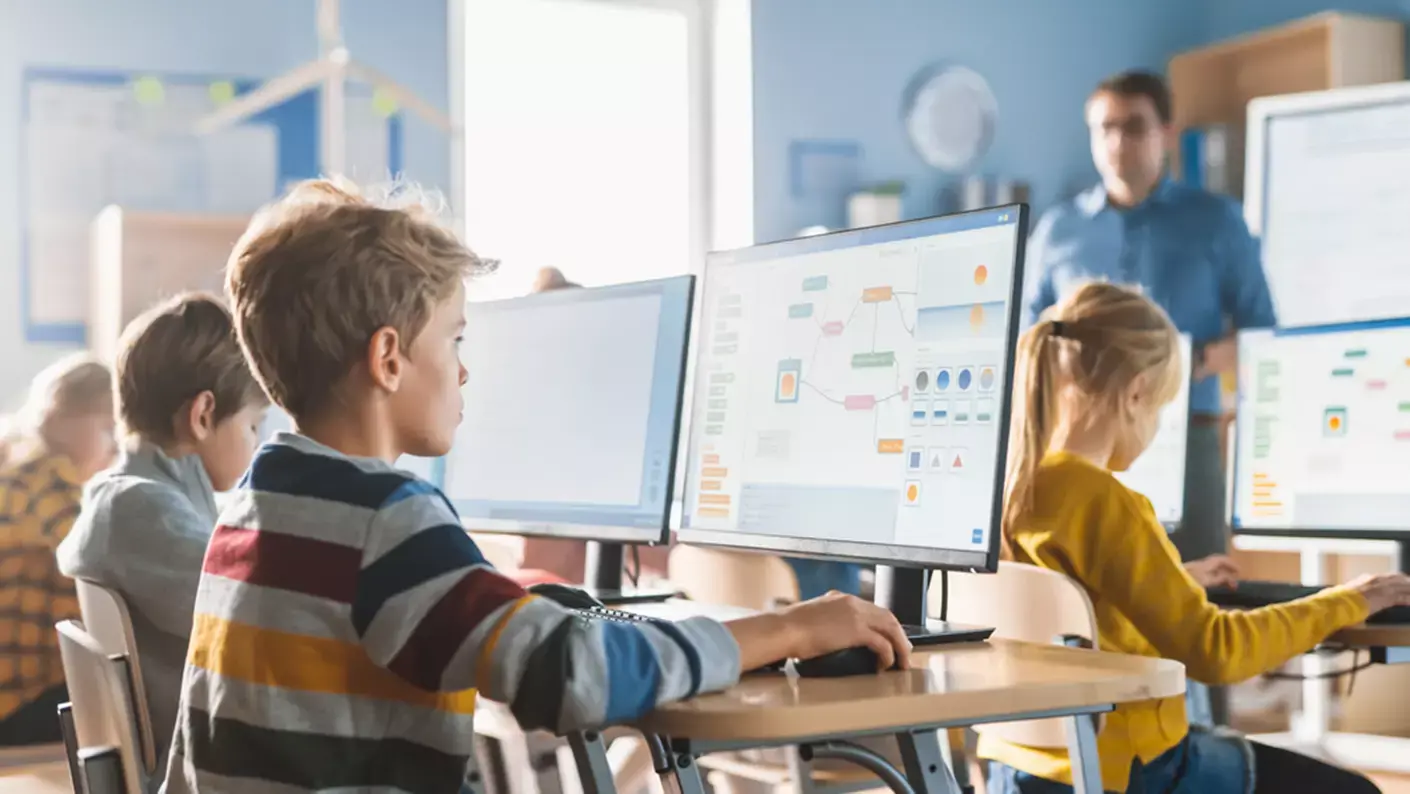
The importance of Coding in School
Over the last two decades, coding and programming have emerged as one of the most desirable skills for employers, discover the importance of coding in schools here...

National Year of Reading 2026 – Reigniting a Love for Books
National initiative reignites a love for books across schools. Findel helps teachers create inspiring reading environments.
Nigel Hunter
Revision tips for your school
Prepare staff and school resources for revision with these revision tips...
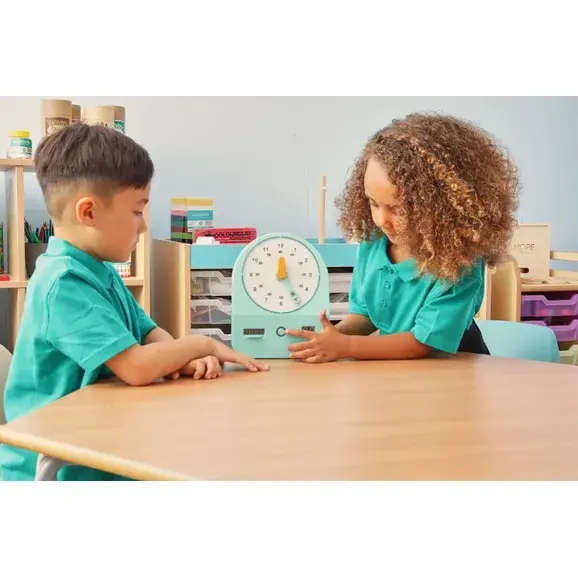
Teaching Clock & Early Years Teaching Clocks
Help children learn to tell the time using a clock from our clock and time teaching range.
Frequently Asked Questions
What teaching tools should every primary classroom have?
Most classrooms benefit from calculators, mini whiteboards, geography resources, maths manipulatives, reading materials and practical classroom tools that support everyday teaching.
Do primary schools need calculators?
Calculators have a role in primary mathematics, but the National Curriculum expects them to be introduced only near the end of Key Stage 2, once pupils are secure in written and mental arithmetic — not as a routine tool throughout Key Stage 2.
What is Numicon used for?
Numicon helps pupils develop number sense, calculation skills and mathematical understanding through visual and tactile learning.
Why do teachers use mini whiteboards?
Mini whiteboards provide immediate assessment opportunities and encourage participation from every pupil.
Are globes still useful in primary schools?
Yes. Globes remain an important resource for teaching locational knowledge and understanding the world.
What is oracy?
Oracy refers to the ability to communicate effectively through spoken language, discussion and presentation.
How can schools promote reading for pleasure?
Schools can encourage reading through engaging reading environments, access to books and positive reading experiences.
Which classroom tools do teachers use most often?
Timers, dice, counters, mini whiteboards and practical maths resources are among the most frequently used classroom tools.
Stay connected with GLS
Follow GLS for practical classroom ideas, product inspiration, school procurement guidance and the latest education news.