
Classroom Furniture for Primary Schools

Classroom furniture helps create learning environments that are safe, organised and suitable for pupils' needs. From tables, chairs and storage units to trays, lockers and classroom organisation solutions, the right furniture supports comfort, independence and effective learning. This hub brings together practical guidance, furniture sizing recommendations, classroom layout advice and procurement insights to help schools make informed furniture decisions that support both learning and day-to-day operations.
Classroom Furniture Categories
What furniture does a primary school classroom need?
Most primary classrooms require a combination of pupil seating, classroom tables, teacher furniture, storage solutions and organisational resources. While furniture is often viewed as a procurement decision, research suggests classroom design can influence learning outcomes. The University of Salford's Clever Classrooms study found that classroom design factors accounted for approximately 16% of the variation in pupils' learning progress.
Source: Barrett, P., Davies, F., Zhang, Y. and Barrett, L. (2015), The Impact of Classroom Design on Pupils' Learning, Building and Environment.
Ready to order? Browse the full classroom furniture range with free next-day delivery on orders over £40.
Shop classroom furniture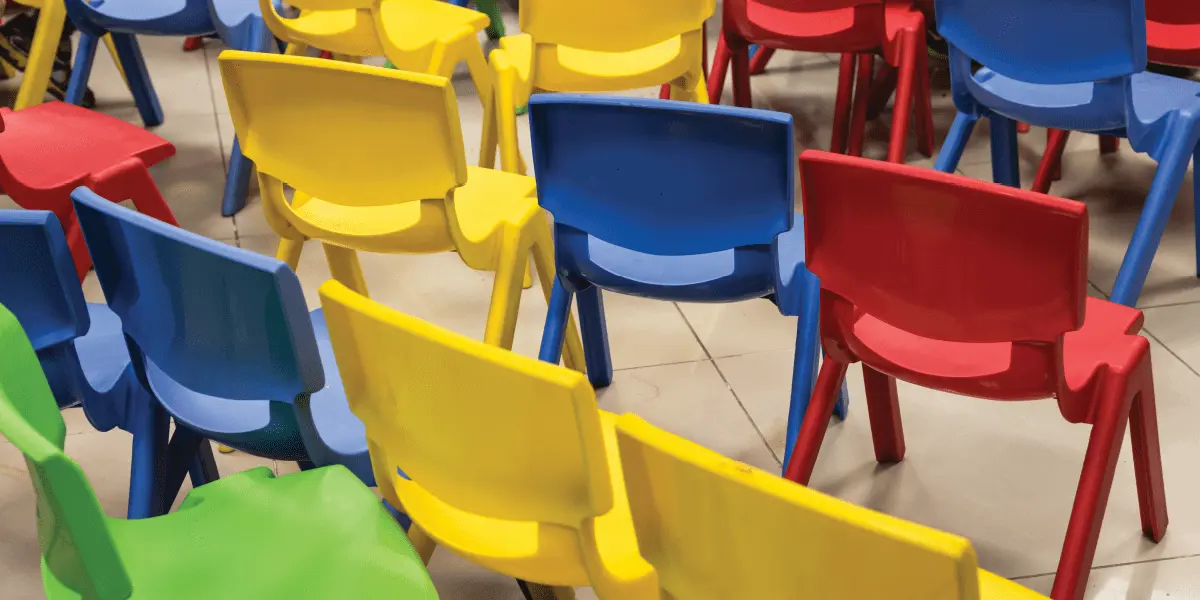
How to Choose School Furniture: A Practical Guide for Schools
Choosing the right school furniture means balancing pupil comfort, safety, durability, space and budget. Schools should select furniture that is suitable for the people using it, fits the room and supports everyday teaching and learning. Checking dimensions, relevant standards, long-term value and practical requirements before ordering can help avoid costly mistakes and uncomfortable learning spaces.
Natalie McMunn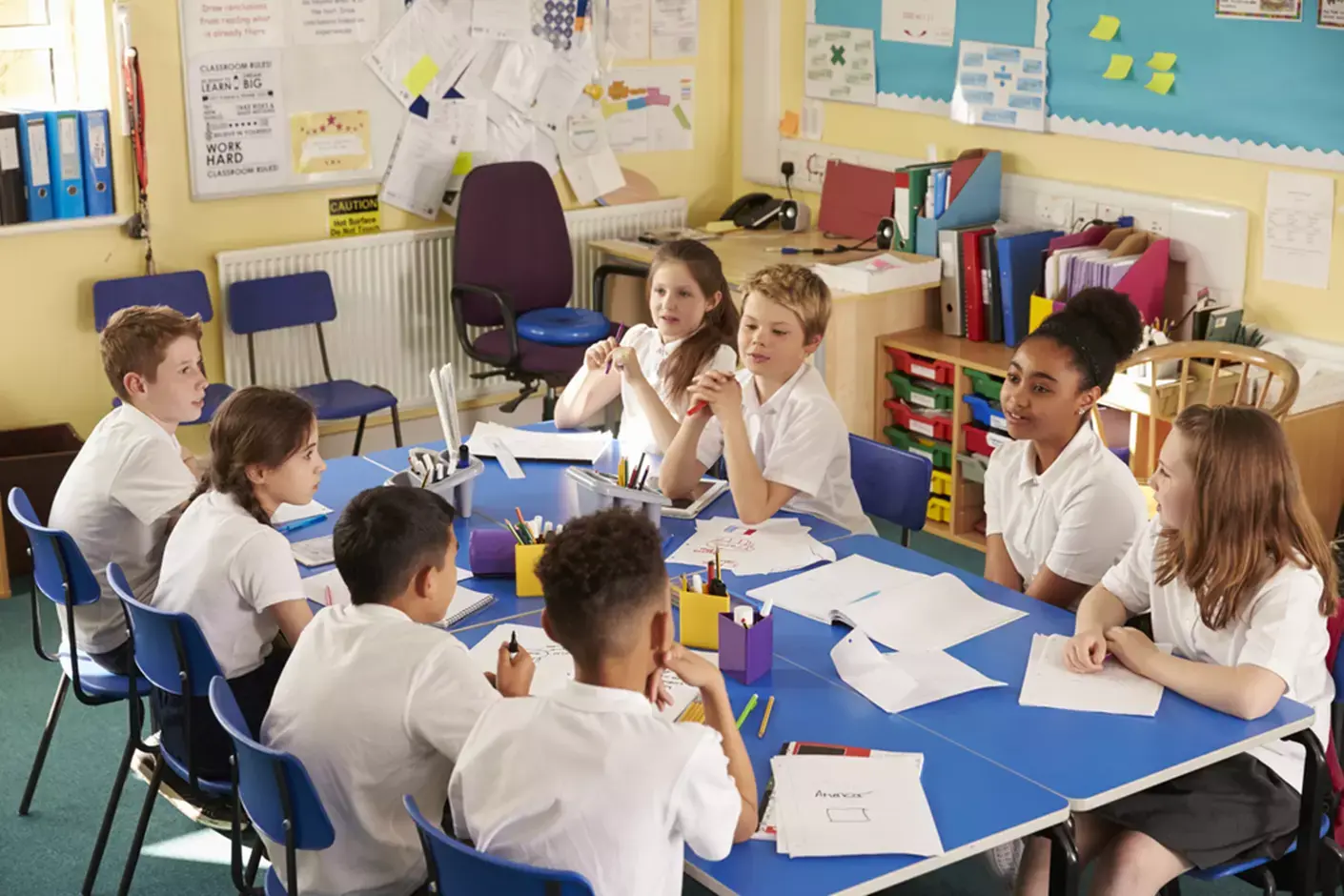
How to create an effective learning environment
Check out our list of ideas on how to create an effective learning environment that SBMs can implement and try out to aid students and encourage staff.
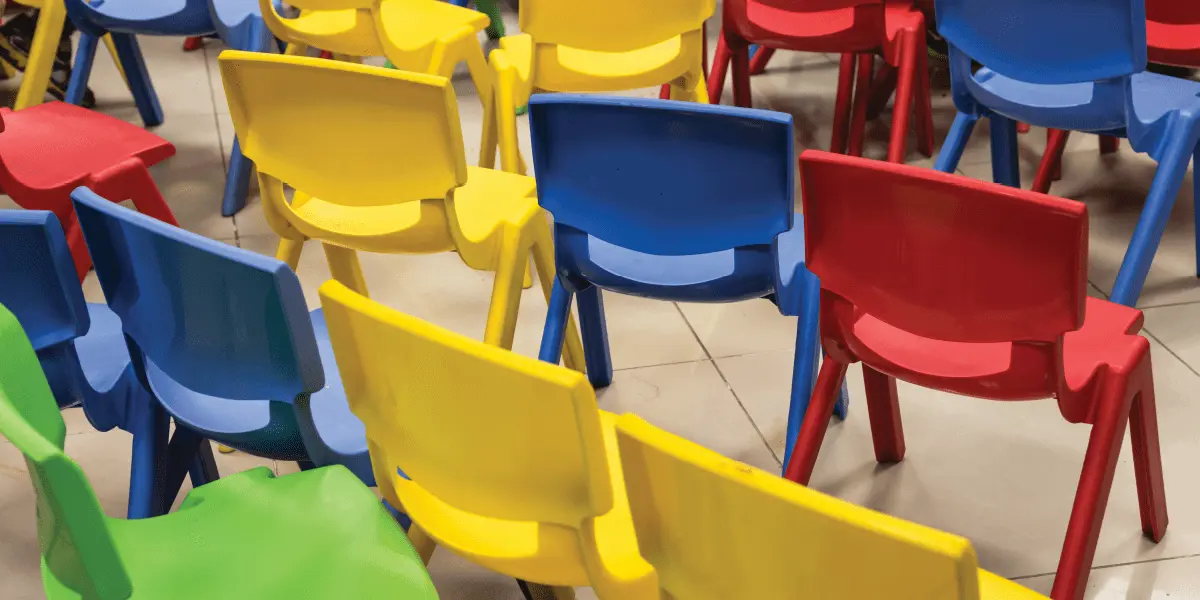
Quick Guide on how to Choose School Furniture
School furniture for student wellbeing and productivity, staff relaxation and comfort when dining for all.
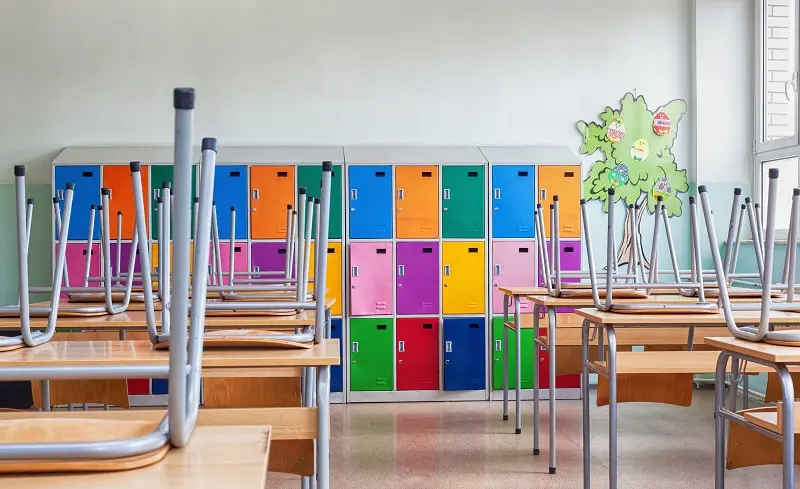
School Furniture Measurements & Desk Size Dimensions
A guide to school furniture dimensions to help get the right furniture for all school-age groups.
Frequently Asked Questions
What furniture does a primary school classroom need?
Most classrooms require tables, chairs, storage units, teacher furniture and organisational resources that support learning and classroom management.
How do schools choose the correct chair size?
The recognised approach is to match furniture to pupil height using BS EN 1729 standards rather than relying solely on age.
Why is classroom layout important?
Classroom layout affects visibility, accessibility, collaboration and classroom organisation, all of which can influence learning experiences.
What is BS EN 1729?
BS EN 1729 is the recognised British and European standard for educational furniture sizing.
Are Gratnells trays suitable for all classrooms?
Yes. Gratnells trays are widely used across primary schools because they provide flexible storage for a wide range of curriculum resources.
Do primary schools need lockers?
Many schools use lockers or cloakroom storage to manage personal belongings, reduce clutter and support organisation.
What are tuff trays used for?
Tuff trays support sensory play, investigations, small world activities and practical learning experiences across multiple curriculum areas.
How often should classroom furniture be reviewed?
Schools should review furniture regularly to ensure it remains appropriate for pupil needs, classroom organisation and curriculum delivery.
Stay connected with GLS
Follow GLS for practical classroom ideas, product inspiration, school procurement guidance and the latest education news.