
Reading for Pleasure in Primary Schools: Resources and the National Year of Reading 2026
Quick Answer
Reading for pleasure is increasingly recognised as one of the most important contributors to children's literacy development, vocabulary growth and long-term educational success. The DfE's National Year of Reading 2026 places reading for pleasure at the centre of school improvement, encouraging schools to create environments where children choose to read, talk about books and develop positive lifelong reading habits.
In this article
- Why is reading for pleasure such a national priority in 2026?
- What does the National Year of Reading 2026 mean for primary schools?
- What resources support reading for pleasure in primary schools?
- How can schools create reading spaces that children want to use?
- How can teachers encourage reading for pleasure every day?
- Why do classroom book displays matter?
- What role do libraries play in reading for pleasure?
- How can schools engage reluctant readers?
- How can schools make reading visible beyond the classroom?
- Why does reading for pleasure matter beyond literacy?
Why is reading for pleasure such a national priority in 2026?
Reading for pleasure has always been a core part of primary education.
What has changed is the growing recognition that learning to read and choosing to read are not the same thing.
The DfE's National Year of Reading 2026 aims to encourage more children to read regularly both inside and outside school. The initiative reflects concerns around declining reading enjoyment and seeks to build stronger reading cultures across schools, families and communities.
The National Literacy Trust has consistently highlighted the relationship between reading enjoyment and educational outcomes. Children who enjoy reading are more likely to read frequently, develop stronger vocabulary and engage more confidently across the wider curriculum.
Across the schools supported by GLS, one pattern emerges repeatedly: the strongest readers are not always the children who can decode most fluently. They are often the children who choose to read when given the opportunity.
That distinction matters.
Schools cannot simply teach reading.
They must also help children want to read.
What does the National Year of Reading 2026 mean for primary schools?
For many schools, the National Year of Reading 2026 is not about introducing entirely new initiatives.
It is about strengthening existing practice.
The campaign encourages schools to think about reading beyond English lessons and guided reading sessions.
Questions many schools are now asking include:
- How visible is reading across the school?
- Do children see adults reading?
- Are books accessible throughout the day?
- Do pupils have opportunities to discuss what they read?
- Does the environment encourage independent reading?
One observation GLS regularly sees is that schools often invest heavily in reading intervention resources but sometimes underestimate the impact of creating a culture where books are genuinely valued and celebrated.
The National Year of Reading encourages schools to address both.
What resources support reading for pleasure in primary schools?
A common misconception is that reading for pleasure is simply about buying more books.
Books are essential.
However, reading culture is often built through a wider collection of resources and experiences.
Across the schools supported by GLS, successful reading environments often include:
- Diverse and engaging book collections
- Book displays
- Reading corners
- Soft seating
- Book recommendation boards
- Storytelling resources
- Reading resources
- Author study materials
- Book-themed classroom environment displays
The most effective resources help make books visible, accessible and appealing.
Children are far more likely to pick up a book when it is presented as part of an inviting environment rather than stored away on inaccessible shelves.
How can schools create reading spaces that children want to use?
The physical environment matters more than many schools realise.
The Reading Agency has long championed the importance of creating positive reading experiences, and school environments play a significant role in shaping those experiences.
Across many schools, the most successful reading spaces share common features.
They feel welcoming.
They feel calm.
They feel different from the rest of the classroom.
This does not necessarily require expensive refurbishment.
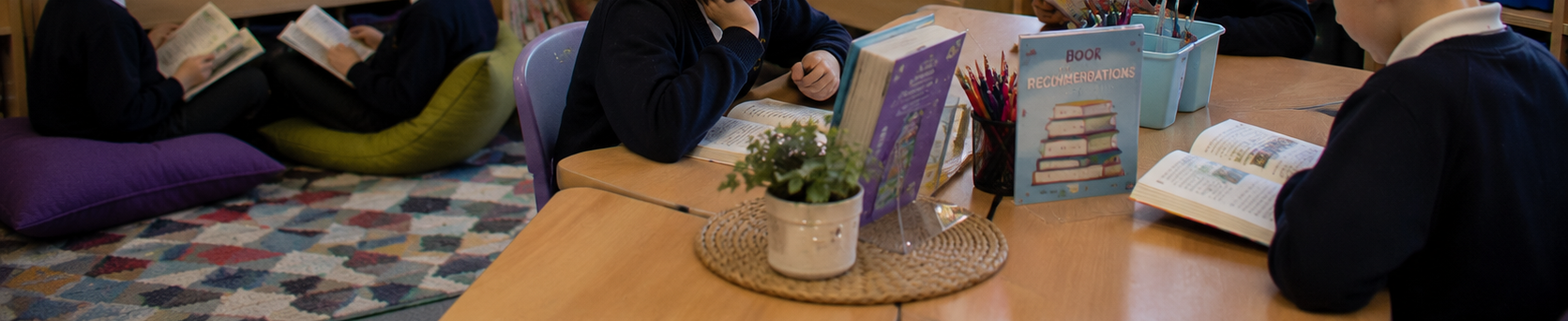
Some of the most effective reading corners GLS encounters use simple resources thoughtfully:
- Front-facing book displays
- Cushions and seating
- Reading prompts
- Author displays
- Seasonal book collections
- Pupil recommendations
The goal is not to create a showroom.
The goal is to create a space where children genuinely choose to spend time.
How can teachers encourage reading for pleasure every day?
One of the strongest predictors of reading engagement is regular exposure to books.
Children who see reading valued by adults are more likely to value it themselves.
Simple strategies can have significant impact:
- Daily class reading
- Teacher book recommendations
- Book talk sessions
- Reading assemblies
- Author studies
- Peer recommendations
- Library visits
Across the schools supported by GLS, reading for pleasure is often most successful when it becomes part of everyday school life rather than an occasional event.
The strongest reading cultures are usually built through consistency rather than large-scale initiatives.
Small actions repeated regularly often have the greatest long-term effect.
Why do classroom book displays matter?
Book displays are sometimes viewed as decorative.
In reality, they can influence reading behaviour significantly.
Children are naturally drawn to books they can see.
One challenge schools frequently face is that excellent books become invisible when stored spine-out on crowded shelves.
Front-facing displays help solve this problem.
Many schools supported by GLS report increased engagement when books are displayed in ways that encourage browsing and discovery.
This mirrors the approach used by bookshops and school libraries.
Visibility drives curiosity.
Curiosity drives reading.
What role do libraries play in reading for pleasure?
School libraries remain one of the most powerful resources available to support reading culture.
However, the most successful libraries are not simply book storage spaces for books.
They are active learning environments.
The National Literacy Trust highlights the importance of access to books, and libraries help provide that access.
Across primary schools, effective libraries often serve as:
- Reading hubs
- Research spaces
- Storytelling areas
- Book recommendation centres
- Community spaces
One trend GLS increasingly sees is schools creating smaller satellite reading spaces alongside central libraries.
This ensures books remain accessible throughout the school day rather than only during designated library sessions.
How can schools engage reluctant readers?
This is often the question that sits at the heart of reading for pleasure.
Reluctant readers rarely become enthusiastic readers because they are told reading is important.
They become enthusiastic readers when they discover books that matter to them.
Successful schools often focus on:
- Choice
- Representation
- Accessibility
- Discussion
- Positive reading experiences
Across the wider Findel family, there is growing recognition that resource selection should reflect the interests, experiences and backgrounds of the children using them.
When pupils see themselves reflected in books, pupil engagement often increases dramatically.
The challenge is not simply getting books into schools.
It is helping every child find the right book.
How can schools make reading visible beyond the classroom?
One characteristic shared by many strong reading schools is visibility.
Reading is celebrated throughout the environment.
This might include:
- Corridor book displays
- Reading challenges
- Author focus areas
- Book recommendation walls
- Reading celebrations
- Family reading initiatives
It develops when reading becomes visible throughout the entire school.
Children notice what schools prioritise.
When books are visible everywhere, reading becomes part of the school's identity.
Why does reading for pleasure matter beyond literacy?
Reading for pleasure supports literacy development.
Its impact extends much further.
The National Literacy Trust has linked reading enjoyment to wider educational outcomes, wellbeing and confidence.
Children who read regularly often develop:
- Stronger vocabulary
- Greater empathy
- Improved communication skills
- Broader knowledge
- Increased confidence
This is one reason the National Year of Reading 2026 has attracted such attention.
Reading for pleasure is not simply a literacy initiative.
It is a whole-child initiative.
The schools that succeed in building reading cultures understand this.
They recognise that creating readers is about more than teaching a skill.
It is about creating a lifelong relationship with books.
Frequently Asked Questions
Author
Rachel Pangburn
Senior Marketing Manager