Practical Tools for Busy School Business Managers
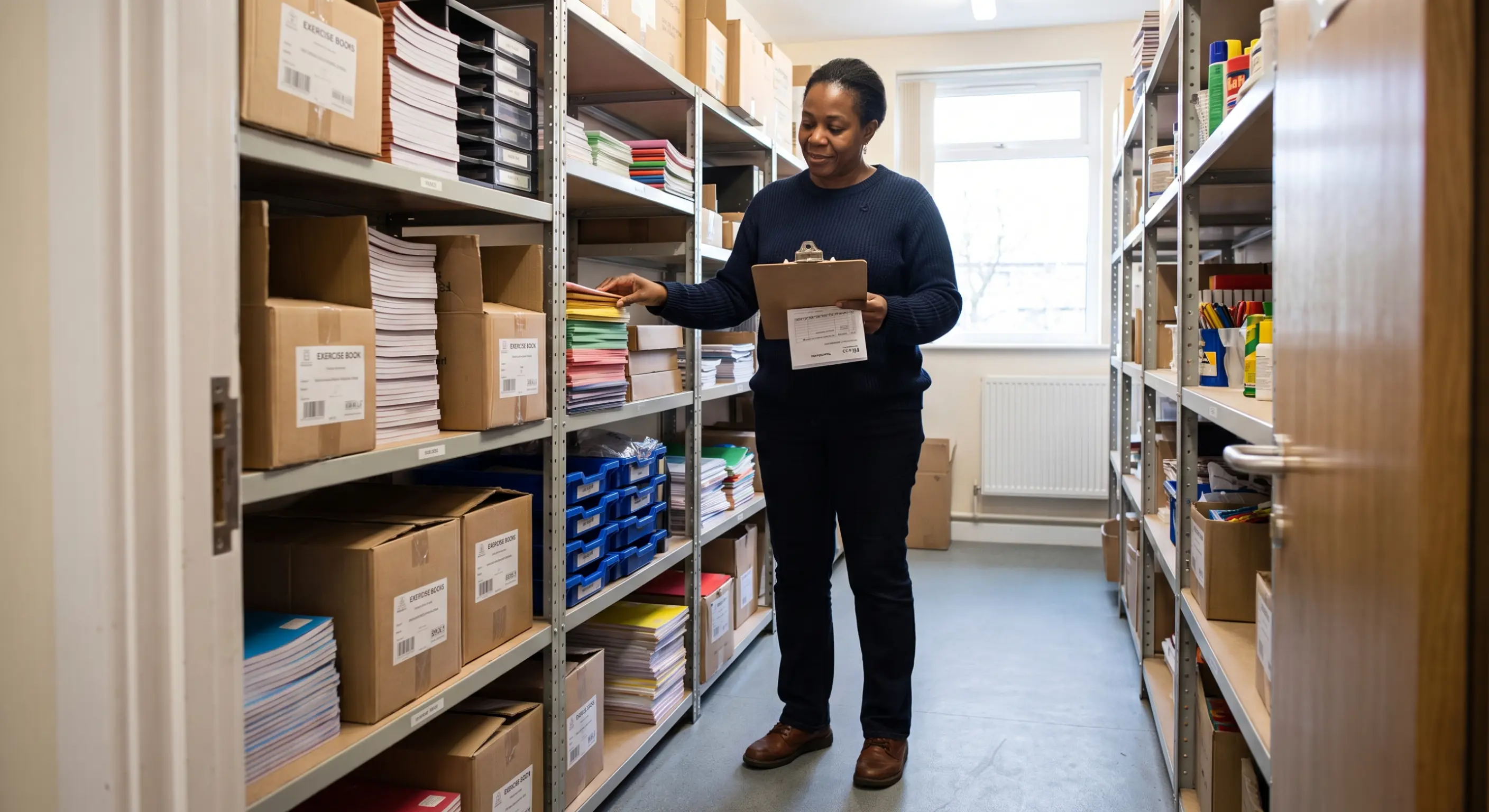
School Business Managers are under increasing pressure to balance procurement, budgets, compliance and operational responsibilities. This guide explores practical ways to reduce administration, streamline purchasing processes and create more time for strategic leadership through smarter systems and digital procurement tools.
Natalie McMunn
School framework agreements: what they are and how schools use them
Framework agreements help schools purchase goods and services through pre-approved procurement routes, reducing administrative burden while supporting compliance and value for money. For school business managers, frameworks can provide confidence that purchasing decisions follow recognised procurement processes without requiring every procurement exercise to start from scratch.
Natalie McMunn
What Writing Resources Does Every School Need to Support Successful Writing?
Every school needs a combination of reliable classroom essentials (like pens, pencils, and exercise books) and targeted literacy resources (such as writing prompts, writing frames, and educational literacy games). Blending these tools helps structure pupils' thoughts, reduce cognitive load, and systematically build confidence and independence across all subject areas.
Jack Clarke
School procurement checklist for SBMs: what to review every term
School procurement works best when it is reviewed regularly, not only when budgets are under pressure or supplies run out. For school business managers, a termly procurement checklist helps control spend, reduce waste, evidence value for money and ensure classrooms, offices and support teams have what they need before small issues become bigger problems.
Natalie McMunn
School procurement calendar: what to order each term
The most successful schools rarely leave procurement to chance. By aligning purchasing decisions with the rhythm of the academic year, school business managers can reduce emergency orders, improve budget control, support curriculum delivery and ensure staff have the resources they need before pressures arise. A structured procurement calendar transforms purchasing from a reactive task into a strategic advantage.
Carla Bonner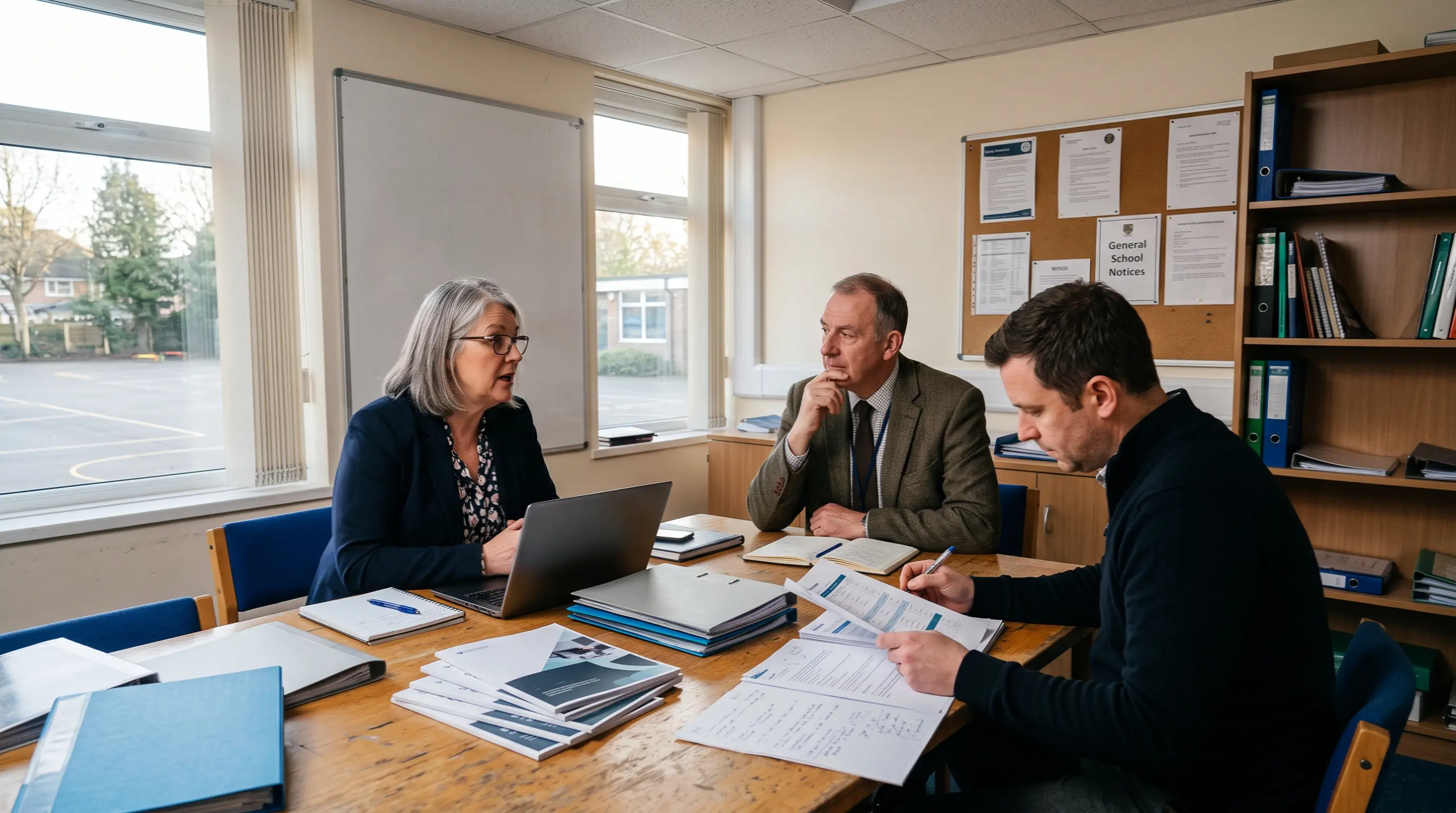
How to choose a school supplies partner: what to look for beyond price
The best school supplies partner is not always the cheapest supplier. For school business managers, long-term value comes from reliability, service, product quality, ordering efficiency and educational expertise. A lower price on paper can quickly become more expensive if it creates additional workload, delivery issues or classroom disruption.
Carla Bonner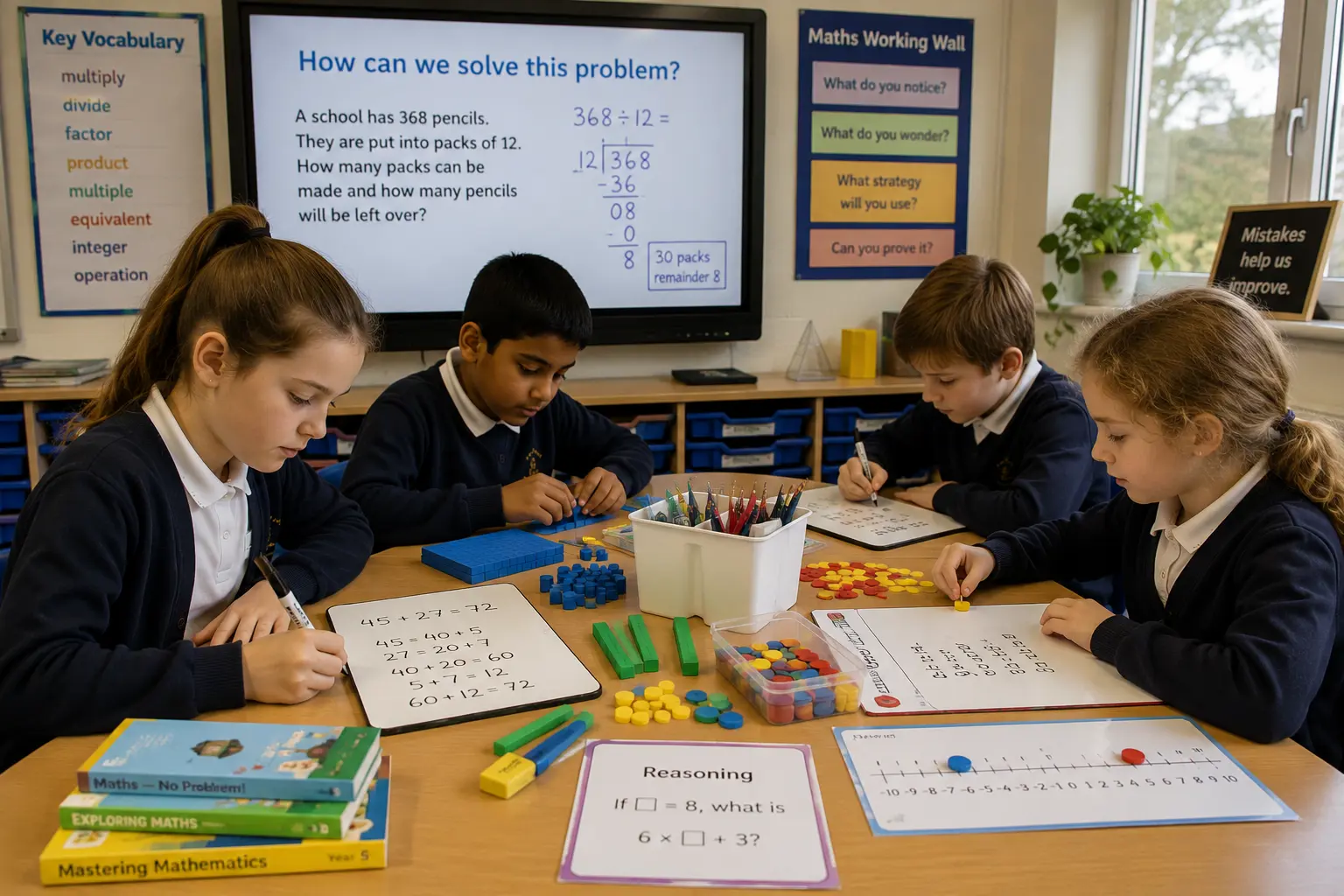
KS2 Maths Resources: What Teachers and Schools Actually Need
Effective KS2 maths teaching depends on more than worksheets and textbooks. The DfE Key Stage 2 Mathematics National Curriculum requires pupils to develop fluency, reasoning and problem-solving skills across number, geometry, measurement and statistics. The most effective resources help pupils visualise mathematical concepts, explain their thinking and apply learning in different contexts. Choosing the right mix of practical, visual and classroom resources can significantly strengthen mathematical understanding and confidence.
Natalie McMunn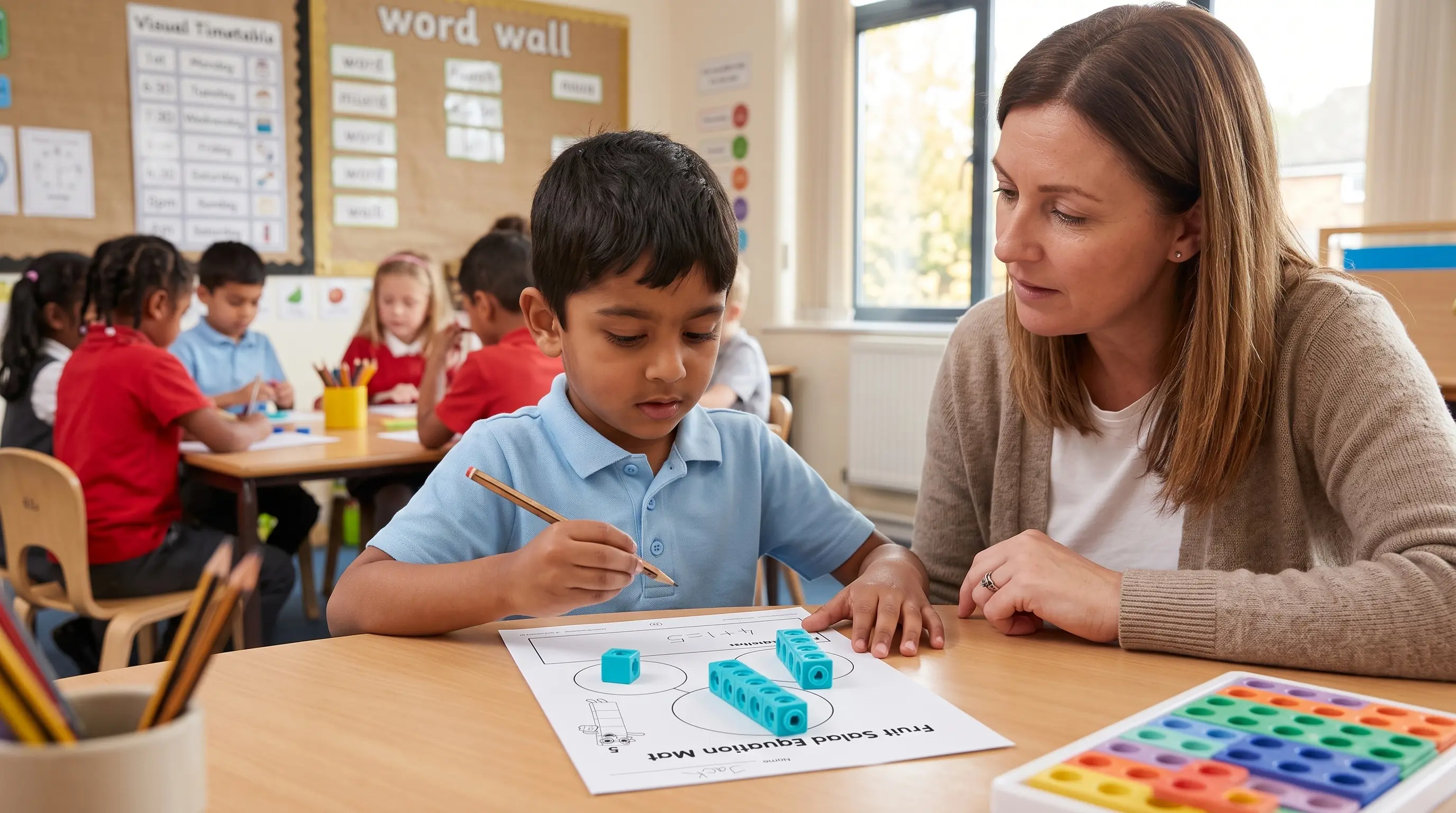
Creating Inclusive Classrooms: Practical Strategies That Help Every Pupil Thrive
Effective inclusion is not about creating separate learning experiences. It is about removing barriers so that every pupil can engage meaningfully with learning. Explore practical strategies for adaptive teaching, SEND support, assistive technology and inclusive classroom practice.
Natalie McMunn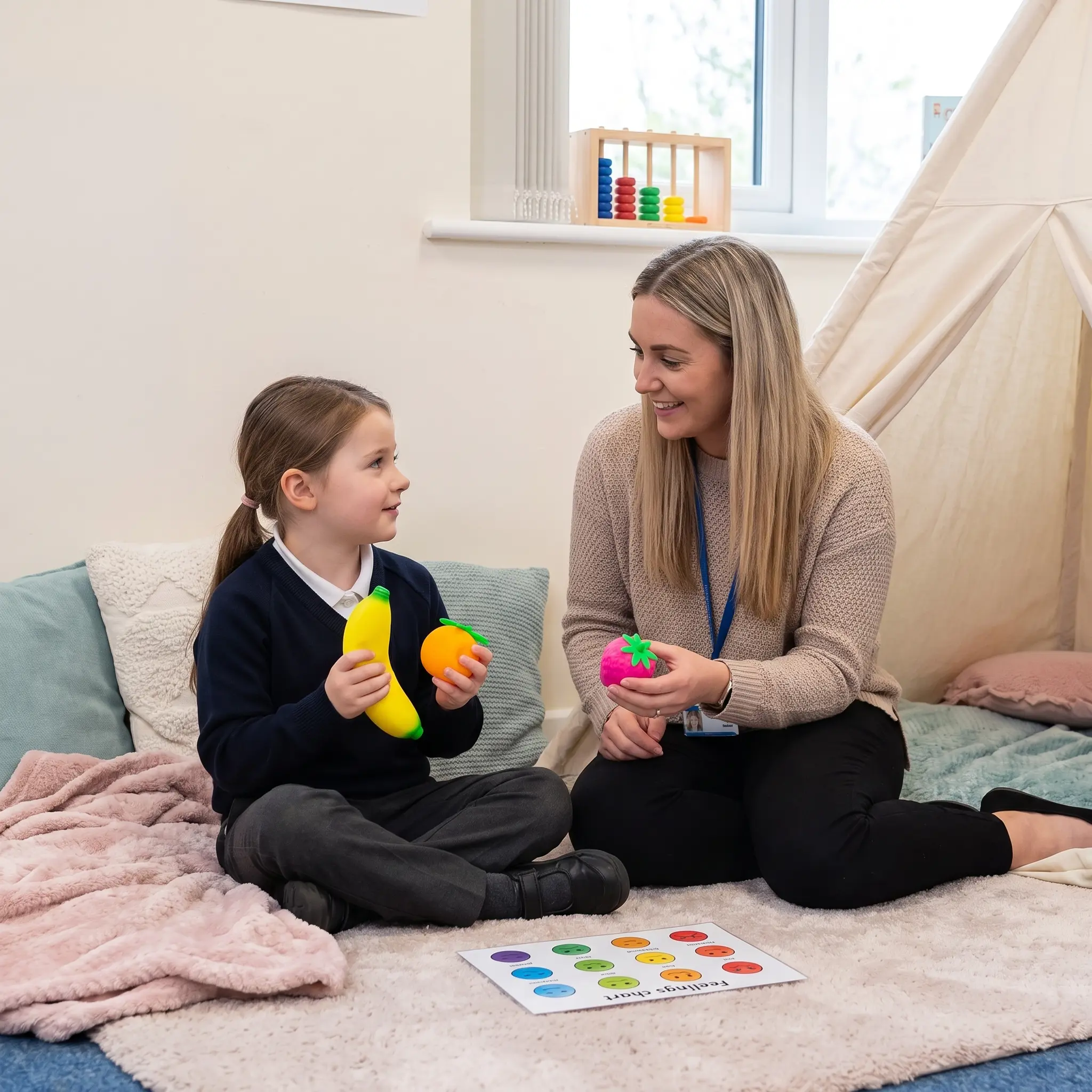
Fidget toys and sensory tools for schools: a buying guide
The best sensory tools for schools are those that match a pupil's individual sensory needs and help them access learning successfully. For teachers and SENCOs, the goal is not simply to buy fidget toys, but to create sensory support that improves attention, emotional regulation, wellbeing and inclusion across the school.
Natalie McMunn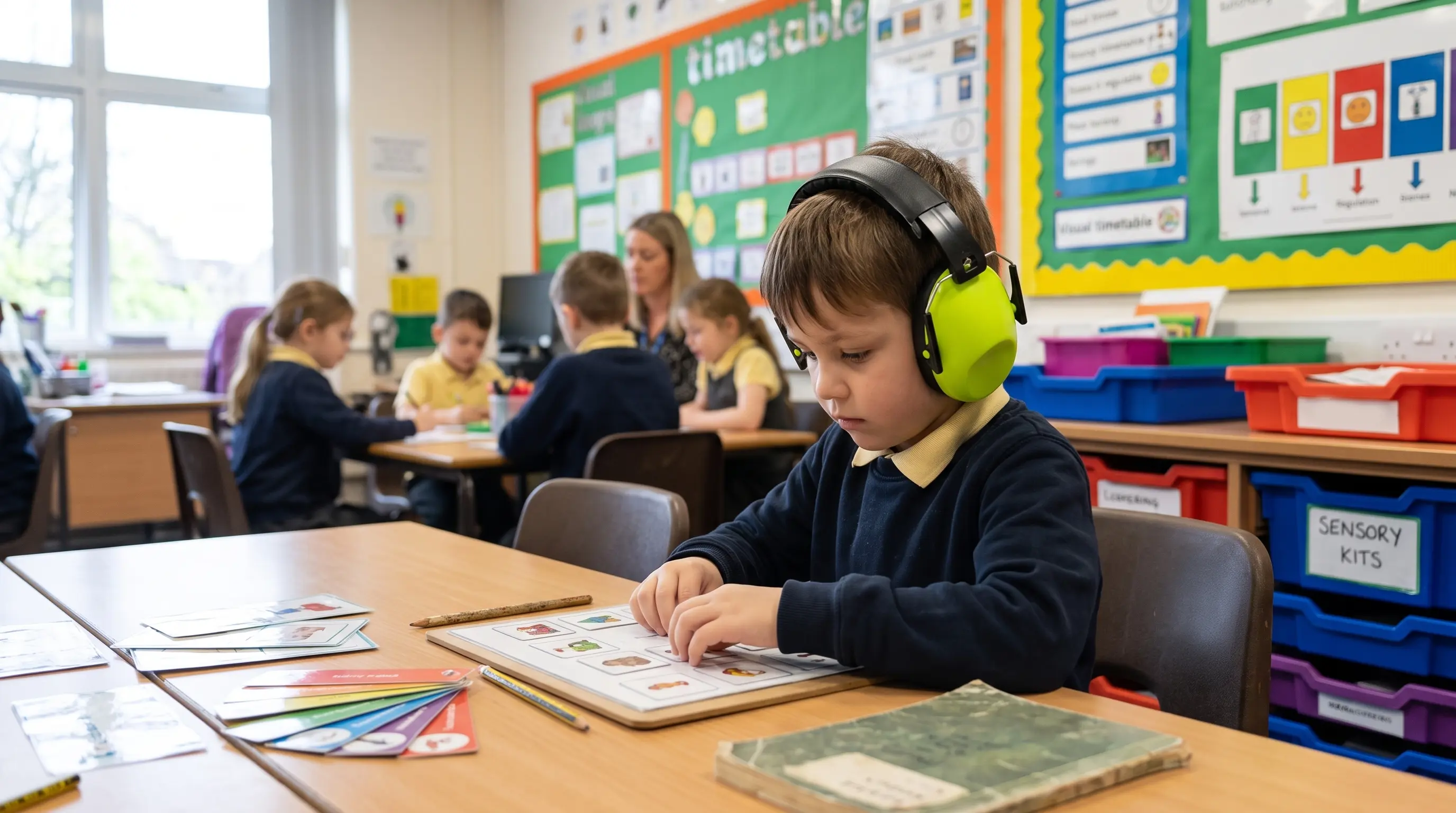
SEND resources for primary schools: a guide for SENCOs and class teachers
SEND resources for primary schools should help pupils access learning, build independence, regulate emotions and take part in classroom life. The best resources are chosen around identified needs, not labels, and should support the graduated approach through practical, inclusive provision that teachers can use confidently every day.
Natalie McMunn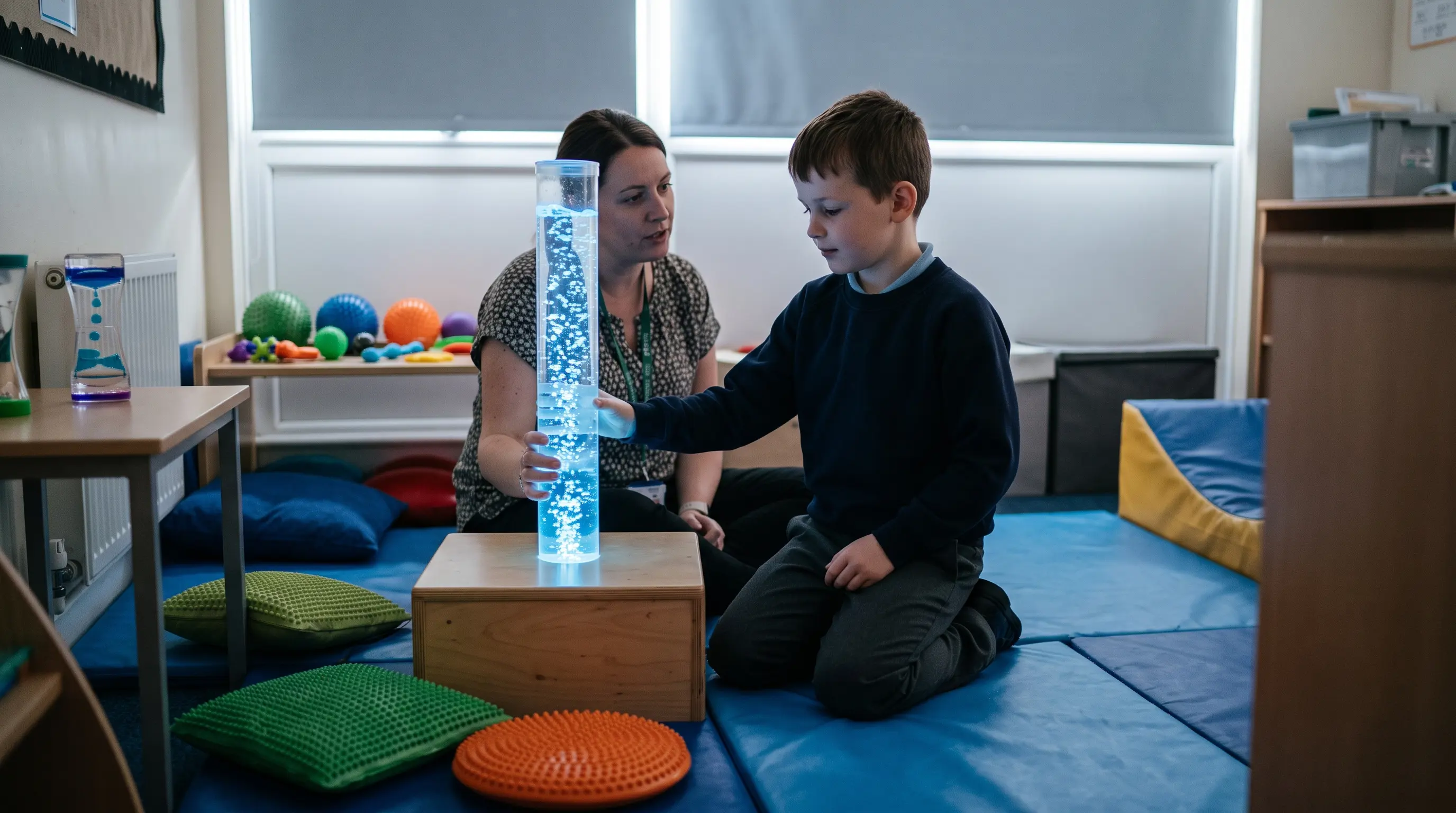
Sensory rooms in schools: what equipment do you need?
A school sensory room should include carefully chosen equipment that helps pupils regulate sensory input, reduce overwhelm, build communication skills and return to learning more successfully. For SENCOs and SBMs, the best sensory room is not the most expensive one, but the one designed around pupil need, staff use, available space and clear SEND outcomes.
Natalie McMunn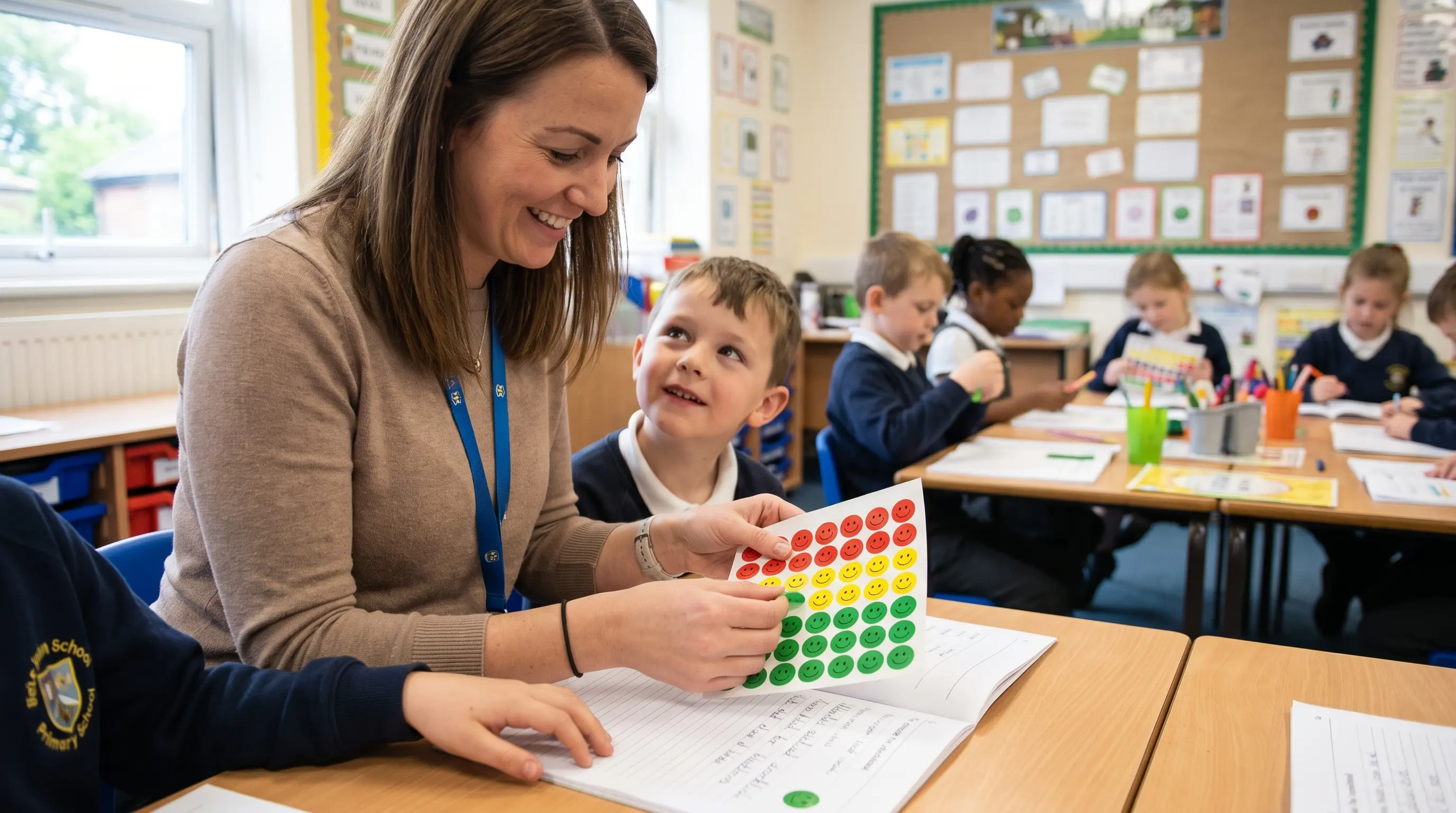
Reward Stickers and Reward Systems for Primary Schools
Reward stickers remain one of the most widely used classroom tools in primary schools because they provide immediate recognition, celebrate effort and reinforce positive learning behaviours. When used as part of a thoughtful reward system, stickers can support motivation, confidence and engagement. The most effective approaches focus on recognising progress, resilience and achievement rather than simply rewarding task completion.
Jack Clarke