
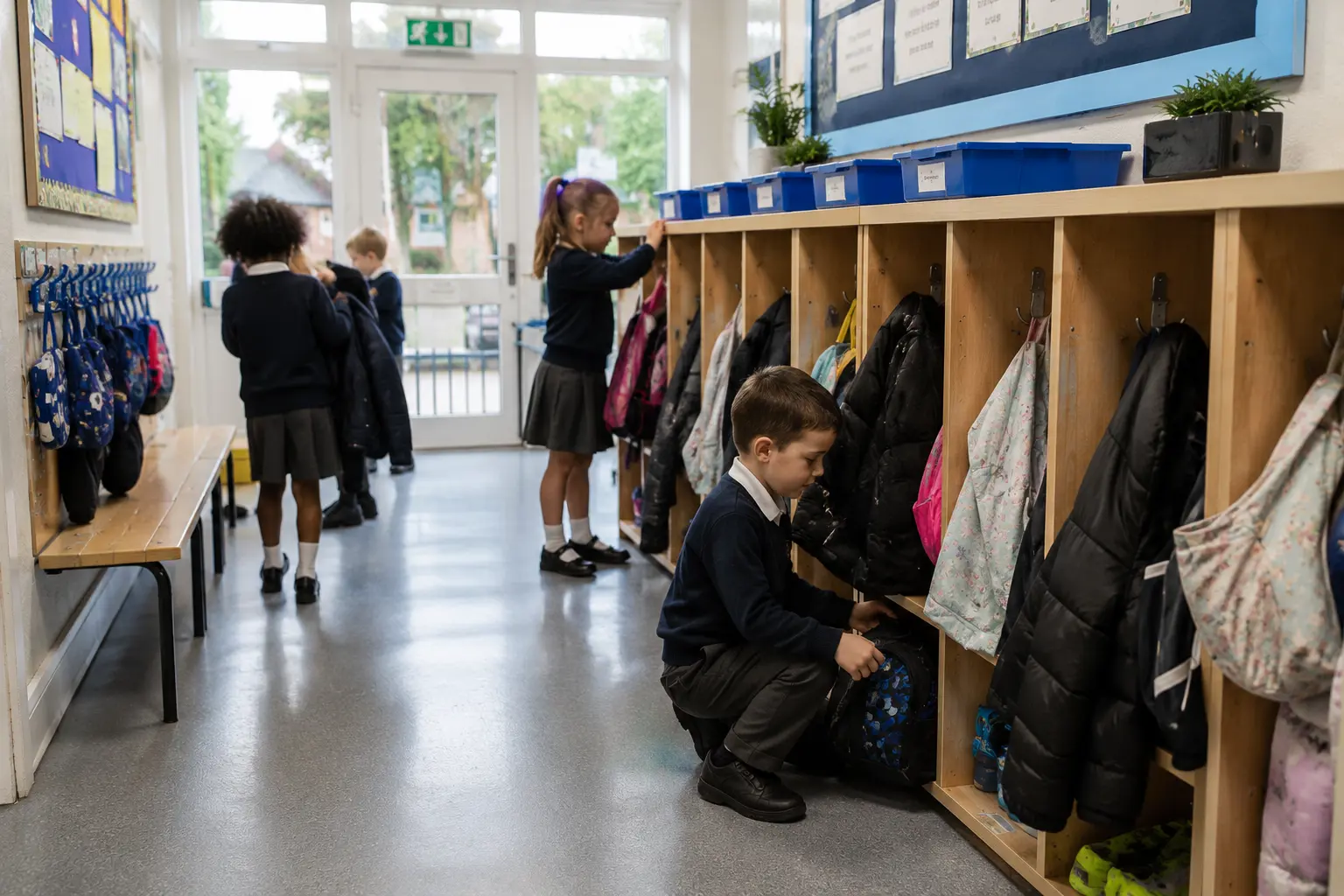
School Lockers and Cloakroom Storage: A Buying Guide for SBMs
School lockers and cloakroom storage play an important role in maintaining organised, safe and efficient learning environments. The right storage solution helps schools manage coats, bags, PE kits and personal belongings while reducing clutter in classrooms and corridors. For School Business Managers, choosing appropriate storage is about balancing capacity, durability, safeguarding considerations and long-term value rather than simply purchasing furniture.
Natalie McMunn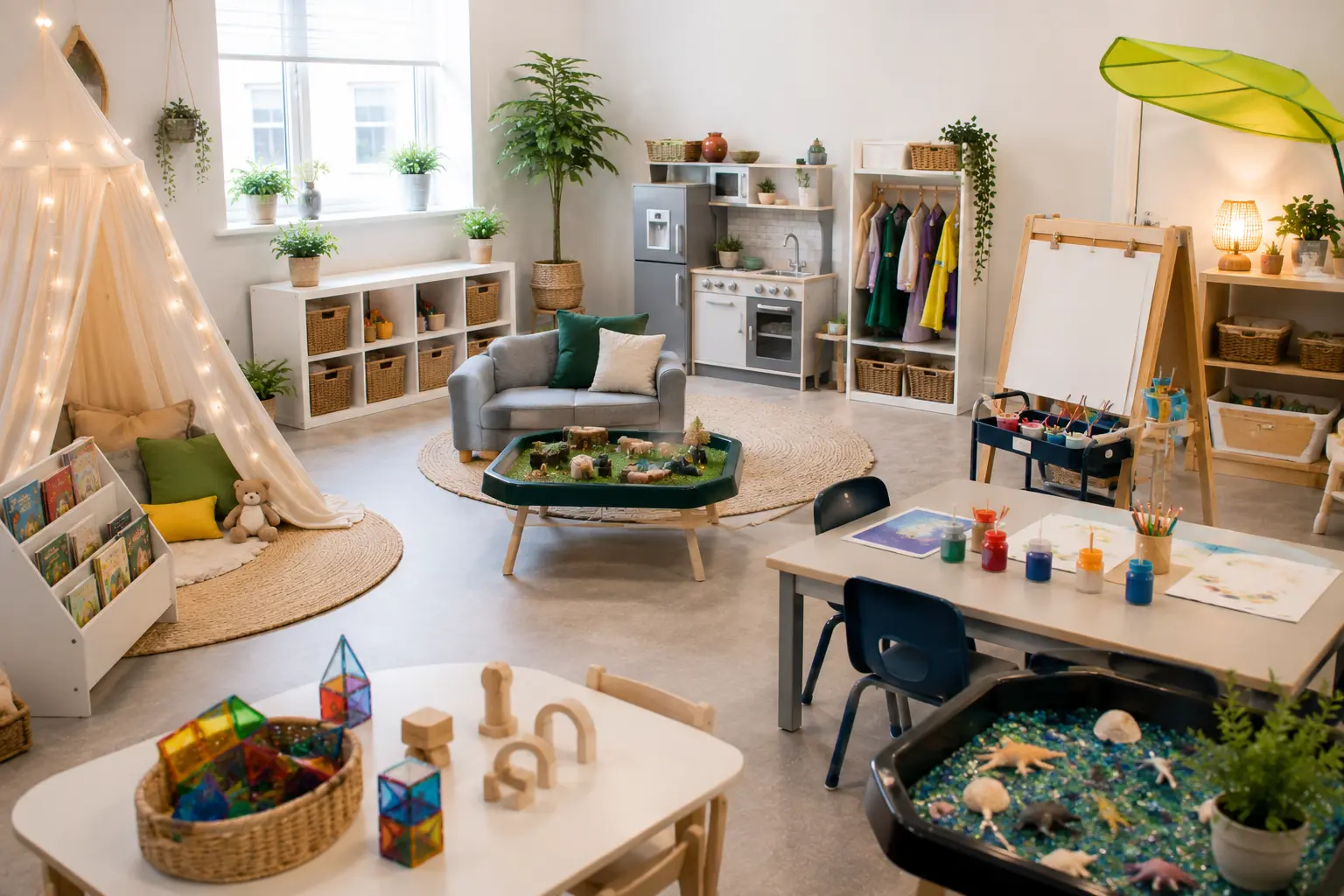
EYFS Learning Environment Inspiration: Ideas for Every Area
An effective EYFS learning environment is built around the principle of enabling environments within the DfE EYFS Statutory Framework. Rather than simply housing resources, the environment should actively support children's development, independence, curiosity and confidence. The strongest EYFS classrooms carefully balance structure and flexibility, ensuring every area of provision contributes meaningfully to learning across the seven areas of development while remaining responsive to children's interests and needs.
Jack Clarke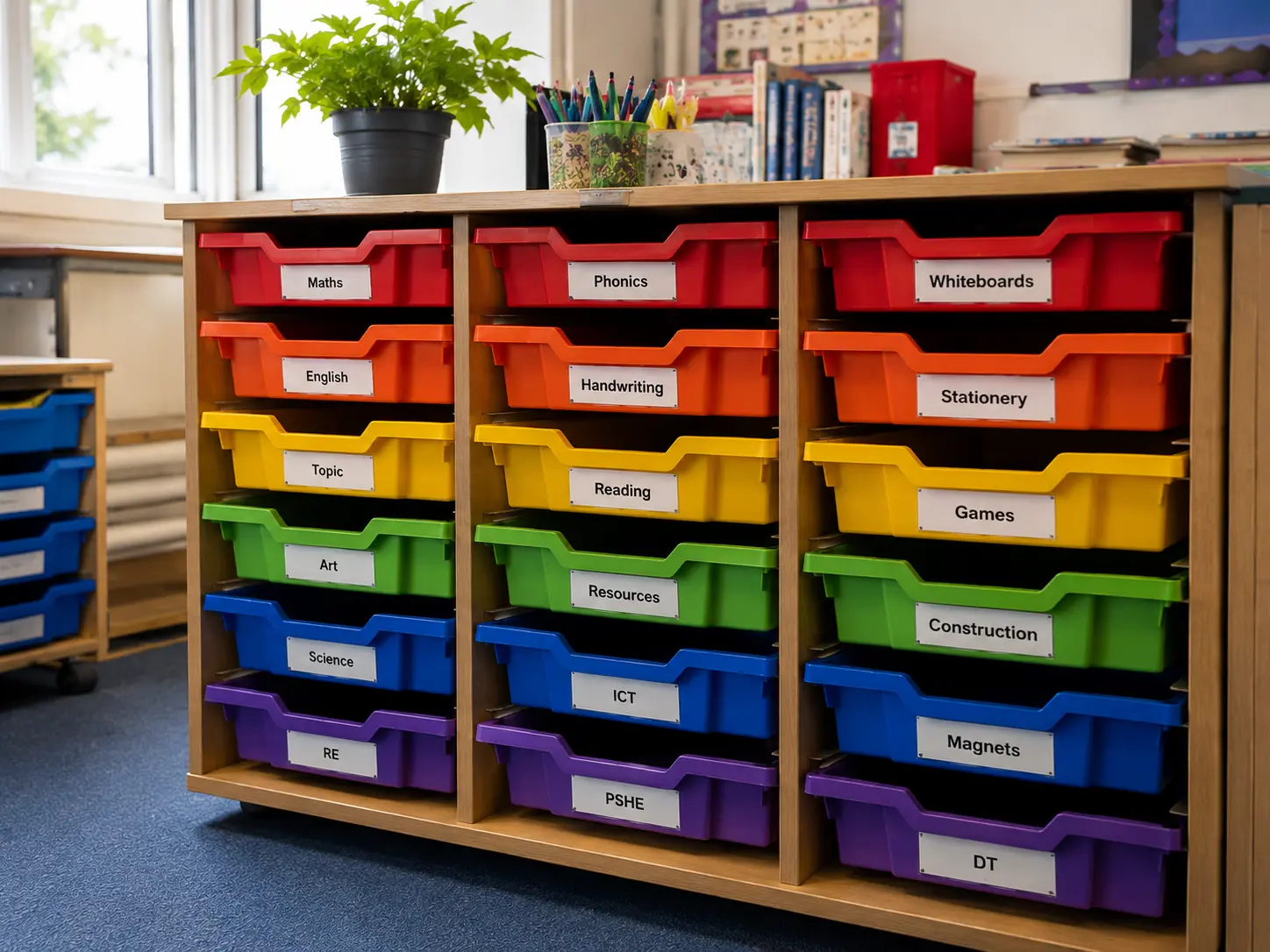
Gratnells Trays for Schools: Sizes, Colours and How to Organise Them
Gratnells trays are one of the most widely used storage systems in UK schools because they provide a flexible, durable and standardised way to organise classroom resources. Available in multiple depths, widths and colours, they can be used for everything from daily classroom equipment to specialist curriculum resources. When organised effectively, Gratnells trays help reduce classroom clutter, improve resource accessibility and save staff time by making storage systems easier to manage and maintain.
Natalie McMunn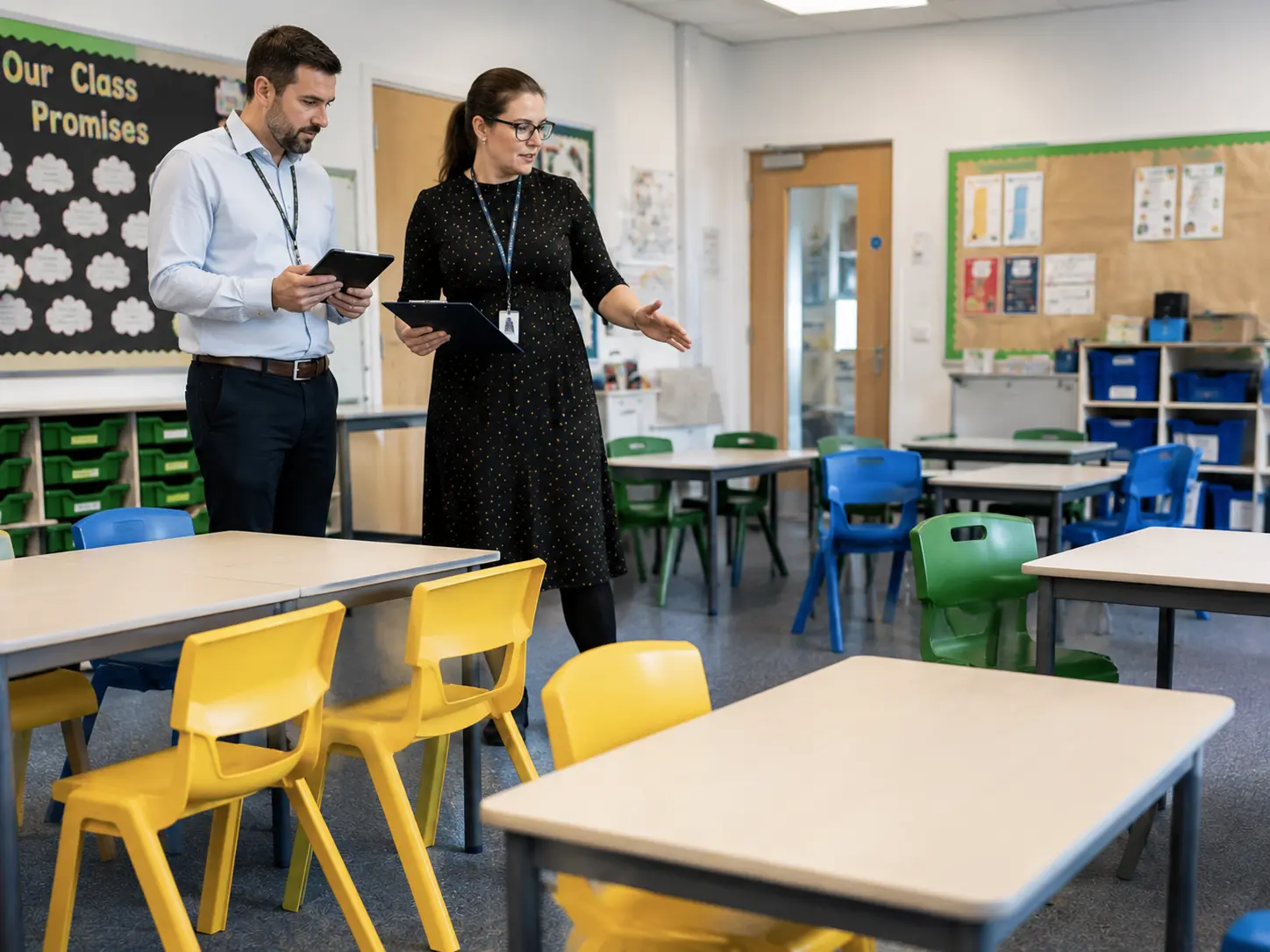
School Chairs and Tables Size Guide for Primary Schools
Choosing the correct size school chairs and tables is important for pupil comfort, posture, concentration and classroom safety. Most UK primary schools use furniture sizes based on pupil height ranges, following the BS EN 1729 European standard for educational furniture. Matching furniture correctly to pupils helps support healthy sitting habits, improves classroom ergonomics and reduces the need for costly furniture replacements caused by inappropriate purchasing decisions.
Natalie McMunn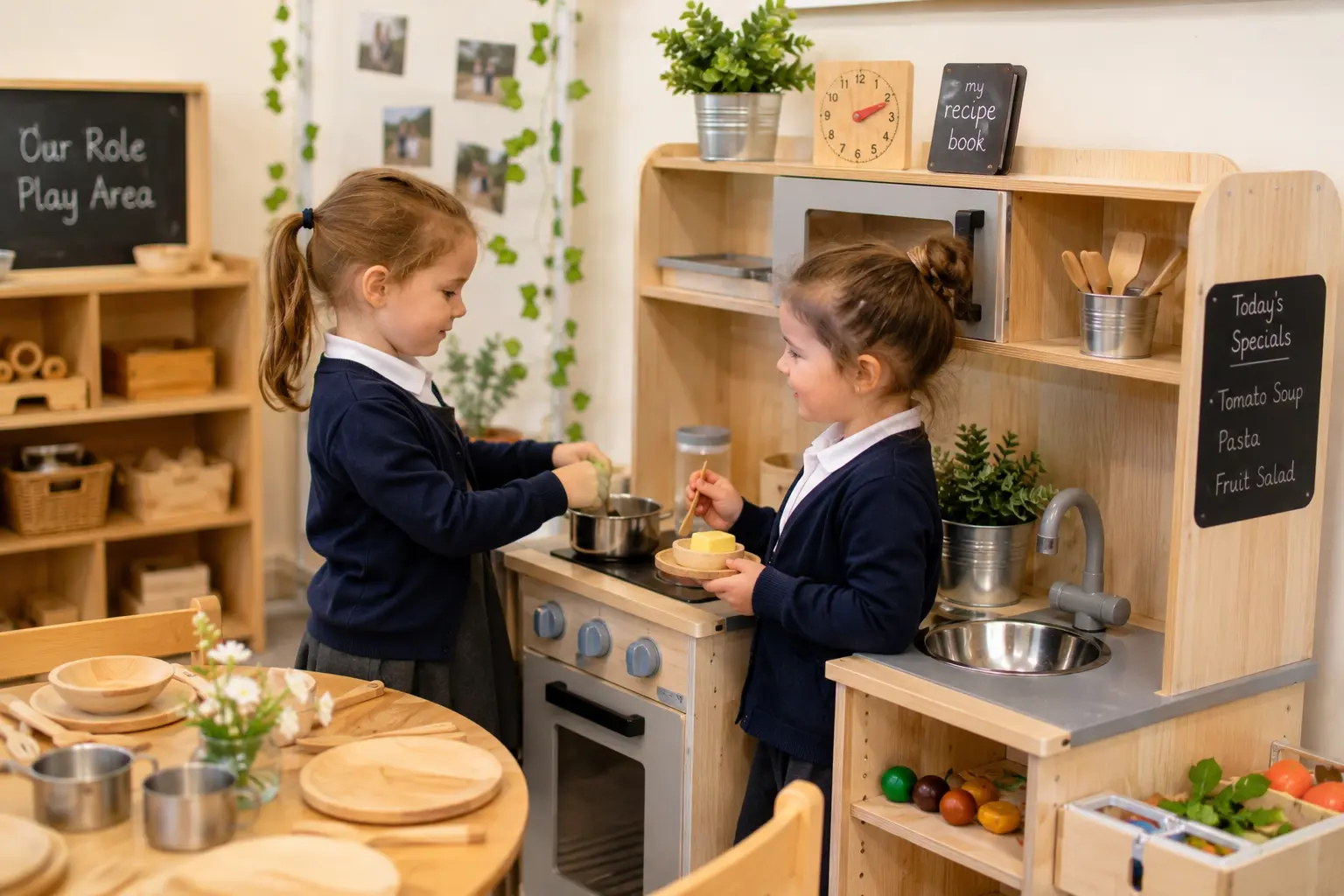
Role Play Kitchens for Schools: A Complete EYFS Buying Guide
Role play kitchens are one of the most effective EYFS resources because they support multiple areas of learning through everyday play experiences. Aligned with Expressive Arts and Design and Understanding the World within the DfE EYFS Statutory Framework, they help children develop communication skills, creativity, social understanding and confidence. When chosen carefully and used as part of continuous provision, a role play kitchen can support learning every day of the academic year while delivering excellent long-term value for schools.
Carla Bonner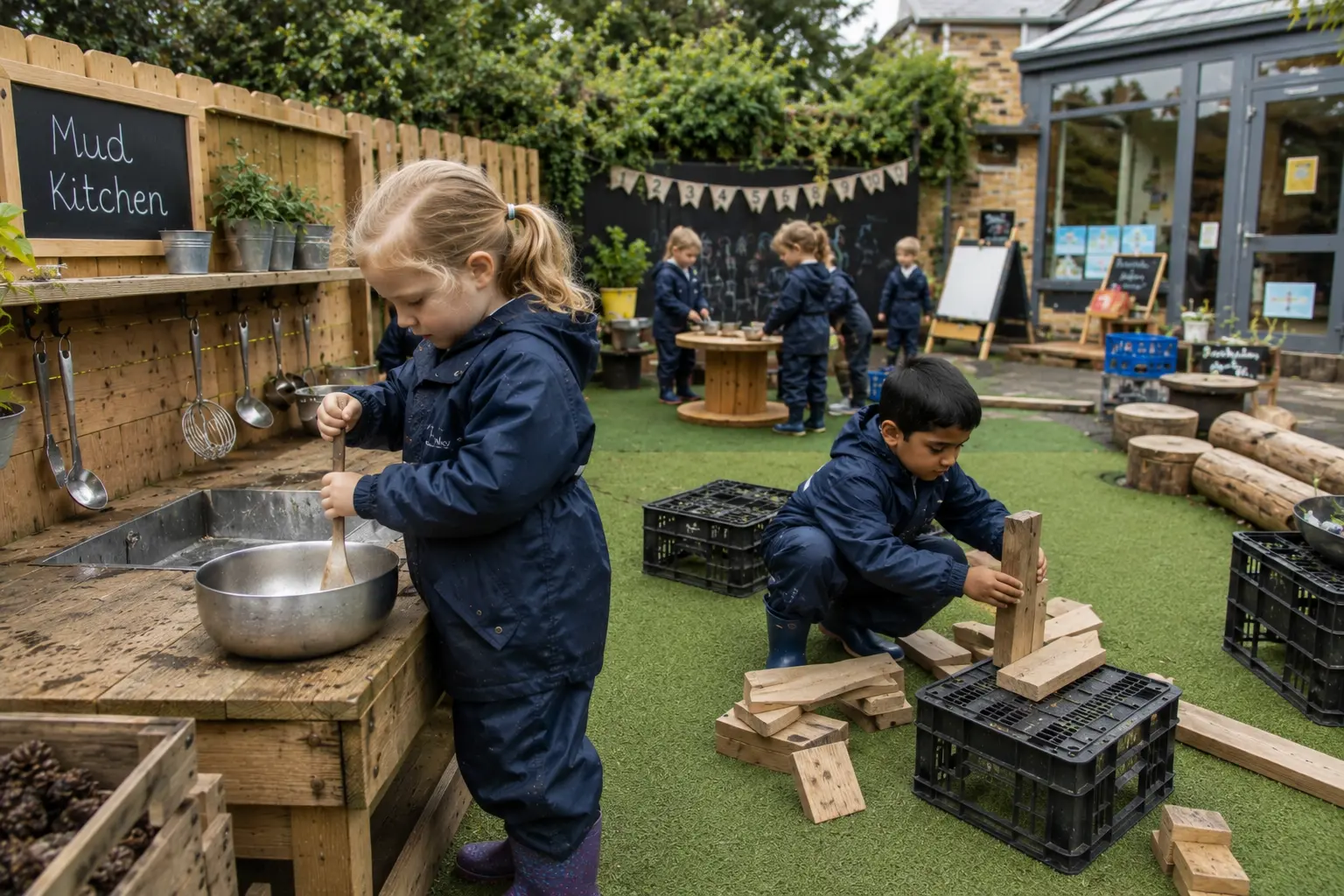
Outdoor Play Equipment for EYFS: What Primary Schools Need
Outdoor play is a statutory requirement within the DfE EYFS Statutory Framework and should be considered an integral part of children's daily learning rather than an optional extra. Effective outdoor provision supports Physical Development, Communication and Language, Personal, Social and Emotional Development, Understanding the World and Expressive Arts and Design. The most successful EYFS outdoor spaces are not necessarily the largest or most expensive; they are the ones that provide purposeful opportunities for exploration, movement, creativity and independent learning.
Natalie McMunn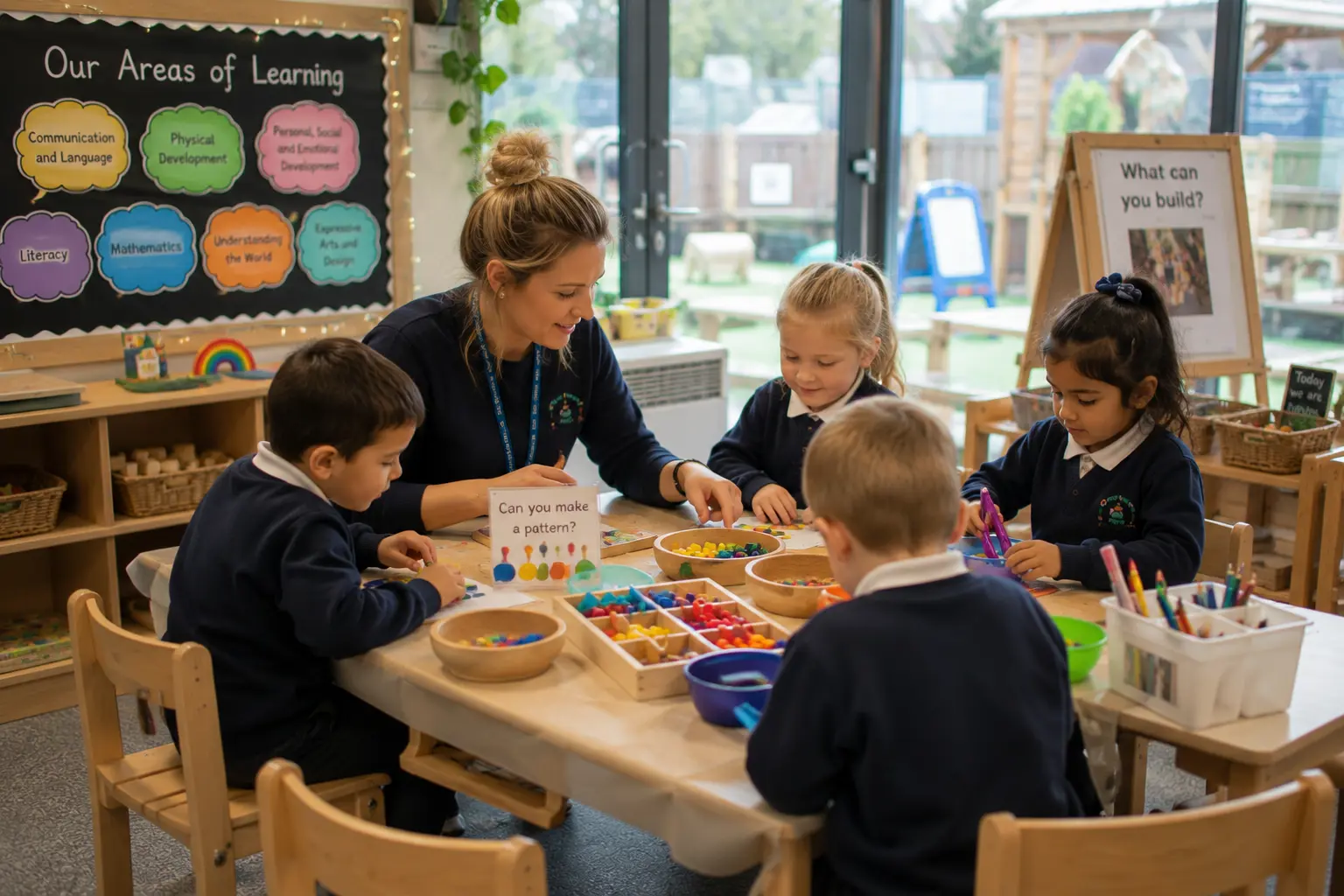
EYFS Areas of Learning: Which Resources Support Each Area?
The DfE EYFS Statutory Framework identifies seven areas of learning and development that form the foundation of Early Years education. Effective EYFS environments do not treat these areas as separate subjects. Instead, they provide resources and experiences that allow children to develop multiple skills simultaneously through play, exploration and meaningful interactions. Understanding how resources support each area helps teachers create purposeful provision while ensuring every part of the classroom contributes to children's development.
Carla Bonner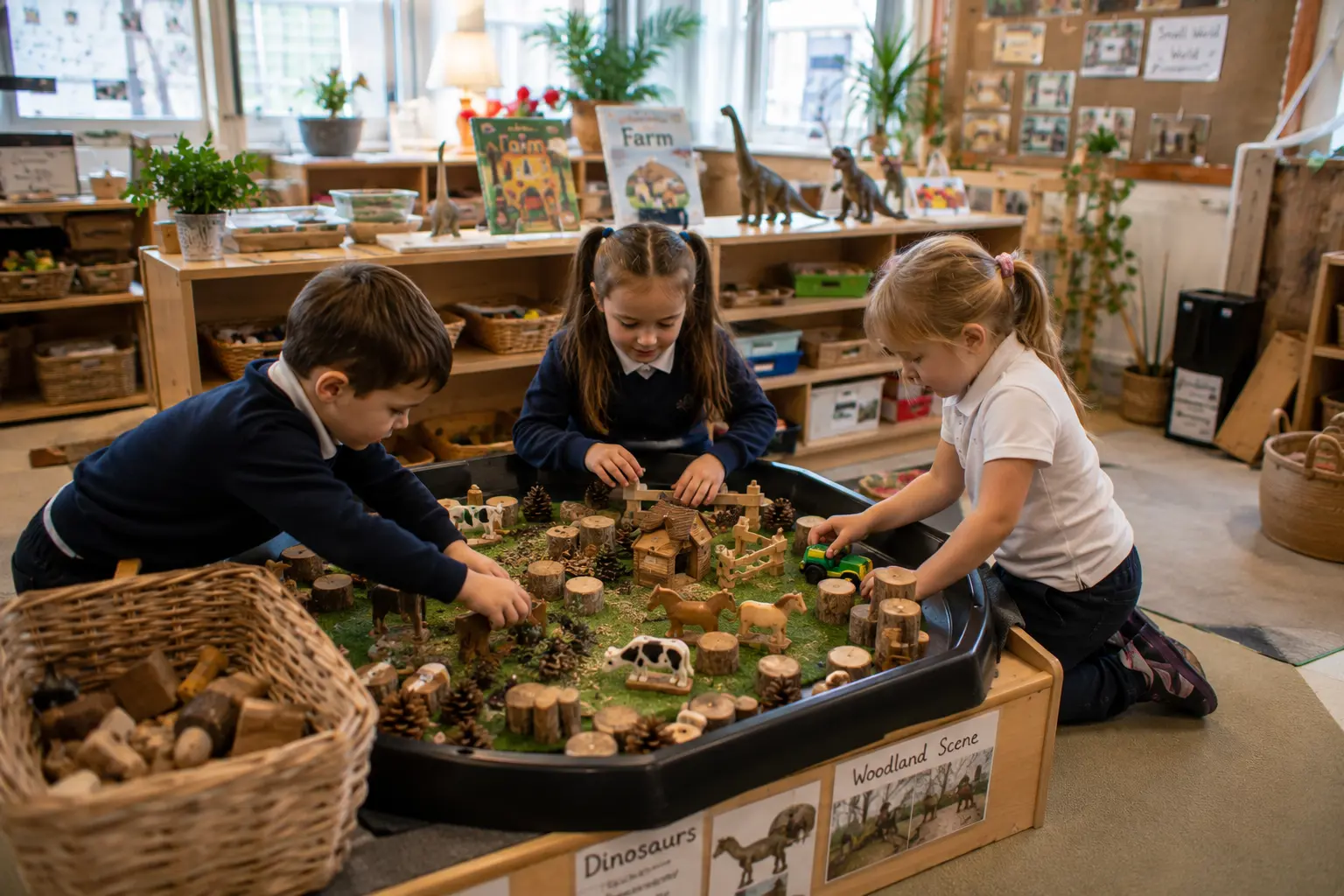
How to Set Up an EYFS Classroom: A Practical Guide
An effective EYFS classroom is organised around the seven areas of learning within the DfE EYFS Statutory Framework, while remaining flexible enough to support child-led exploration, continuous provision and individual development. The best classroom setups balance structure with independence, ensuring children can access resources easily, move confidently between activities and engage in meaningful learning experiences throughout the day.
Carla Bonner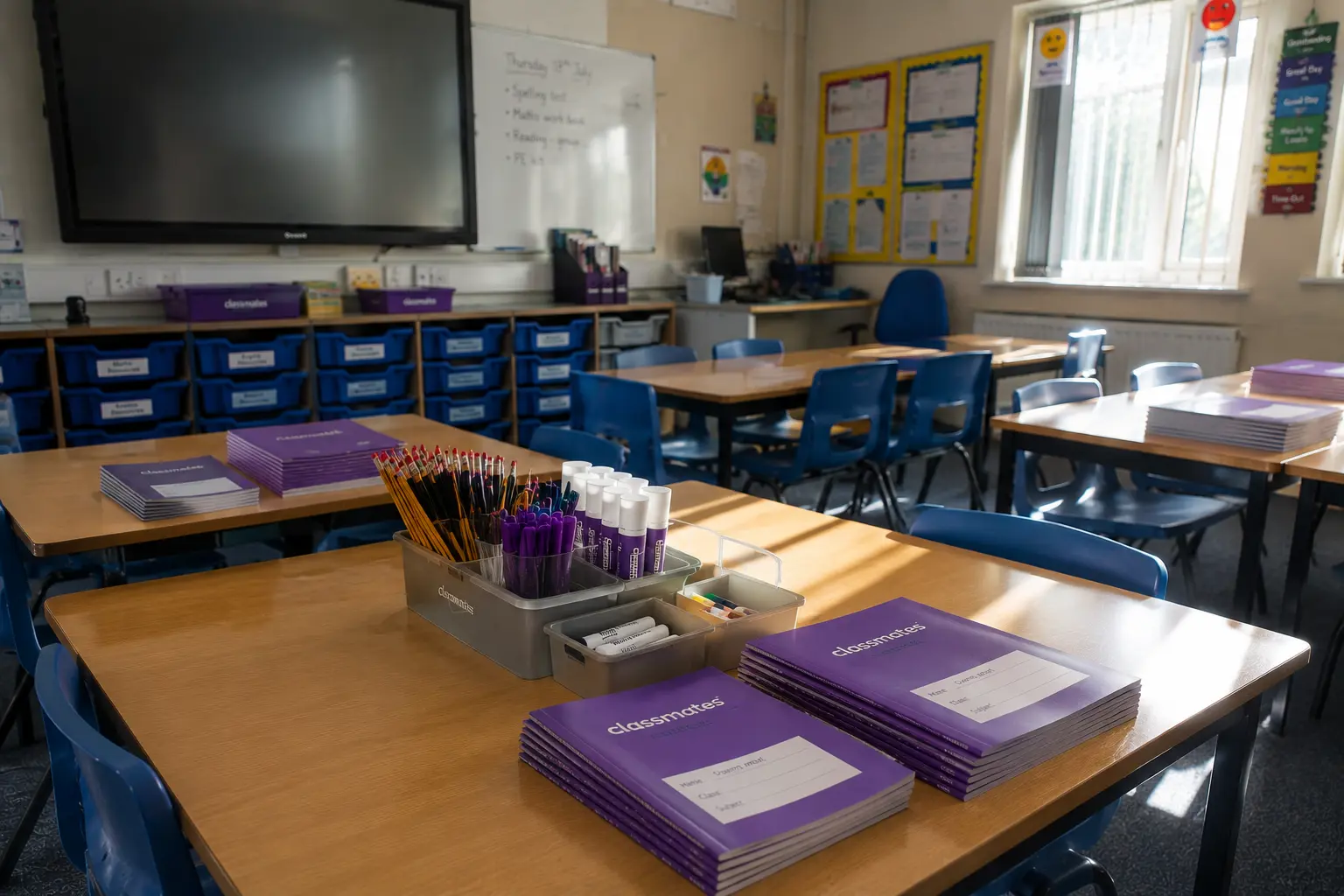
Why Primary Schools Should Order Back-to-School Stationery in July, Not September
For most primary schools, July is the most effective time to order back-to-school stationery. Ordering before the summer holidays allows schools to review stock properly, prepare classrooms, avoid September procurement pressures and ensure pupils have access to the resources they need from day one. Waiting until September often creates unnecessary workload, emergency purchasing and avoidable disruption during one of the busiest periods of the school year.
Carla Bonner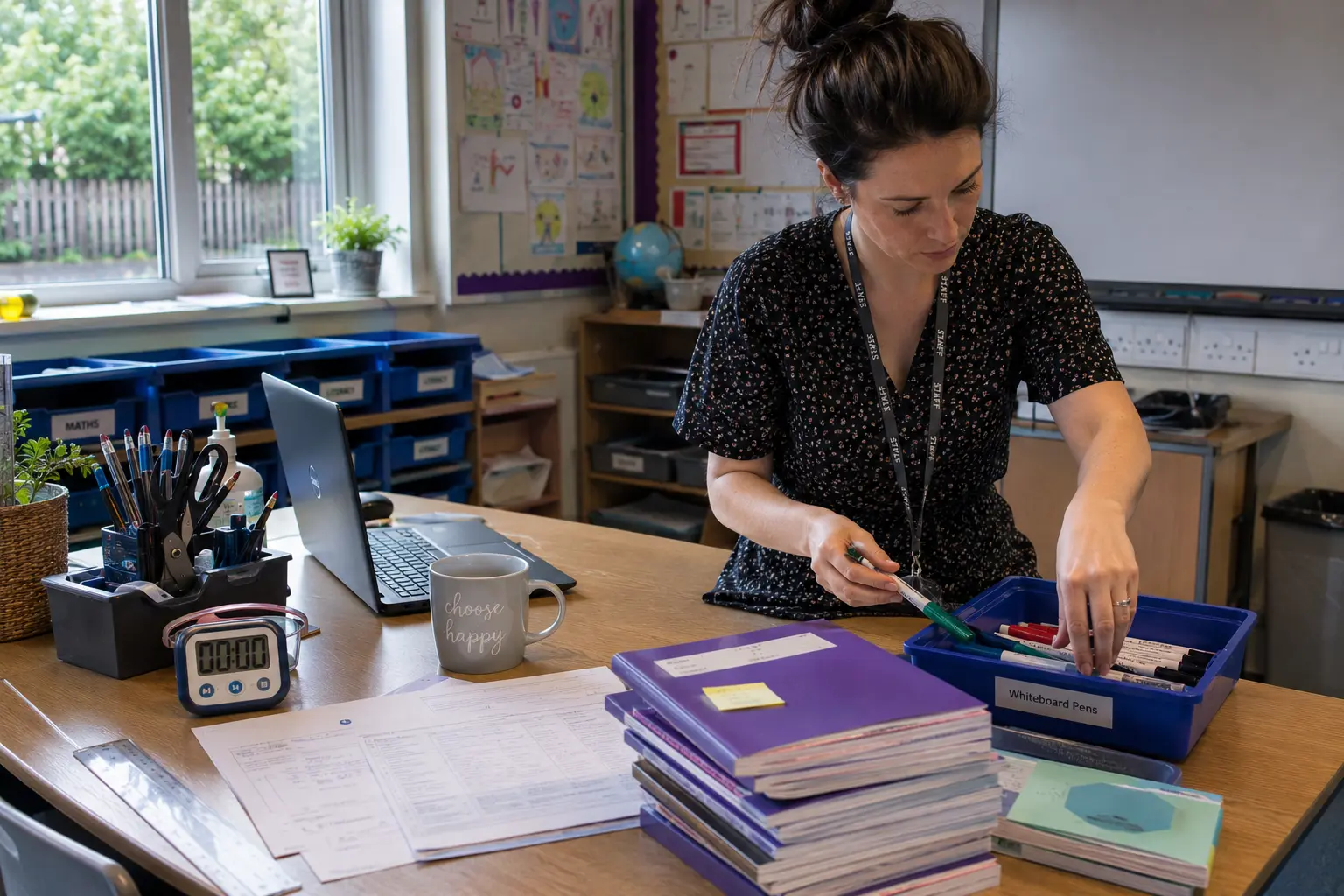
Top 10 Classroom Setup Essentials: A Practical Guide for Teachers and School Business Managers
Every primary classroom relies on a small collection of everyday resources to function effectively. Whiteboard pens, staplers, scissors and sticky notes may not feature prominently in school improvement plans, but when they are missing, broken or in short supply, teaching time is quickly lost. At GLS, conversations with teachers, teaching assistants and School Business Managers often highlight the same reality: the smooth running of a classroom depends on having the right resources available at the right time. Ensuring classrooms are properly equipped is not simply a matter of convenience. It is a practical way to reduce workload, improve organisation and make school budgets work harder.
Natalie McMunn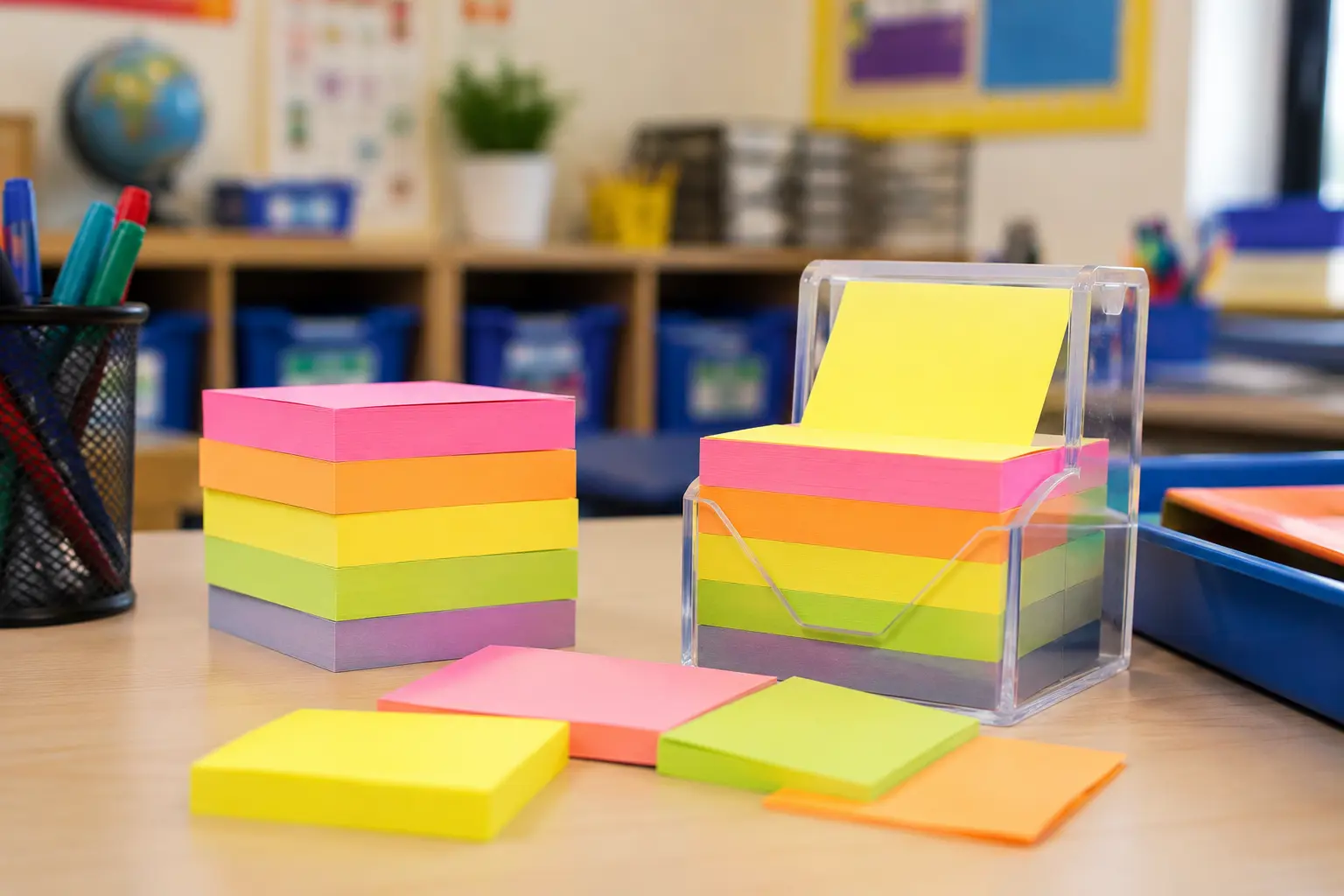
Sticky Notes for Schools: Sizes, Uses and How Many to Order
Sticky notes are one of the most versatile classroom resources used in schools, supporting assessment, feedback, planning, intervention work and classroom organisation. While they may seem like a minor stationery item, they are used daily by teachers, support staff and pupils across multiple curriculum areas. Choosing the right sizes, understanding typical usage and ordering appropriate quantities can help schools improve efficiency, reduce waste and achieve better value from everyday classroom supplies.
Natalie McMunn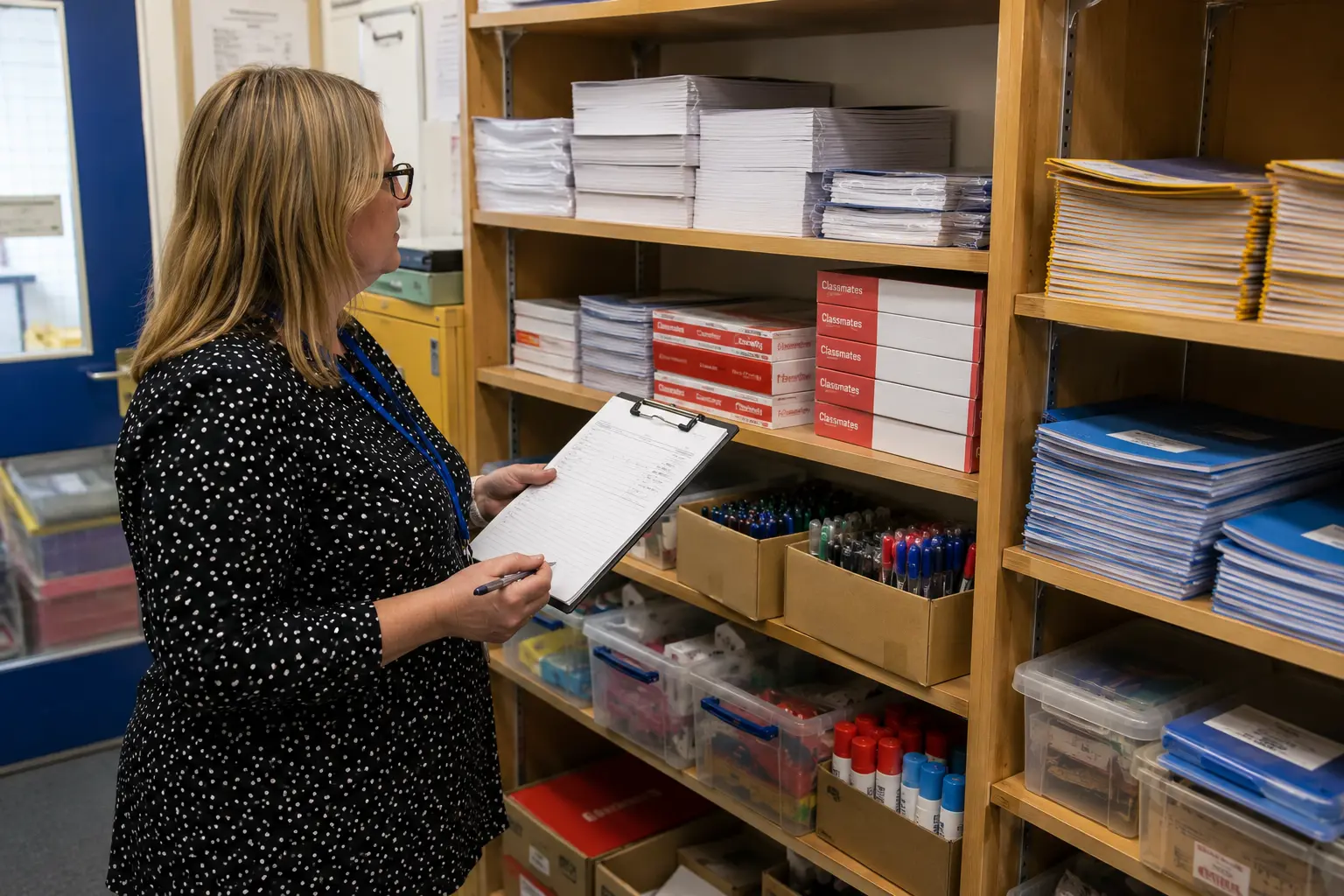
Copier paper for schools: gsm, sizes, quantities and value buying
Copier paper is one of the most heavily used consumables in schools, supporting everything from classroom resources and assessments to parent communications and administration. For School Business Managers, choosing the right paper involves more than comparing prices. Understanding GSM, paper sizes, usage patterns and purchasing strategies can help schools reduce waste, improve printing efficiency and achieve better long-term value from one of their most frequently purchased resources
Jack Clarke