
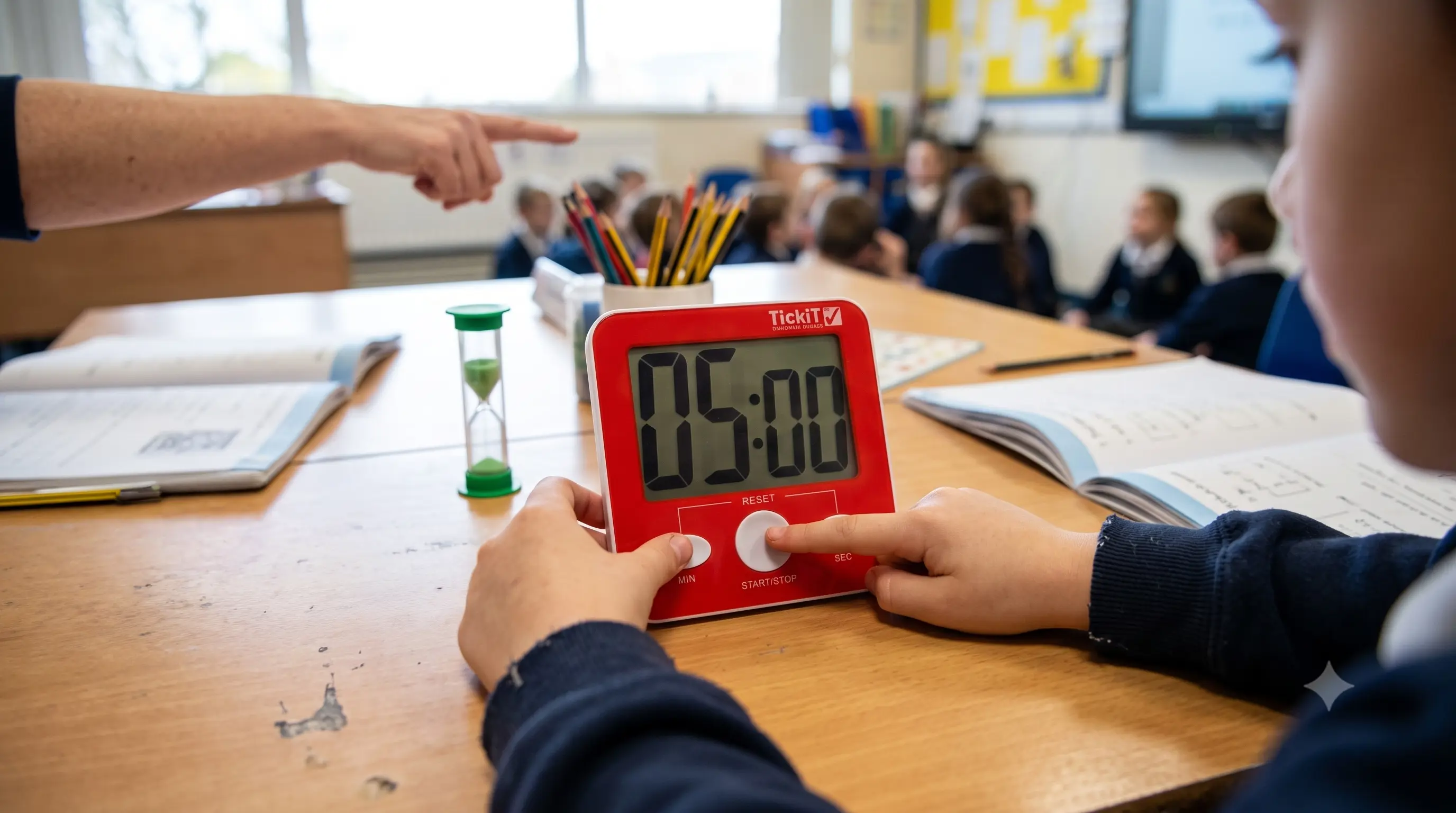
Classroom Timers for Primary Schools: Visual, Sand and Countdown
Classroom timers help pupils understand the passage of time, manage transitions and maintain focus during learning activities. Whether visual timers, sand timers or digital countdown timers, they support classroom routines, reduce interruptions and encourage independence. When used consistently, timers can improve lesson flow, strengthen behaviour expectations and help pupils take greater ownership of their learning.
Jack Clarke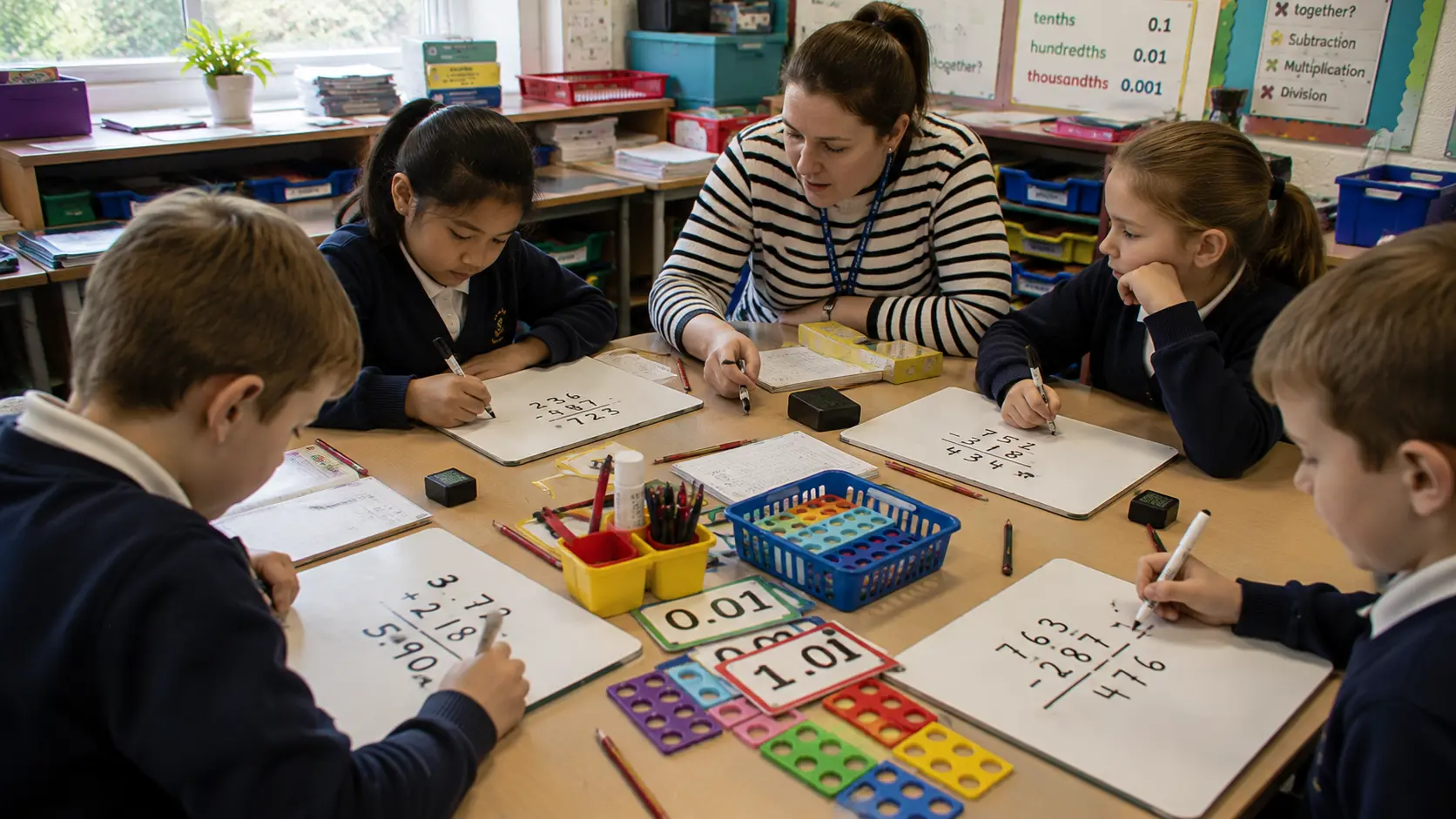
Mini Whiteboards for Schools: A Buying Guide for Teachers and SBMs
Mini whiteboards are one of the most widely used classroom resources in primary schools because they enable every pupil to participate, respond and practise ideas in real time. Commonly used in maths, phonics, spelling and formative assessment activities, they support active learning while reducing paper consumption. Choosing the right size, quantity and accessories helps schools maximise both educational impact and long-term value.
Natalie McMunn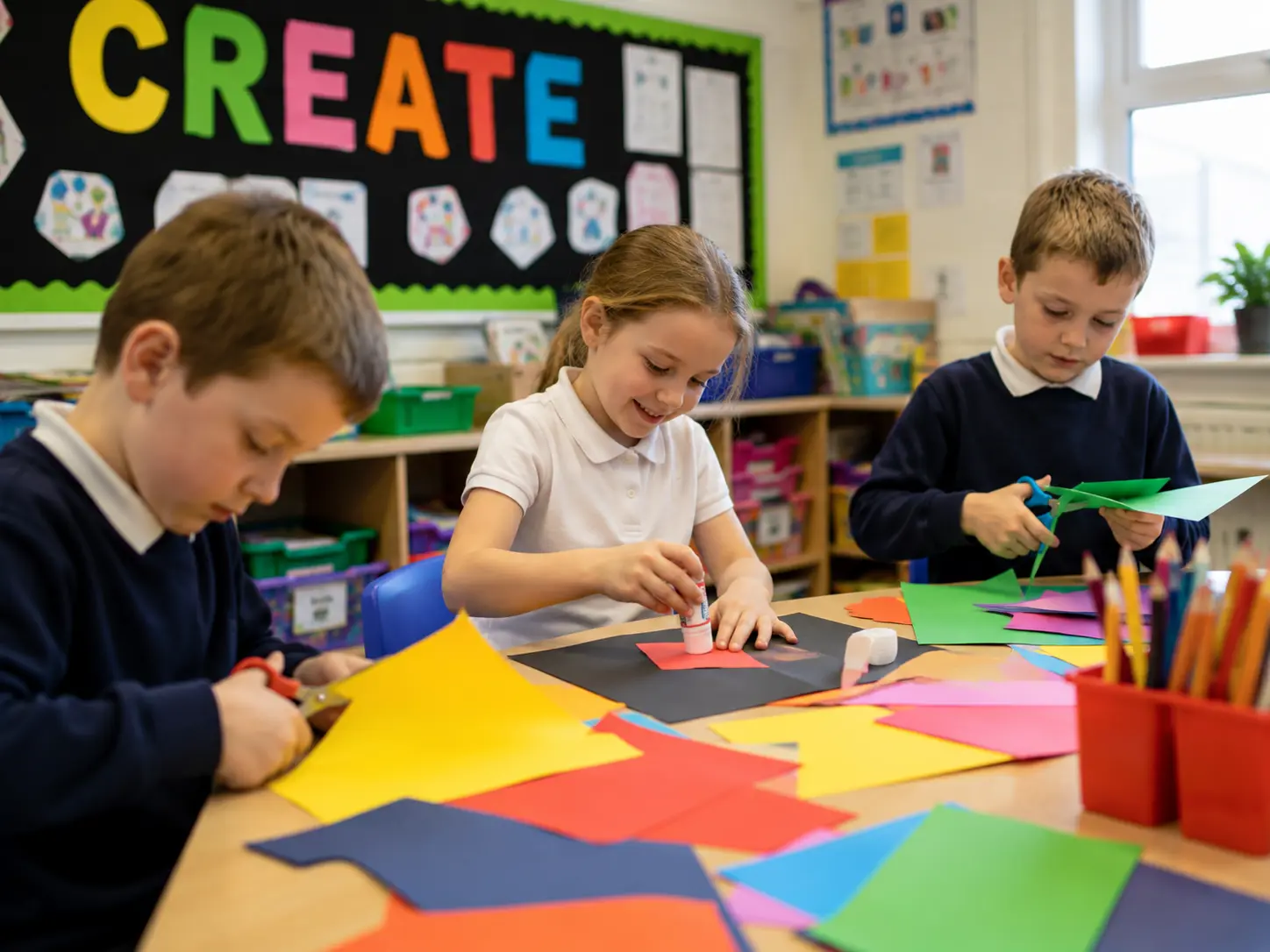
Coloured Card and Black Card for Schools: Weights, Sizes and Quantities
Coloured card and black card are among the most widely used creative resources in primary schools, supporting displays, art projects, model making and cross-curricular learning. Choosing the right card weight, sheet size and ordering quantities helps schools balance creativity with cost-effectiveness while ensuring classrooms always have suitable materials available when needed.
Rachel Pangburn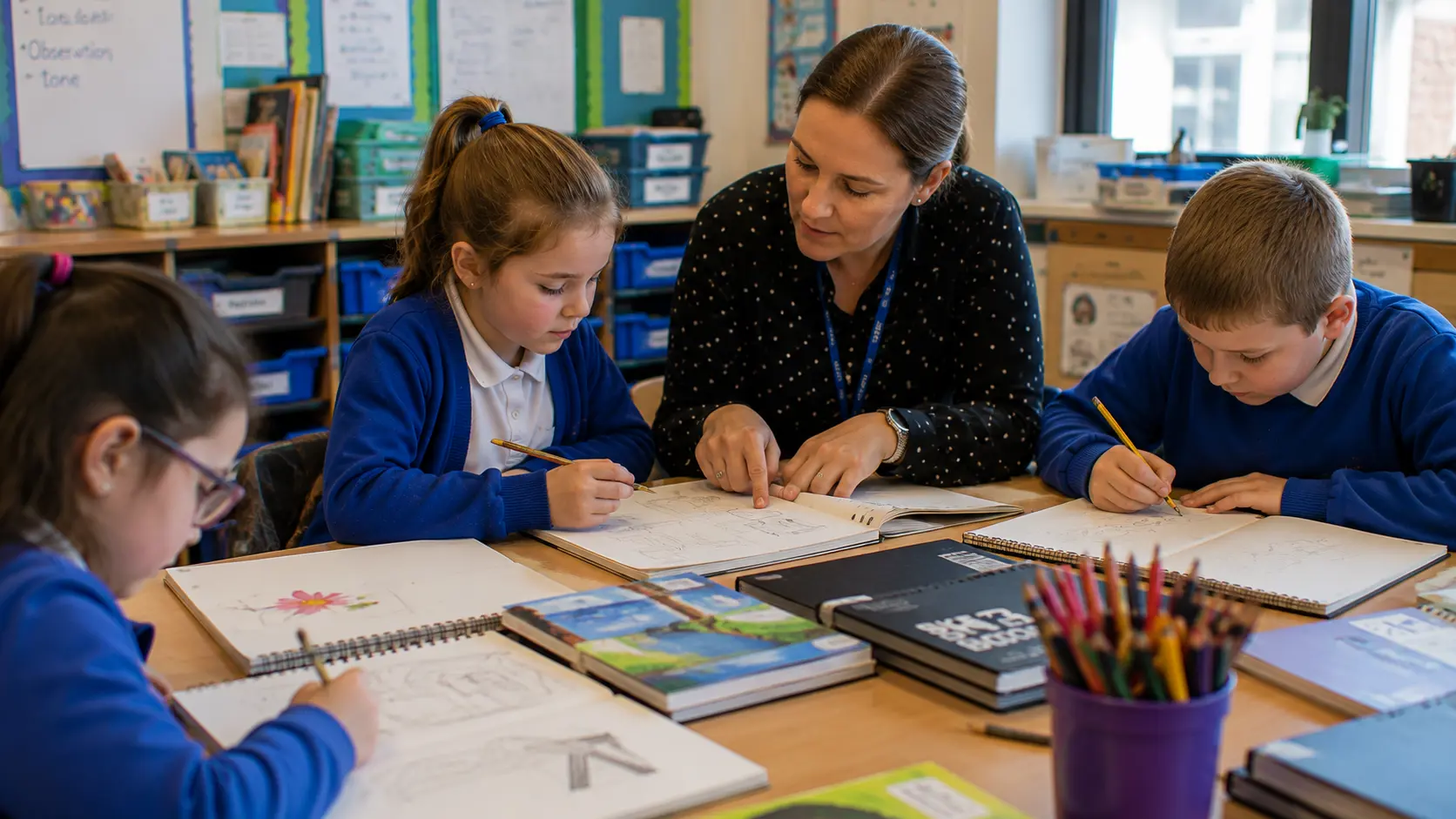
Sketchbooks for Schools: Which Size for Which Age?
The best sketchbook size depends on pupils' age, confidence and the type of artwork being created. Younger children generally benefit from larger formats that encourage exploration and mark-making, while older pupils often require additional space to develop ideas, experiment with techniques and record artistic progress. Choosing the right sketchbook helps support progression within the DfE Art and Design National Curriculum and allows pupils to build a meaningful record of their creative journey.
Jack Clarke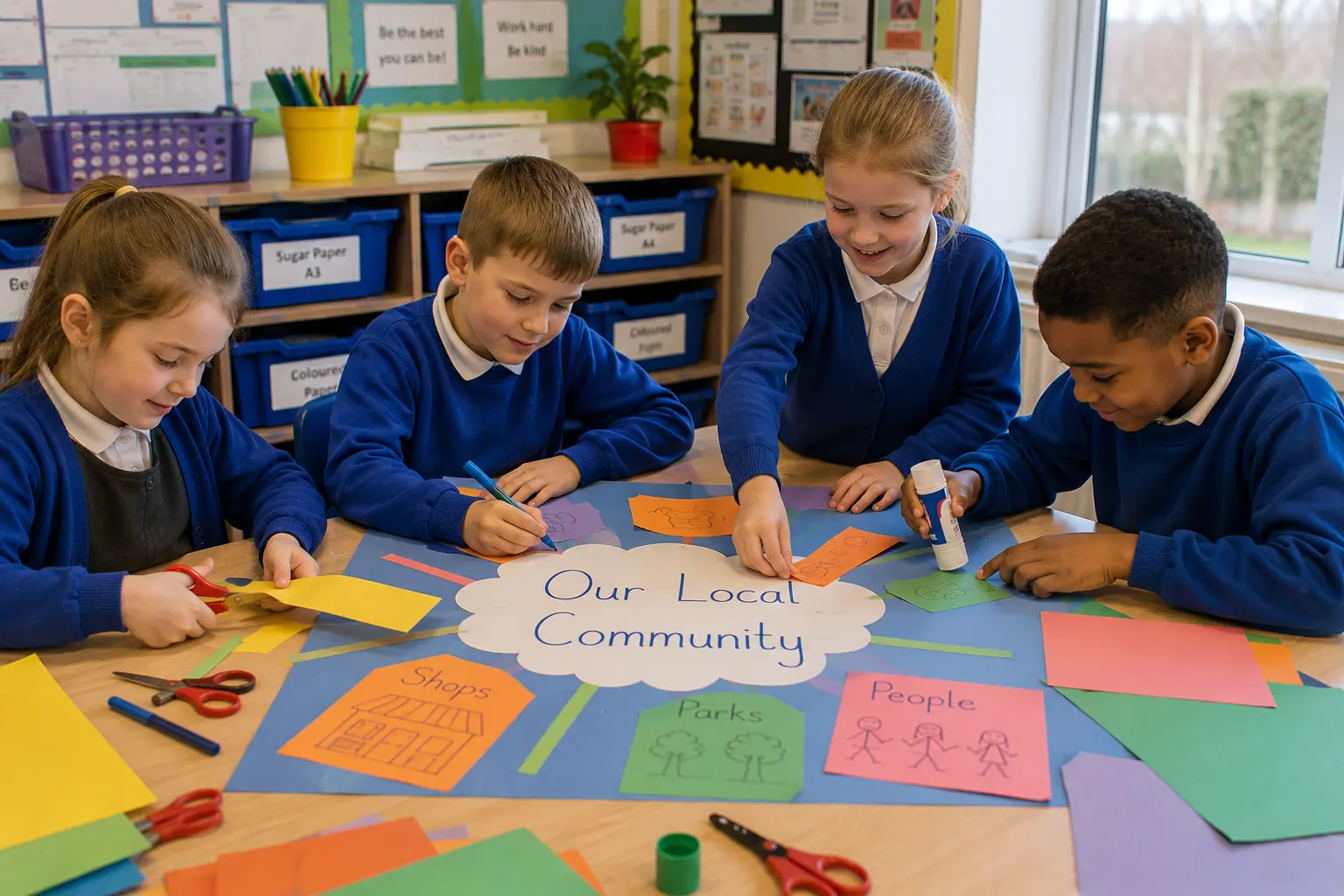
Sugar Paper for Schools: Colours, Sizes and Quantities
Sugar paper remains one of the most widely used classroom resources in UK schools because it supports everything from art and displays to collaborative learning and curriculum projects. Available in a wide range of colours and sizes, it is a versatile and cost-effective resource for primary schools. Choosing the right formats and ordering appropriate quantities helps schools reduce waste, improve value and ensure classrooms remain well stocked throughout the year.
Carla Bonner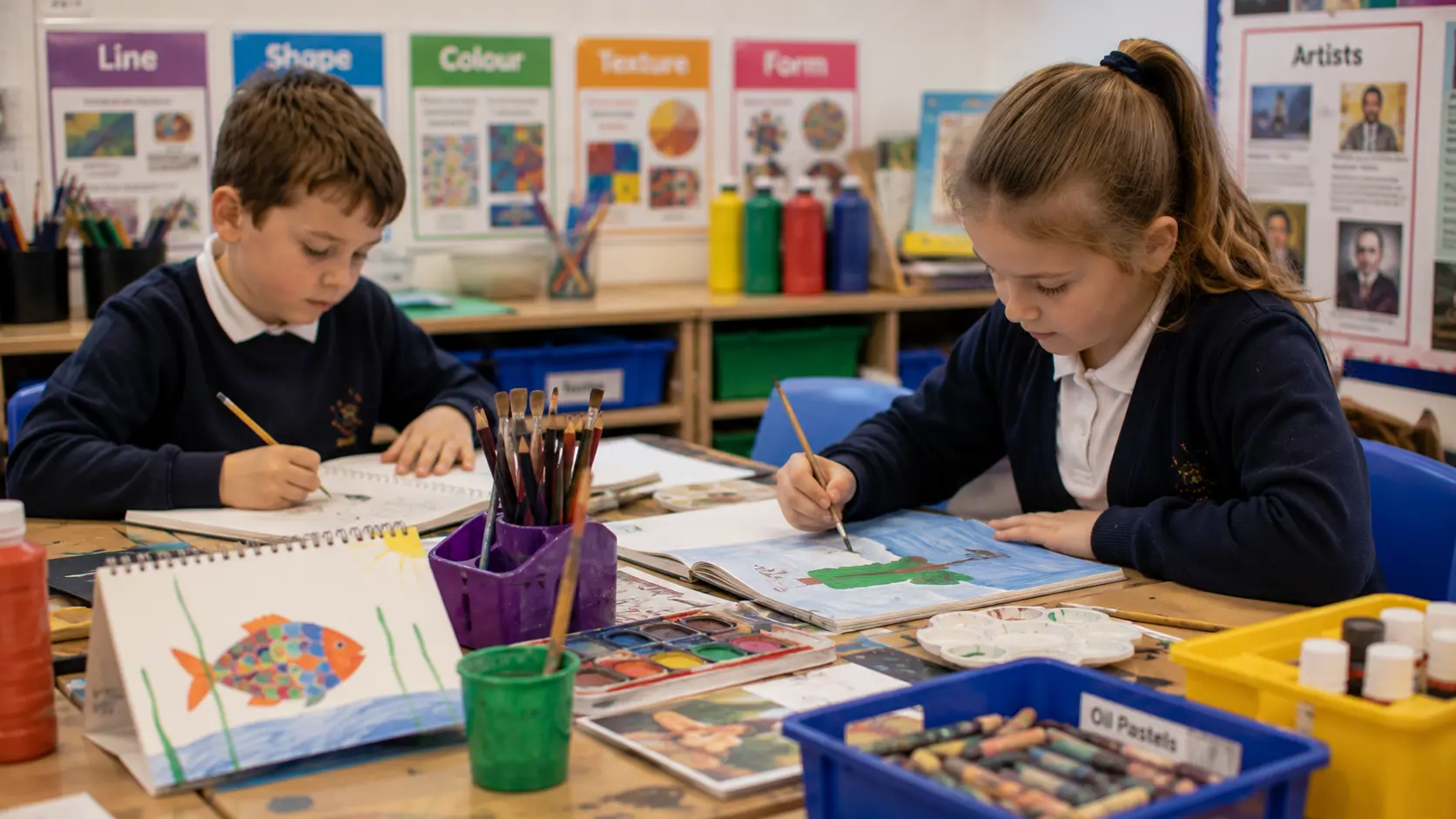
Art and Design in Primary Schools: KS1 and KS2 Curriculum Resources Guide
Art and Design is a statutory subject within the primary curriculum, helping pupils develop creativity, technical skills and cultural understanding. The DfE Art and Design National Curriculum requires children to produce creative work, become proficient in a range of artistic techniques and learn about great artists, craft makers and designers. Choosing the right resources helps schools deliver these requirements effectively while supporting progression from Key Stage 1 through to Key Stage 2.
Jack Clarke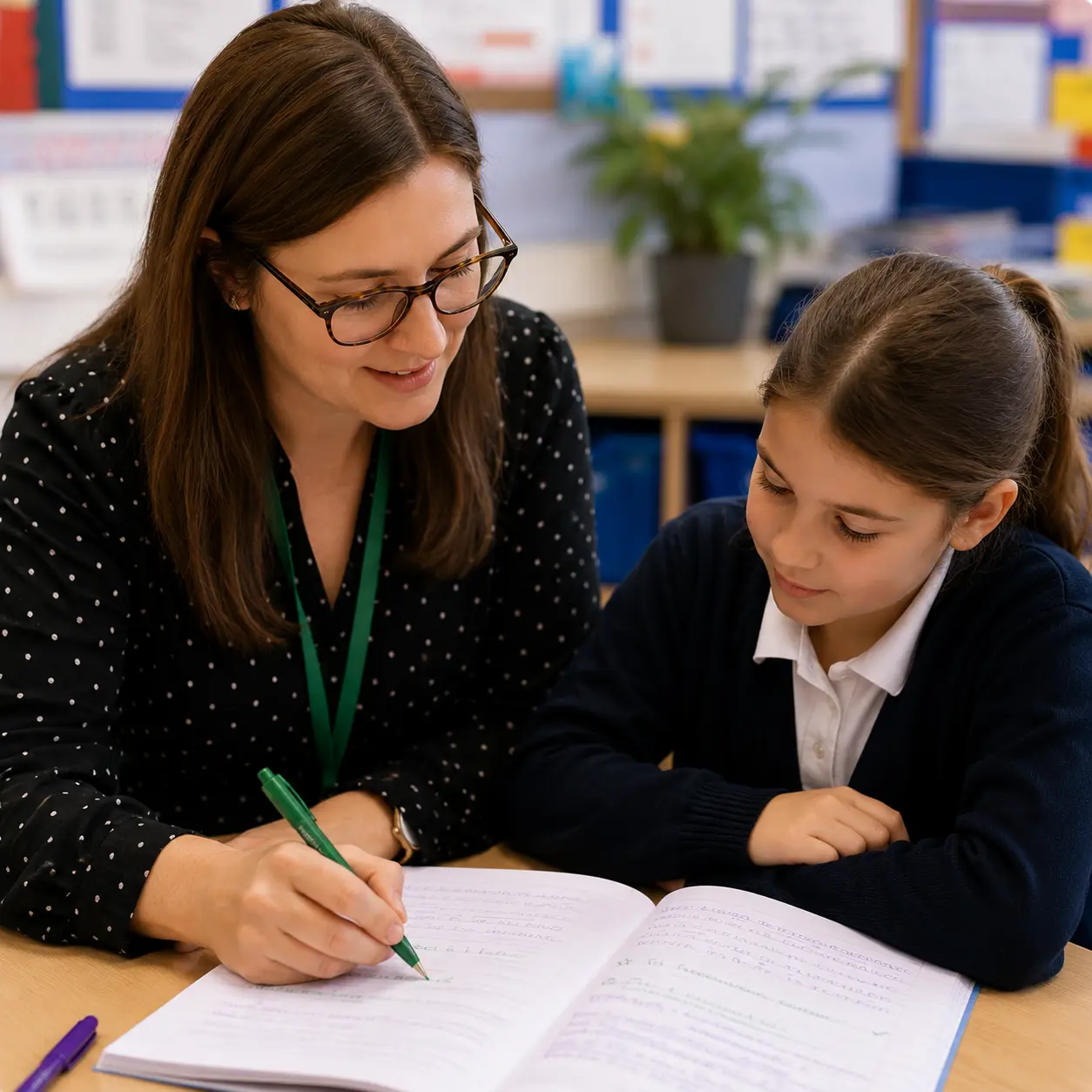
Green, purple and red pens for schools: marking and self-assessment explained
Colour-coded marking systems help pupils understand feedback, take ownership of improvements and make progress visible over time. While green, purple and red pens each serve different purposes, the real value lies in creating a consistent approach that helps pupils engage actively with learning rather than simply receiving feedback.
Jack Clarke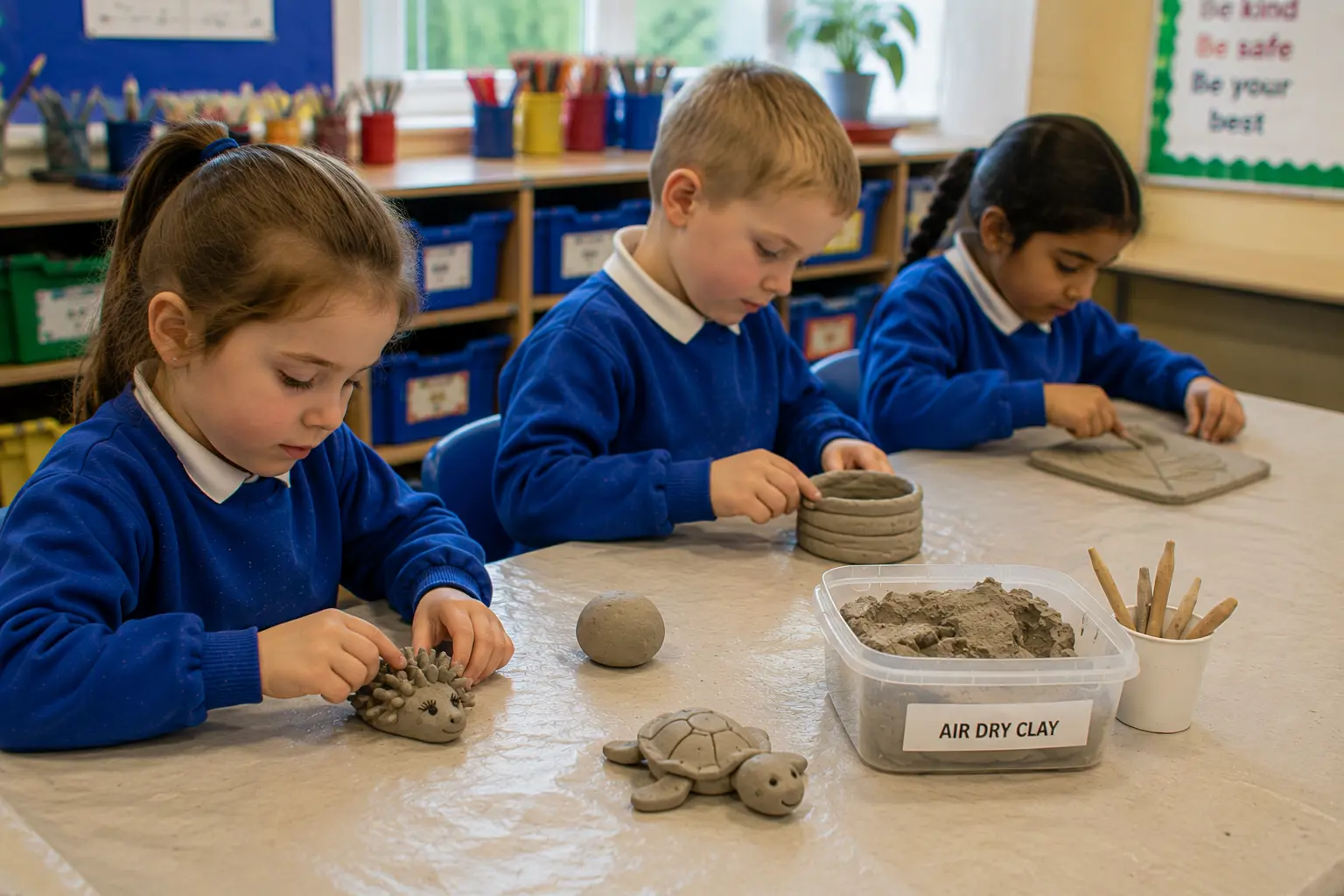
Air Dry Clay for Schools: Everything Teachers Need to Know
Air dry clay is one of the most versatile modelling materials used in primary schools because it allows pupils to create permanent sculptures, models and artwork without requiring a kiln. Suitable for EYFS through to Key Stage 2, it supports creativity, fine motor development and hands-on learning across multiple subjects. When used correctly and stored properly, air dry clay offers an accessible, curriculum-friendly alternative to traditional pottery clay.
Jack Clarke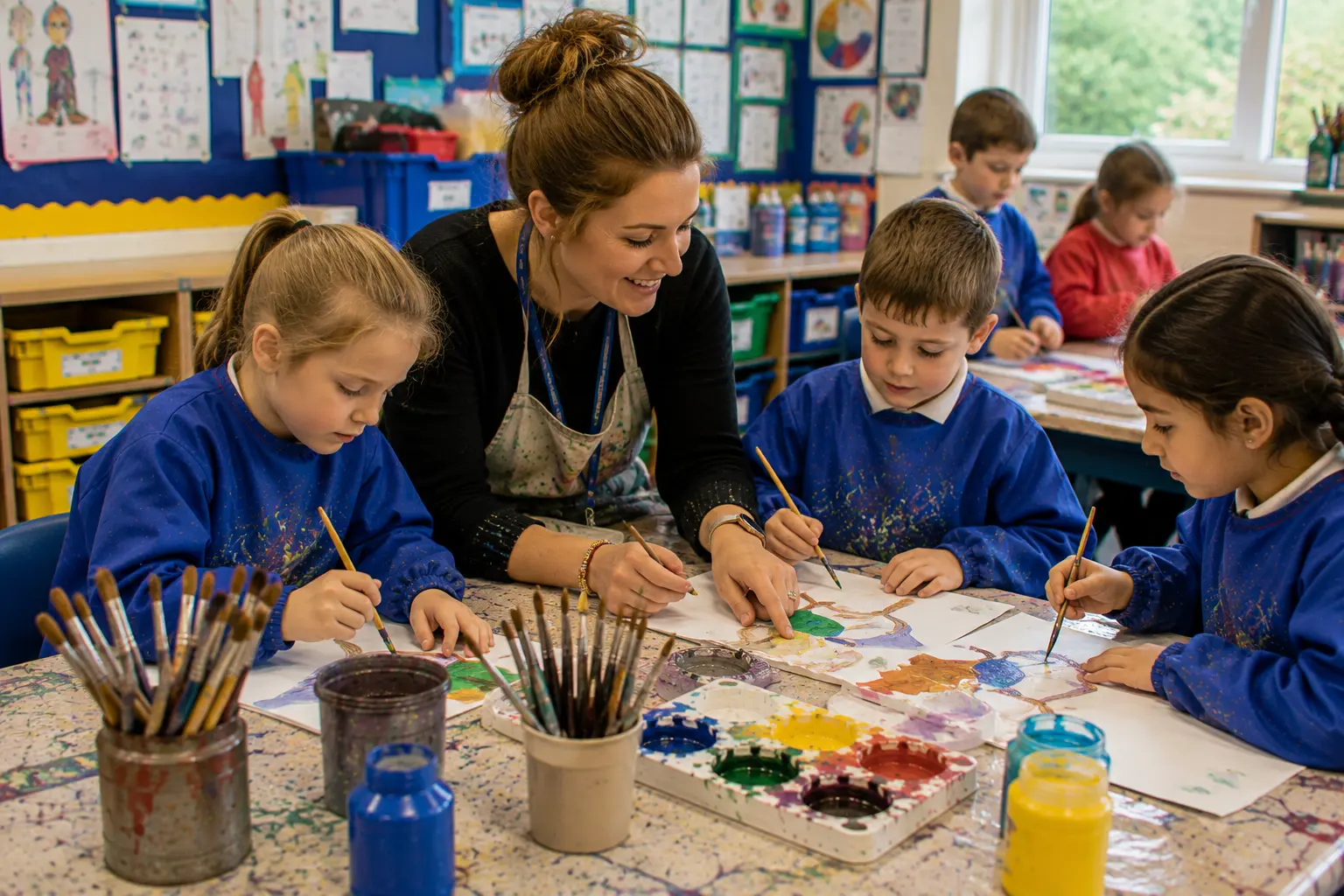
Paint Brushes for Schools: Types, Sizes and How Many to Order
Choosing the right paint brushes helps schools deliver art lessons more effectively while reducing waste and replacement costs. Different brush sizes and types suit different age groups, activities and paint mediums. Most primary schools benefit from a combination of round and flat brushes in a range of sizes, supported by sensible stock planning that balances curriculum needs with long-term value.
Natalie McMunn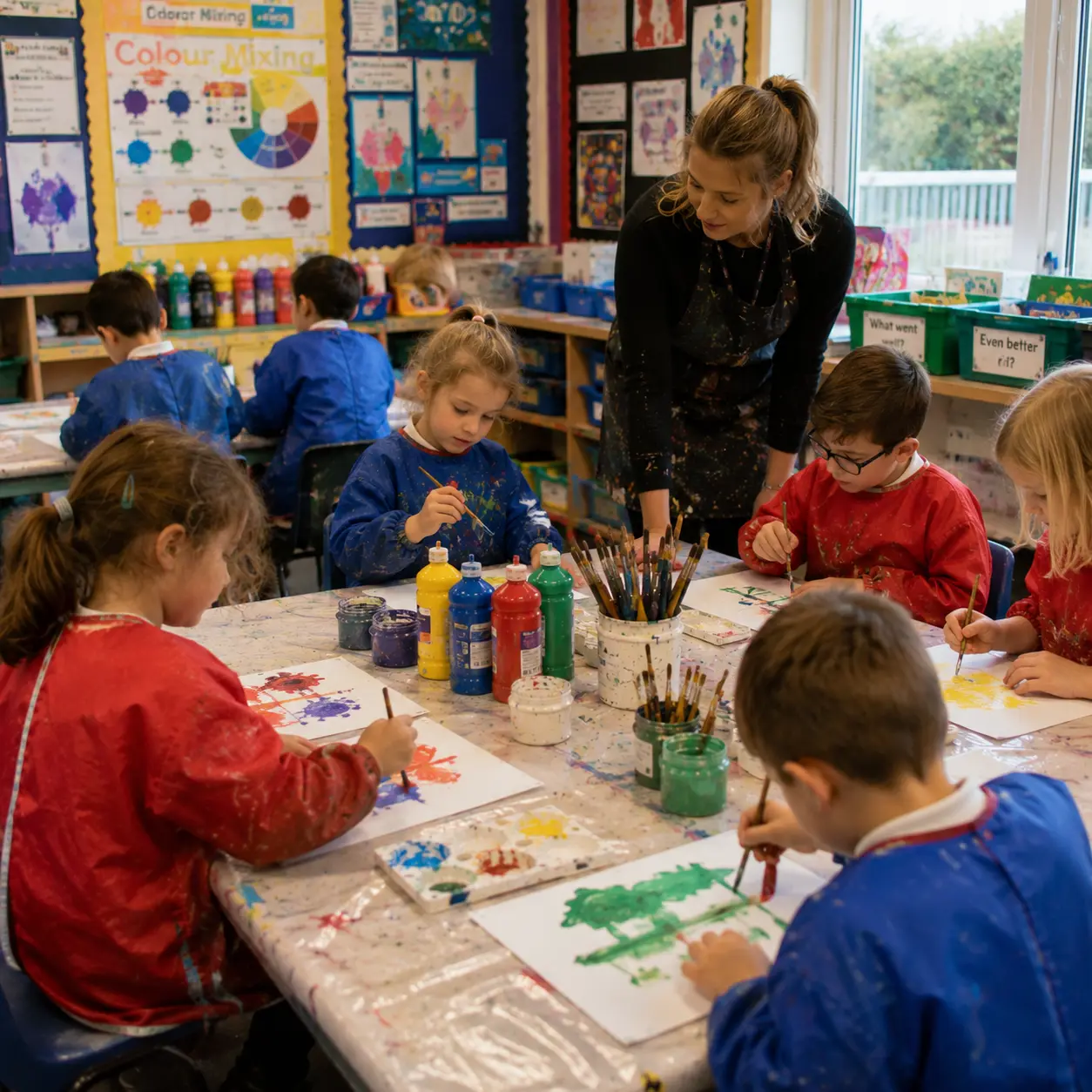
Primary School Paint Guide: Powder, Ready-Mix, Acrylic and Poster Paint Compared
Paint is one of the most frequently used resources in primary schools. From Reception handprints and colour-mixing activities to Year 6 artist studies and collaborative display projects, it supports creativity, experimentation and self-expression across every stage of a child's development. Choosing the right paint is not simply about colour or price. Different paint types serve different educational purposes, and understanding where each works best can help schools reduce waste, manage budgets more effectively and create richer artistic experiences for pupils.
Jack Clarke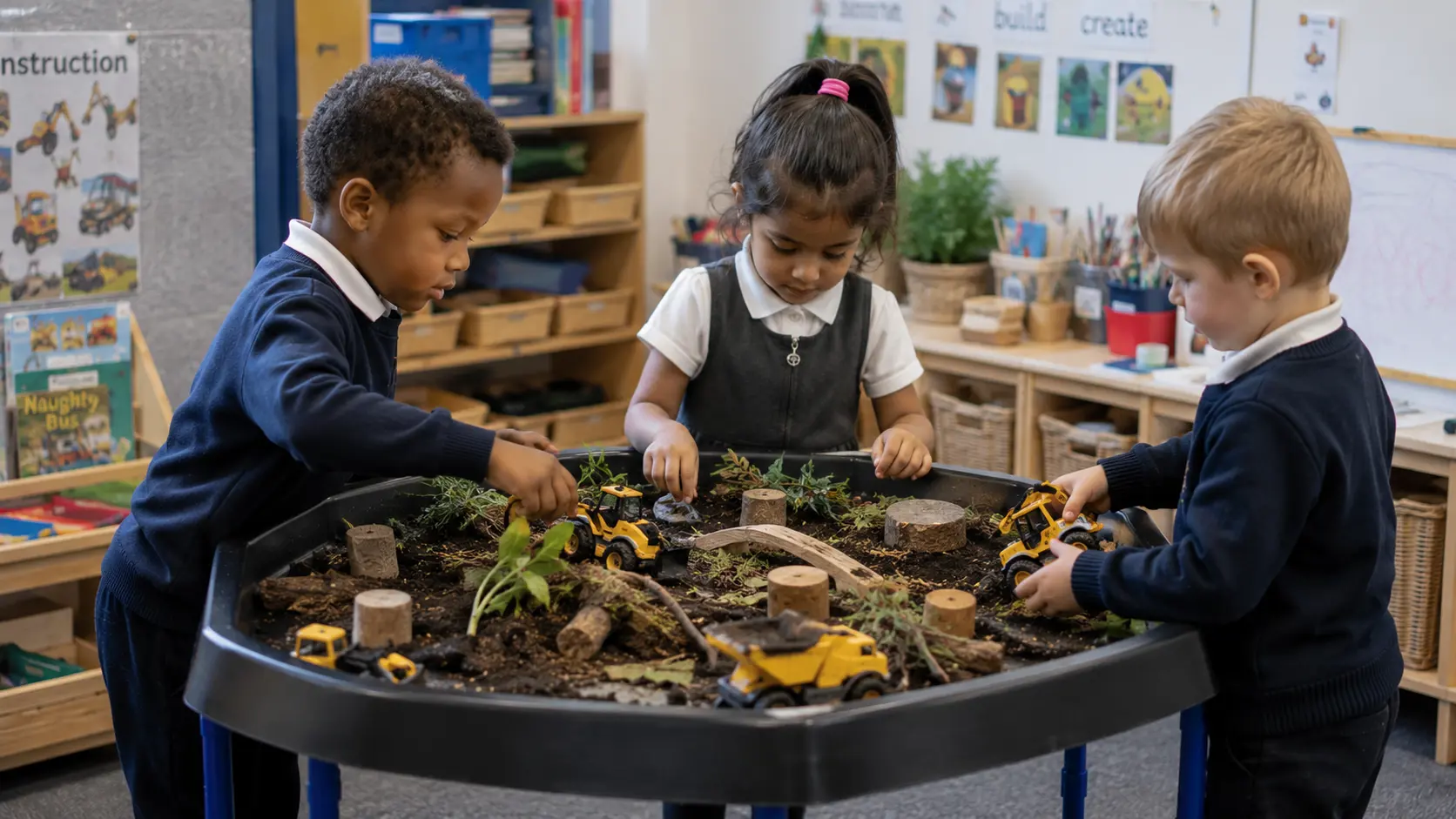
Tuff Trays in Schools: Uses, Sizes and How to Set Them Up
Tuff trays have become one of the most versatile and widely used resources in Early Years classrooms. Supporting everything from sensory exploration and small world play to early mathematics, communication and creative learning, they provide practitioners with a flexible space that can be adapted to children's interests and developmental needs.
Natalie McMunn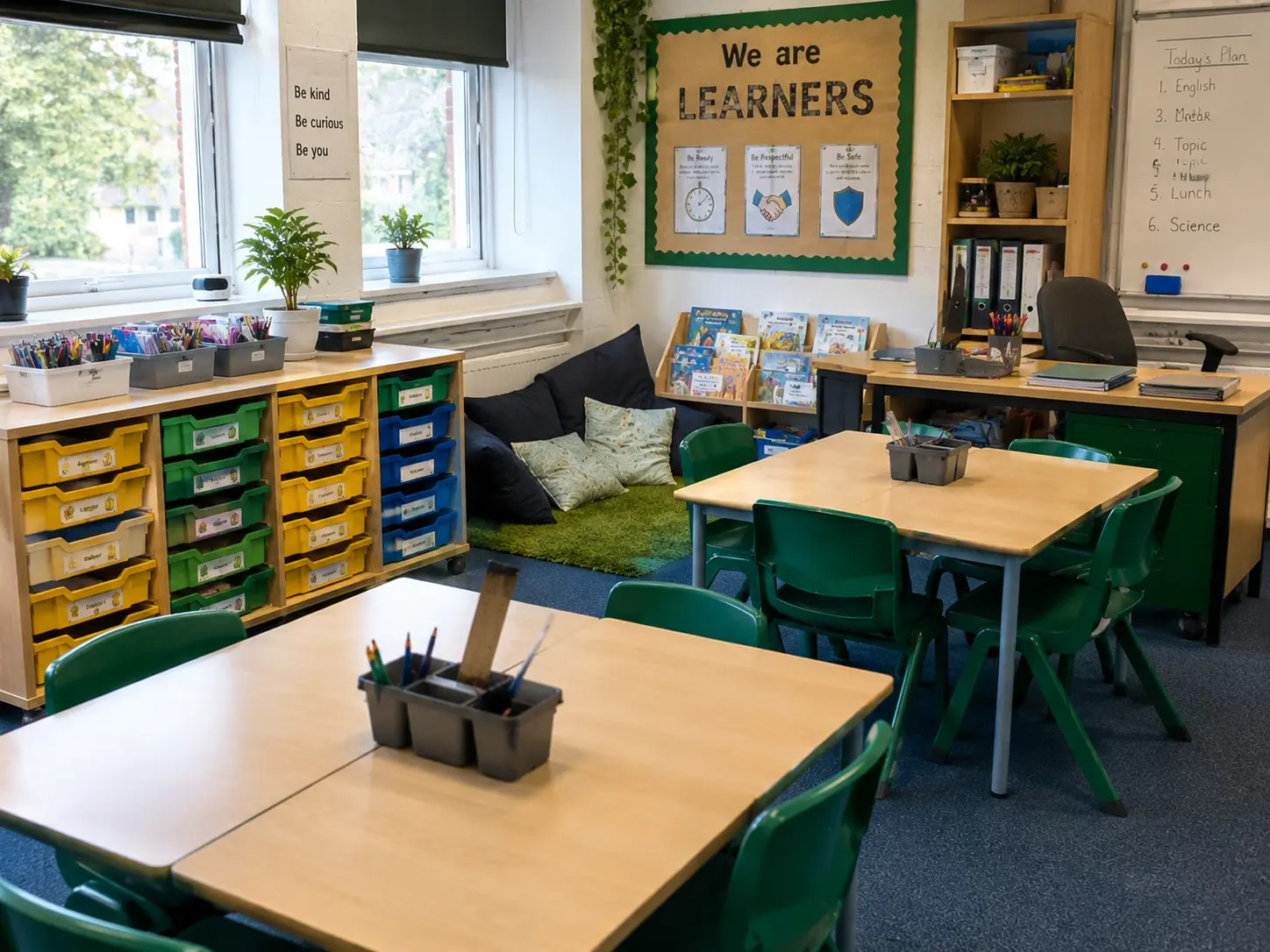
How Classroom Layout Affects Pupil Behaviour and Focus
Classroom layout can have a significant impact on pupil behaviour, concentration and learning outcomes. Research from the University of Salford's Clever Classrooms (HEAD) study, which examined 153 classrooms and 3,766 pupils, found that classroom design factors accounted for 16% of the variation in learning progress. Elements such as organisation, flexibility, lighting, accessibility and furniture layout can influence how effectively pupils engage with learning throughout the school day.
Jack Clarke