
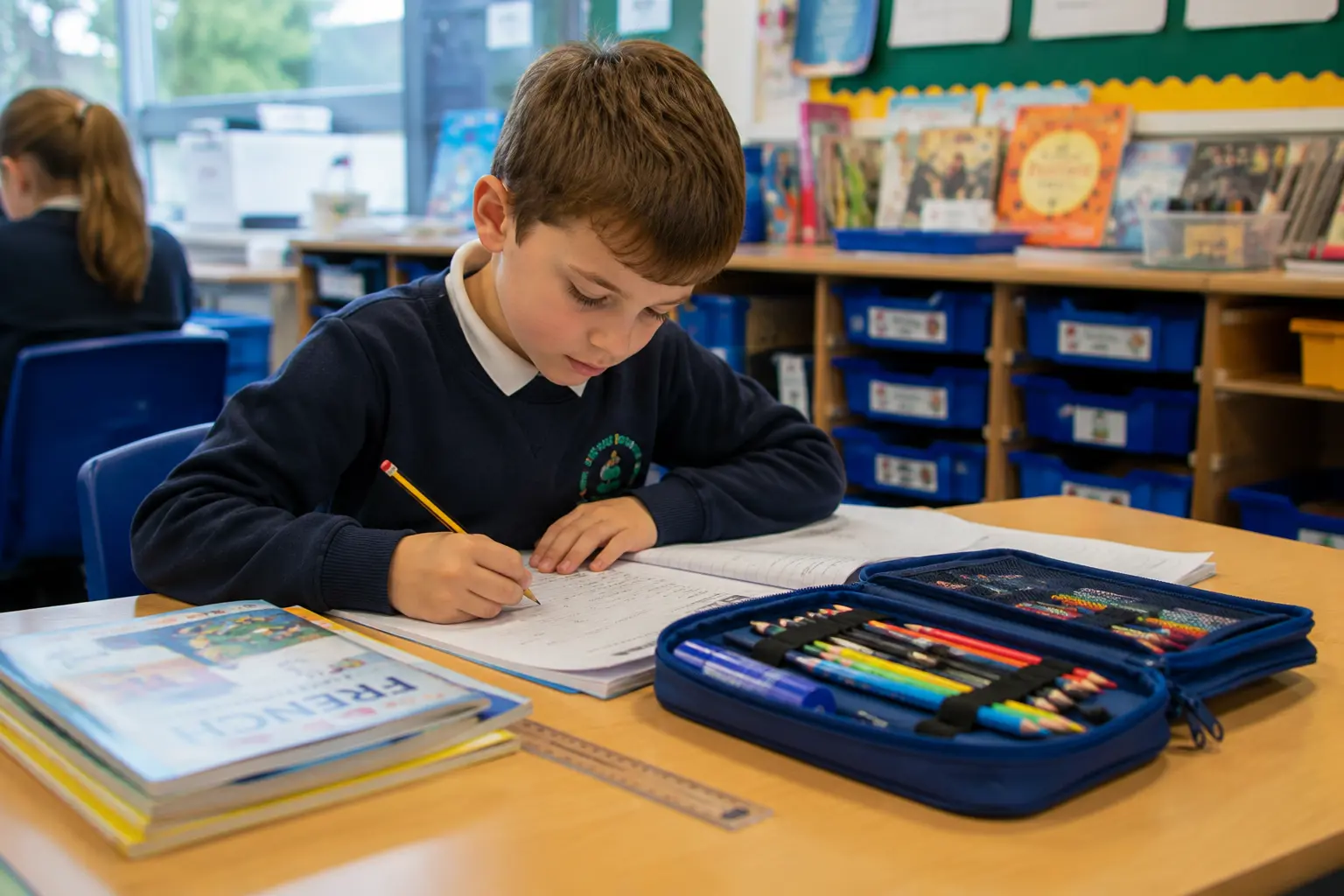
Pencil cases for schools: size guide by year group
The best pencil case size for a pupil depends on their age, classroom requirements and the resources they need to access throughout the school day. While younger pupils often benefit from simple, compact pencil cases, older primary pupils typically require larger, more organised solutions. Choosing the right size can improve classroom organisation, reduce lost equipment and help schools make better use of their stationery budgets.
Natalie McMunn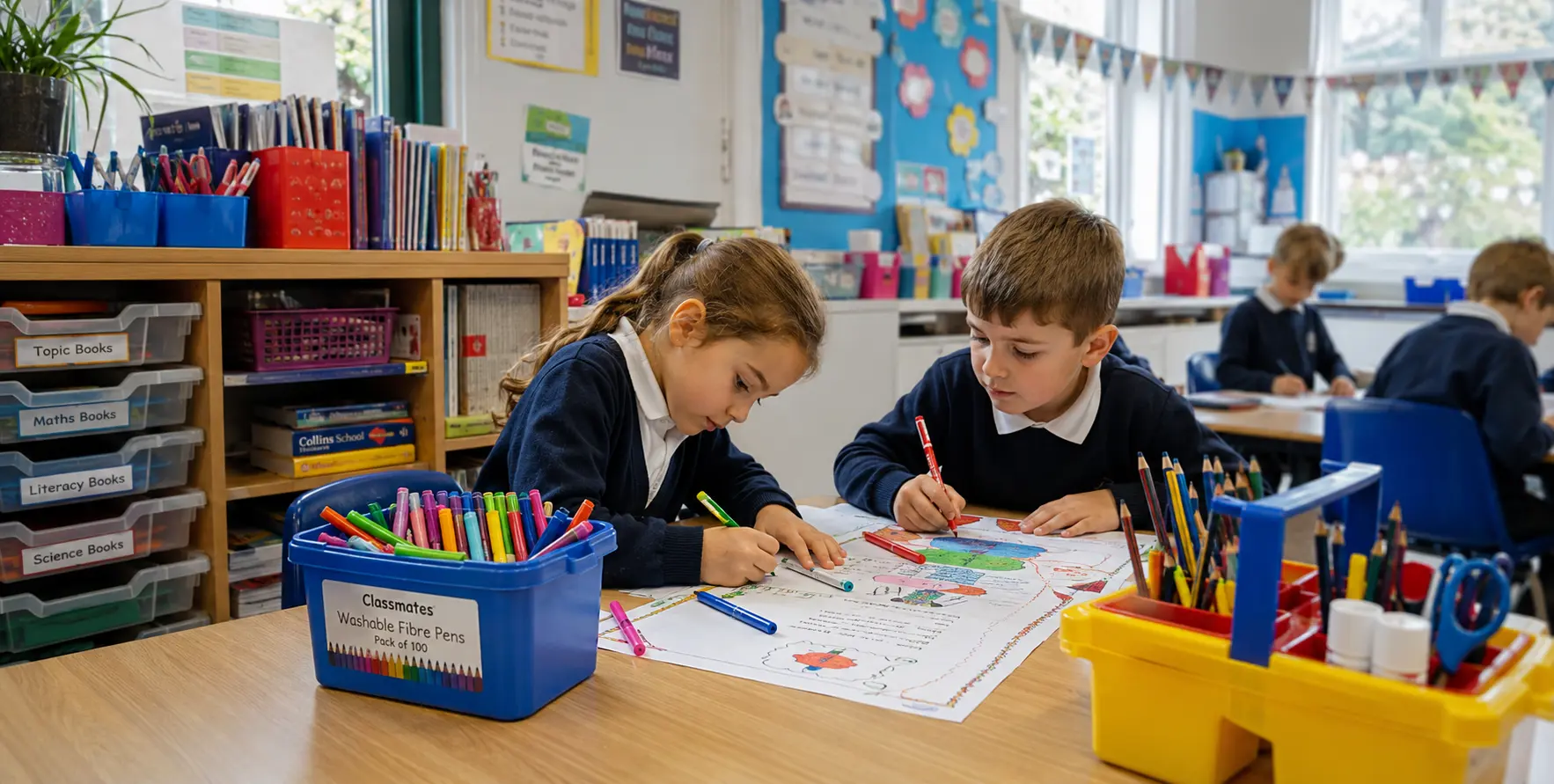
Felt Tip Pens for Primary Schools: Berol vs Classmates and How Many to Buy
Felt tip pens are one of the most frequently used classroom resources in primary schools, supporting everything from early mark-making and art activities to topic work, displays and creative learning. For most schools, the decision is not simply whether to buy felt tips, but which type offers the best balance of quality, durability and value. While Berol remains one of the best-known classroom brands, many schools are increasingly comparing it with education-focused alternatives such as Classmates to manage budgets without compromising the pupil experience.
Carla Bonner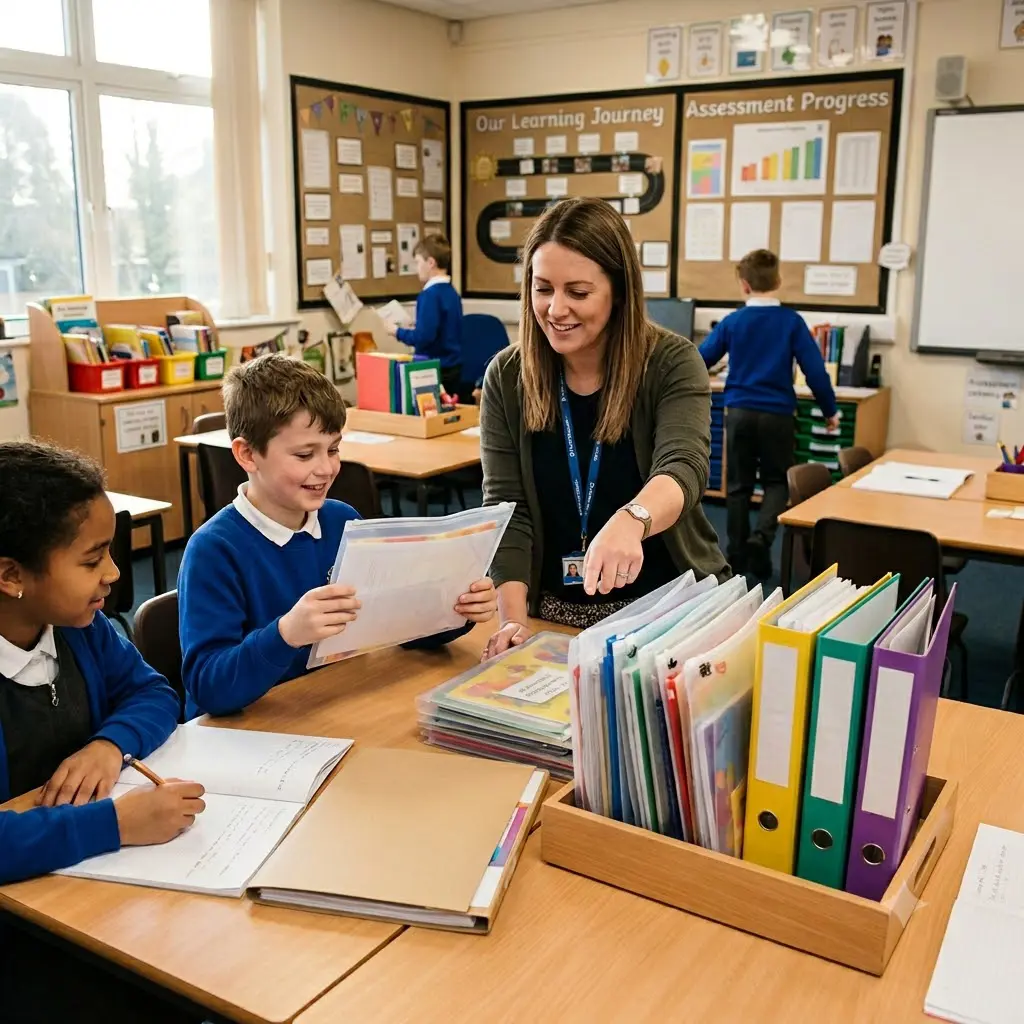
Folders and Plastic Wallets for Schools: What to Buy and How Many
Folders and plastic wallets are more than simple stationery supplies. They help schools organise learning, support assessment, improve home-school communication and reduce administrative workload. Choosing the right types and quantities can help schools create more consistent systems, reduce unnecessary spending and ensure important information remains accessible when it is needed most.
Natalie McMunn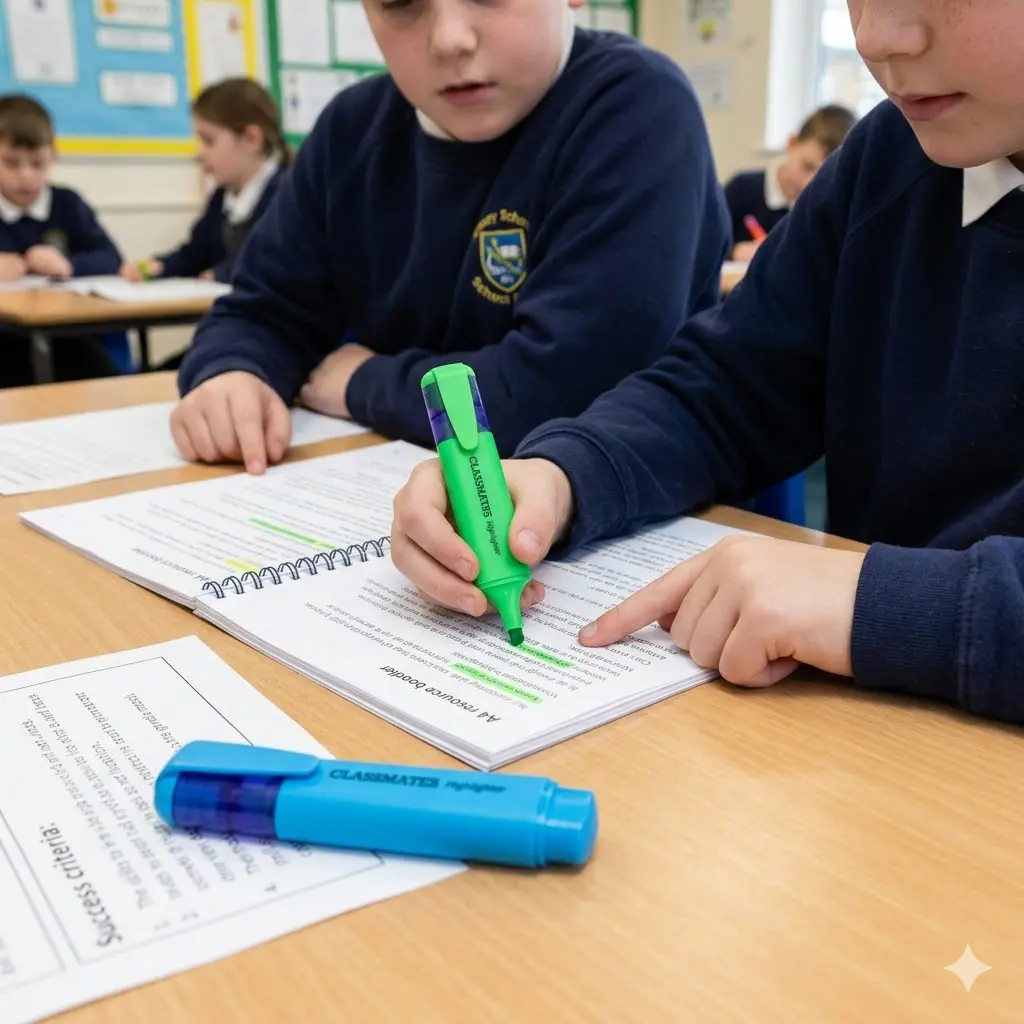
Highlighters for primary schools: classroom packs, colours and teacher use
Highlighters are a simple but powerful classroom tool. Used effectively, they help pupils identify key information, engage with feedback, organise their thinking and become more independent learners. For schools, the challenge is not choosing the brightest colour or the most recognisable brand, but creating consistent systems that support learning while keeping classroom resources easy to manage and cost-effective to replenish.
Carla Bonner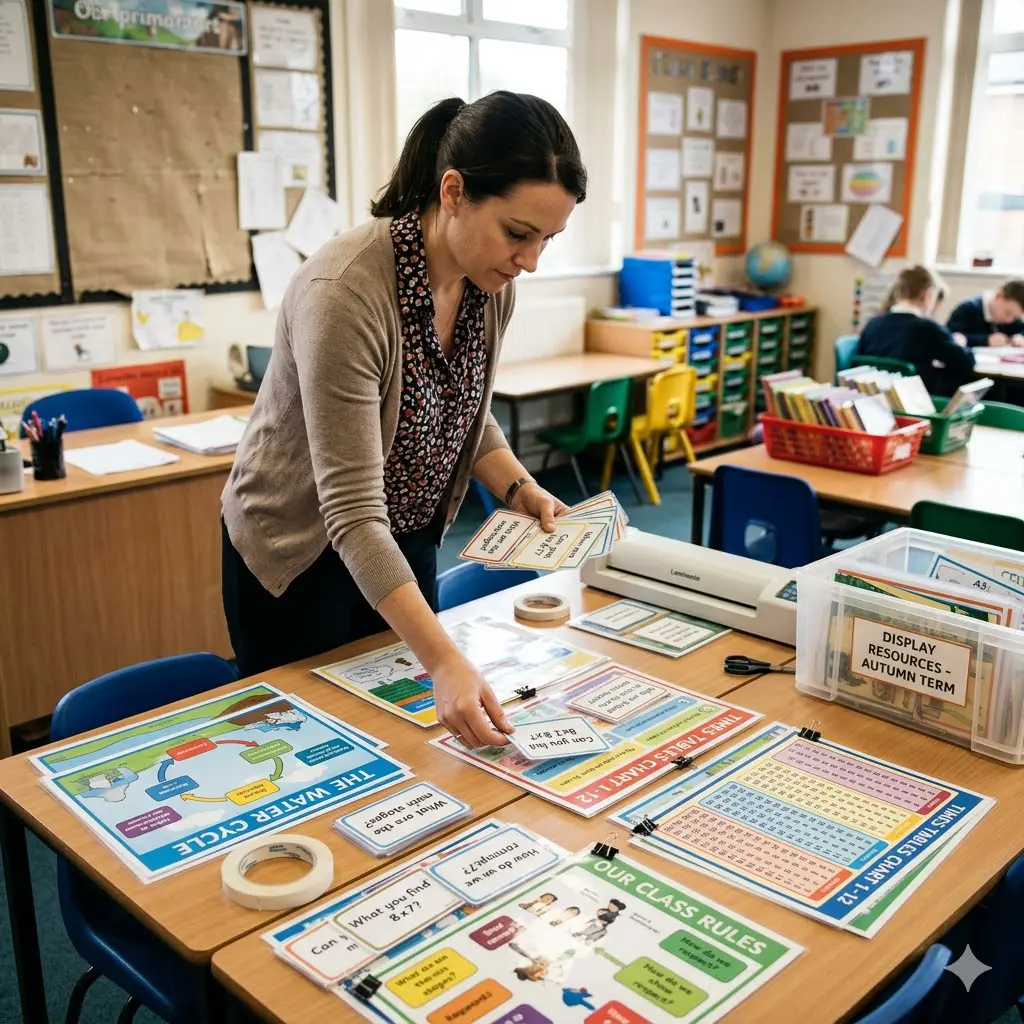
Laminating Pouches for Schools: Sizes, Thicknesses and Quantities Explained
The right laminating pouch can help schools save money, reduce teacher workload and extend the lifespan of valuable learning resources. Understanding which sizes, thicknesses and quantities are best suited to different educational settings allows schools to make informed decisions that support both budgets and classroom outcomes.
Carla Bonner
Staplers, Hole Punches and Desk Essentials for Schools
Staplers, hole punches and everyday desk essentials rarely feature in school improvement plans, yet they play a crucial role in the smooth running of classrooms. From preparing learning resources and organising assessment materials to supporting administrative tasks, these small tools are used hundreds of times each week across a typical school. When they fail, go missing or need replacing regularly, the impact is often felt through increased staff workload, unnecessary spending and avoidable interruptions to teaching and learning.
Carla Bonner
Handwriting Pens for Primary Schools: A Complete Buying Guide
The best handwriting pens for primary schools are those that support pupils' stage of handwriting development, align with whole-school expectations and provide a reliable writing experience across the curriculum. Most schools introduce handwriting pens once pupils demonstrate consistent letter formation, joins and presentation, with fibre-tip and rollerball pens often proving the most effective options for developing confident, fluent writers.
Natalie McMunn
How to Reduce Your School's Stationery Budget Without Cutting Quality
Reducing a school's stationery budget does not have to mean compromising quality. By improving procurement, standardising resources and focusing on long-term value, schools can reduce costs while ensuring classrooms remain fully equipped and ready to learn.
Natalie McMunn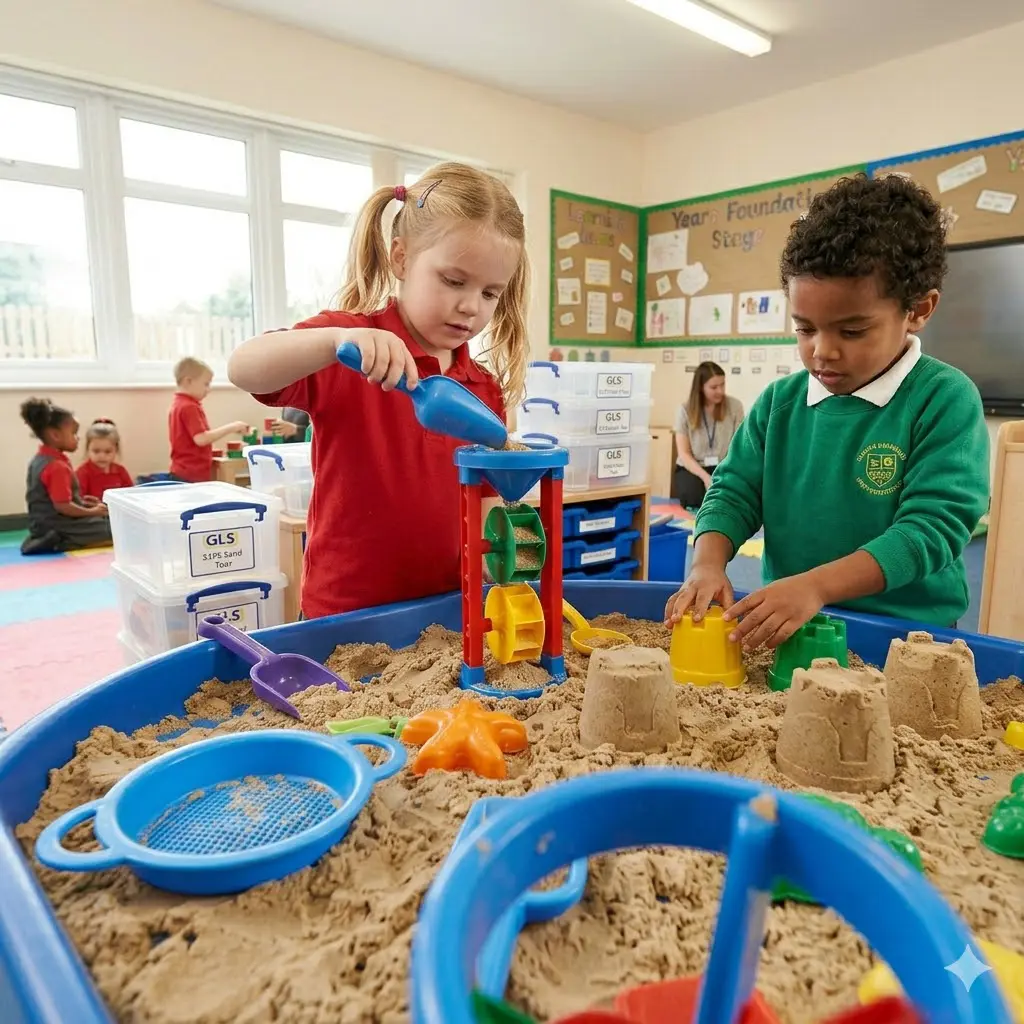
Sand play resources for EYFS: trays, accessories and learning ideas
Sand play remains one of the most valuable and versatile areas within an Early Years environment. Far more than a sensory activity, a well-planned sand area supports communication, physical development, mathematical thinking and scientific exploration. Whether used indoors as part of continuous provision or outdoors within a larger learning environment, the right combination of trays, resources and practitioner interaction can transform simple sand play into a rich source of learning opportunities across the EYFS curriculum.
Carla Bonner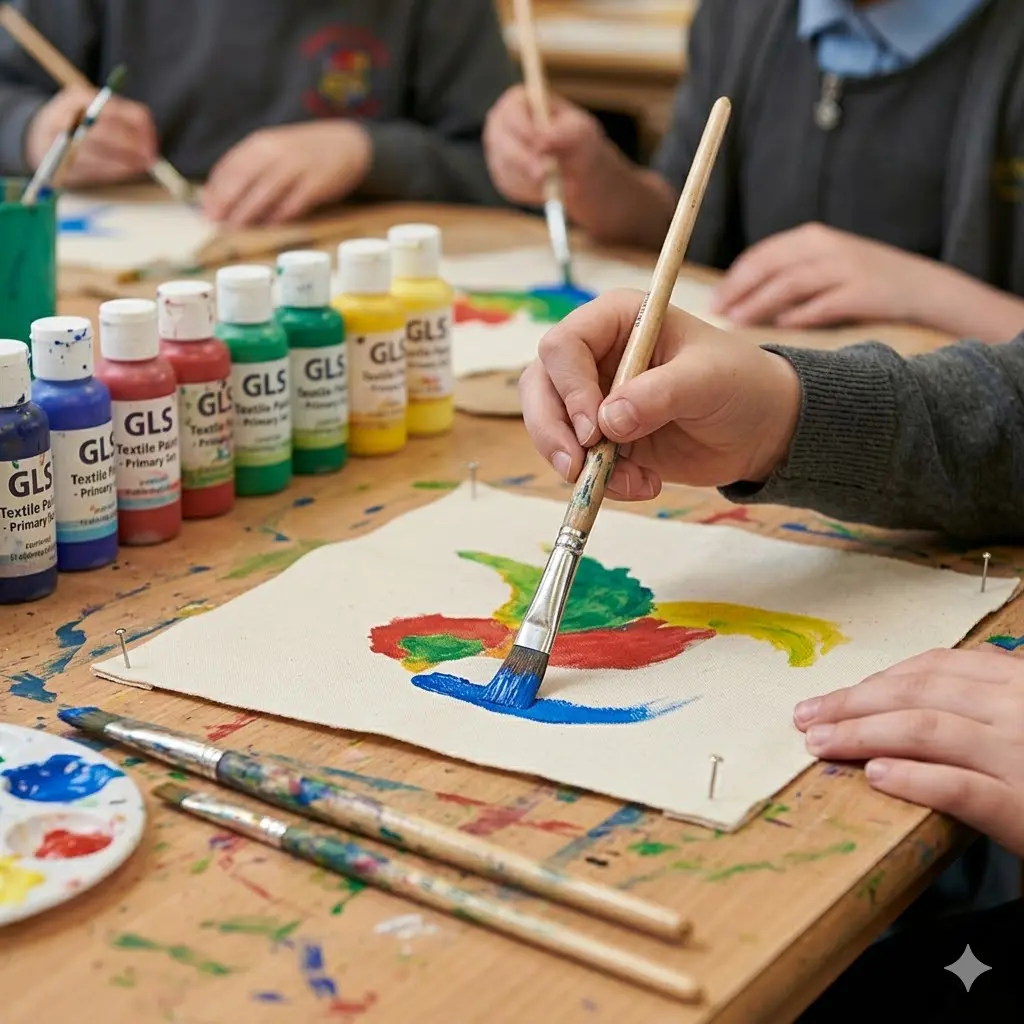
Fabric paint for schools: safe choices, quantities and application guide
Fabric paint gives pupils the opportunity to create artwork that lasts beyond the lesson. From collaborative banners and cultural celebrations to artist-inspired textile projects, fabric painting helps children explore creativity in new ways while developing confidence, fine motor skills and design skills. Choosing the right fabric paint helps schools deliver these experiences safely, successfully and with minimal disruption.
Natalie McMunn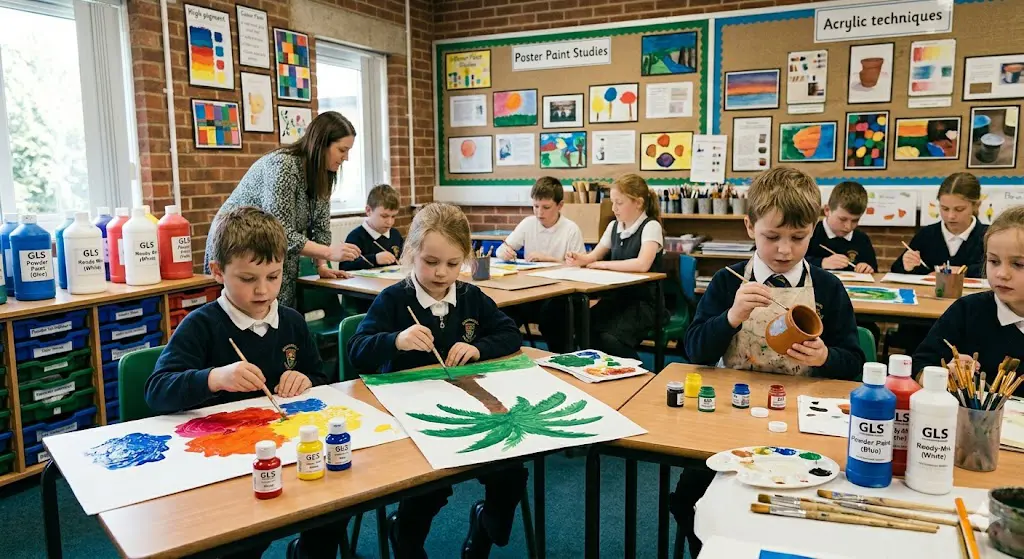
School paint guide: powder, ready-mix, acrylic and poster paint compared
Paint supports creativity, artistic development and hands-on learning throughout primary school. Selecting the right paint type can help schools improve value, reduce waste and enhance art lessons.
Jack Clarke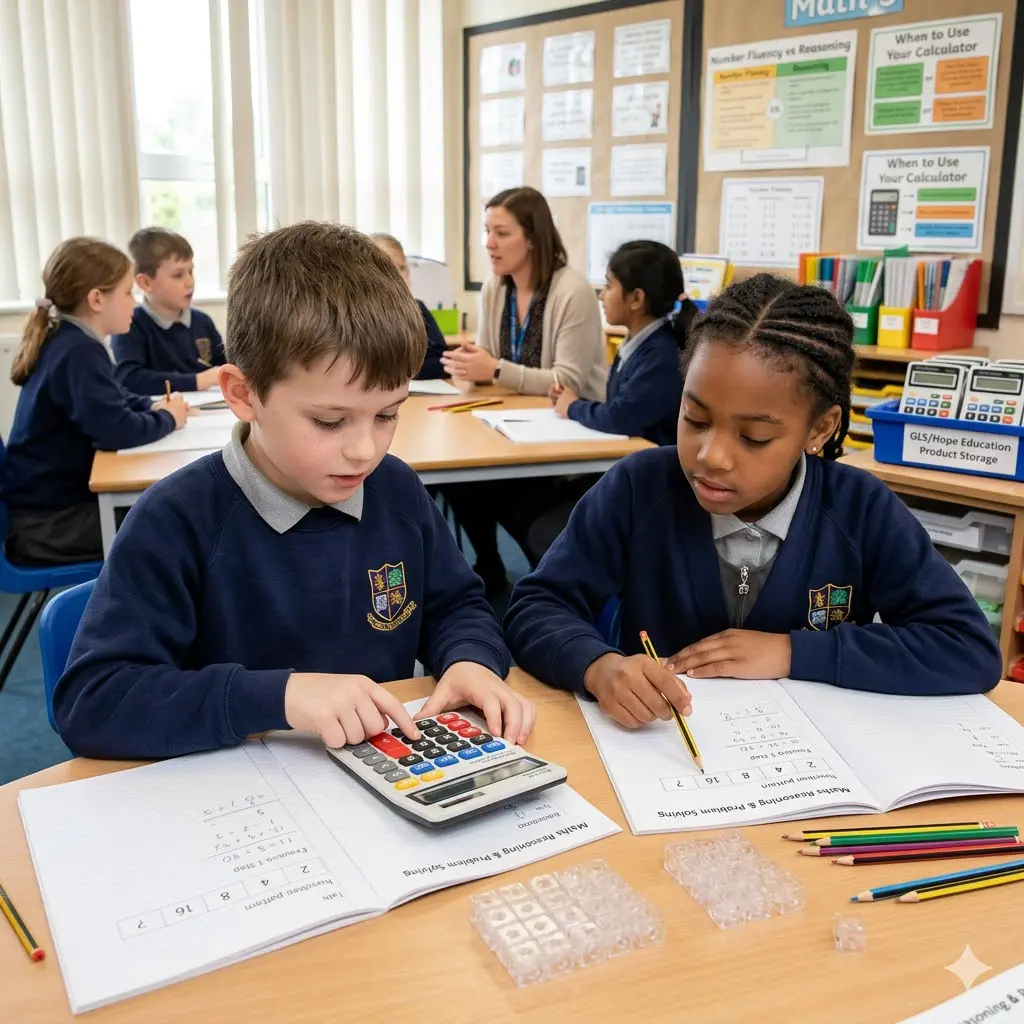
Calculators for Primary Schools: Which Type for Which Key Stage?
Primary schools do need calculators, but not for every lesson or every year group. The right calculator depends on pupils' age, mathematical understanding and curriculum requirements.
Natalie McMunn