
SBM & Procurement for Schools
Optimize school procurement with data-led insights for SBMs and finance leaders. Secure value for money, reduce administrative workloads, and maximize school resources through eProcurement frameworks, MAT-wide ordering strategy, and seamless finance system integrations designed to support compliant, strategic spending throughout the academic year.
GLS supports School Business Managers, finance teams and procurement leaders with practical solutions that help schools secure value for money, reduce administrative workload and make informed purchasing decisions. From stationery procurement and supplier evaluation to budget planning, framework agreements, eProcurement, finance system integrations and MAT-wide ordering, this hub brings together data-led guidance, procurement tools and operational insights to help schools maximise resources while supporting teaching and learning.
School procurement has become increasingly complex. Budget pressures, increased accountability, rising costs and growing Multi-Academy Trust structures mean procurement decisions now influence far more than purchasing outcomes. Effective procurement affects operational efficiency, staff workload, compliance, financial planning and the quality of resources available to pupils.
This hub is designed to answer the most common procurement questions asked by School Business Managers while providing practical tools, benchmarks and frameworks that can support better decision-making throughout the academic year.
Core Procurement Insights
Why are schools adopting eProcurement?
Schools are increasingly adopting eProcurement systems to improve visibility, strengthen financial controls and reduce administrative workload. Traditional procurement processes often rely on manual approvals, email chains and disconnected systems, which can make it difficult to track spending and maintain consistent oversight.
By contrast, eProcurement platforms provide a structured process for managing purchasing activity, approvals, supplier information and reporting. For School Business Managers, this can help reduce paperwork, improve audit readiness and provide greater confidence that purchasing decisions align with budgets and procurement policies.
For Multi-Academy Trusts, eProcurement can also support central oversight by creating more consistent procurement processes across multiple schools while maintaining local purchasing flexibility where required.
How can schools achieve better value from procurement decisions?
Effective procurement is about more than securing the lowest price. ISBL guidance consistently emphasises value for money, supplier reliability, quality and operational efficiency.
Many schools focus on unit cost when comparing products. However, total cost of ownership often provides a more accurate picture. Factors such as durability, replacement rates, delivery reliability, administration time and supplier support all influence overall value.
Procurement Priorities:
- Value for Money
- Supplier Reliability
- Compliance
- Operational Efficiency
- Quality Assurance
- Long-Term Planning
The most successful schools typically combine proactive planning, supplier evaluation and purchasing consistency rather than relying on reactive ordering.
How do finance system integrations support procurement?
Many schools use dedicated finance systems to manage budgets, reporting and financial administration. Procurement systems can often integrate with these platforms to provide a more connected view of purchasing activity.
Some schools and trusts use finance management systems such as IRIS Financials, SAP and other education finance solutions as part of their wider financial management processes. While the specific functionality varies between systems, integrations are typically designed to:
- Improve budget visibility
- Reduce duplicate data entry
- Support financial reporting
- Strengthen approval processes
- Improve audit trails
- Help align procurement activity with financial planning
For School Business Managers, the value often comes from having procurement and finance information working together rather than being managed separately. This can support more informed decision-making and provide greater confidence when monitoring budgets throughout the academic year.
How much could schools save by switching to Classmates?
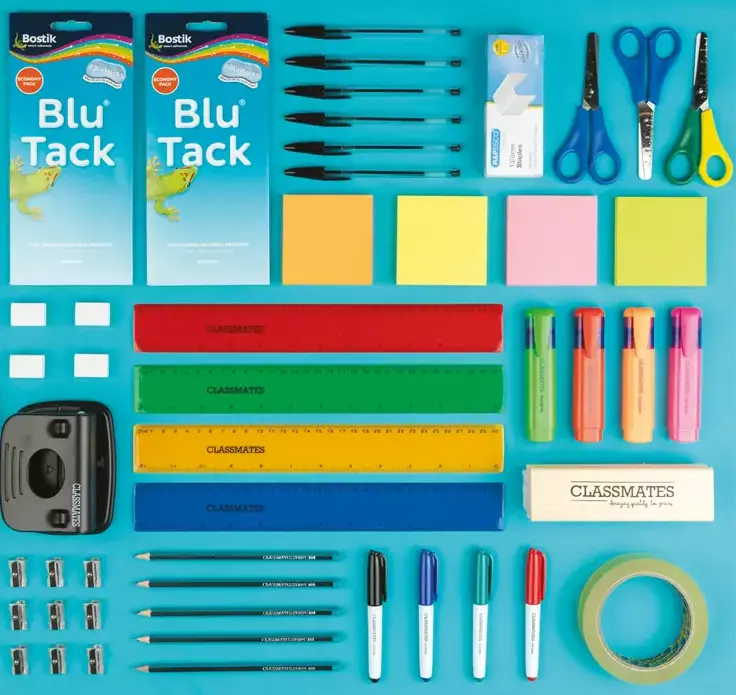
Classmates is one of the strongest commercial opportunities within this hub because it directly addresses a common SBM question: can we reduce costs without reducing quality? Many schools compare individual item prices but overlook annual replacement costs. Comparing spend at classroom, year-group and school level often provides a more meaningful assessment.
Only GLS can provide genuine Classmates comparison data using first-party purchasing insight and customer ordering patterns.
How much should schools budget for supplies per pupil?
This is one of the most common procurement questions asked by School Business Managers.
There is no single correct answer because spending varies according to school size, curriculum priorities, pupil demographics, SEND provision and purchasing strategy. However, benchmarking can help schools understand whether spending is broadly in line with comparable settings.
Per-Pupil Spend Benchmarks Factors Affecting Spend:
- Pupil numbers
- Curriculum priorities
- SEND requirements
- Specialist provision
- Procurement strategy
- MAT purchasing arrangements
How can MATs simplify procurement across multiple schools?
Multi-Academy Trust procurement presents challenges that individual schools often do not face.
Common MAT Procurement Challenges:
- Multiple ordering processes
- Inconsistent purchasing
- Limited visibility
- Duplicate ordering
- Reduced buying power
GLS Share Basket Benefits:
- Collaborative ordering
- Central visibility
- Improved oversight
- Standardisation
- Trust-wide efficiency
As trusts grow, procurement becomes increasingly dependent on visibility and consistency. Many MATs are now exploring centralised procurement processes, shared supplier frameworks and digital approval workflows to improve governance and reduce duplication.
Finance system integrations and eProcurement tools can also support trust-wide reporting, purchasing oversight and budget visibility.
What are framework agreements and how do schools use them?
Framework agreements provide compliant routes to market that help schools purchase goods and services efficiently.
Framework agreements can reduce procurement workload because suppliers have already been assessed against predetermined criteria. This allows schools to focus on suitability, value and operational requirements rather than repeating extensive procurement exercises.
Key Terms:
- Framework Agreement – Pre-approved supplier arrangement
- Direct Award – Purchase from approved supplier
- Further Competition – Additional evaluation
- Compliance – Governance support
RM6278 is the current Crown Commercial Service framework relevant to education supplies.
Source: Crown Commercial Service.How should schools evaluate suppliers beyond headline discounts?
The lowest quoted price does not always deliver the best value.
A supplier evaluation framework should include:
- Product quality
- Availability
- Delivery performance
- Customer support
- Procurement tools
- Sustainability credentials
- Compliance support
- Total cost of ownership
Schools should also consider how easily suppliers fit into existing procurement processes and whether they support efficient ordering and reporting.
Which procurement tools can reduce administration?
Administrative workload is one of the most overlooked procurement costs.
GLS Smart Tools:
- Repeat Order
- Share Basket
- Wishlist
- Quick Order
These tools help reduce repetitive purchasing activity and improve consistency.
Alongside these tools, many schools are now using:
- Digital approval workflows
- eProcurement platforms
- Finance system integrations
- Purchase-to-pay processes
- Procurement reporting tools
How can eProcurement and finance system integrations reduce school workload?
eProcurement refers to the use of digital systems to manage purchasing, approvals, supplier management and reporting. Many schools are moving towards digital procurement because it helps reduce administration, improve visibility and strengthen governance.
Benefits of eProcurement:
- Centralised purchasing
- Improved budget visibility
- Digital approvals
- Better reporting
- Stronger audit trails
- Reduced paperwork
How do finance integrations help?
Finance integrations connect purchasing activity with wider budgeting and reporting systems. This can reduce duplication, improve accuracy and support more informed decision-making.
Schools and trusts may use systems such as IRIS, SAP or other finance platforms as part of their wider financial management processes. The specific platform is often less important than ensuring procurement activity aligns with budgeting, approvals and reporting requirements.
Digital approval workflows help ensure spending is reviewed appropriately before orders are placed. This can strengthen governance and improve financial oversight.
For MATs, eProcurement can support:
- Trust-wide visibility
- Consistent procurement processes
- Central reporting
- Improved supplier management
- Better purchasing control
eProcurement Readiness Checklist:
- Approval routes defined
- Budget owners identified
- Reporting requirements agreed
- Integration requirements documented
- Governance responsibilities established
What is a purchase-to-pay process?
Purchase-to-pay (P2P) describes the complete procurement journey from identifying a requirement through to final payment and reporting.
A typical school purchase-to-pay process may include:
| Stage | Purpose |
|---|---|
| Requisition | Identify a purchasing need |
| Approval | Confirm budget availability and authorisation |
| Purchase Order | Create and issue an order |
| Delivery | Receive goods or services |
| Invoice Processing | Match invoices to orders |
| Reporting | Review spending and budget performance |
Digital procurement systems can help automate parts of this process, reducing administration while improving visibility and accountability.
When should schools order supplies for the academic year?
July is often the most effective time for schools to place major back-to-school orders.
Planning procurement before the summer holidays helps schools:
- Avoid emergency purchasing
- Improve stock visibility
- Reduce September workload
- Secure resources before demand peaks
Annual Procurement Calendar
- Autumn – Usage review and replenishment
- Spring – Budget forecasting
- Summer – September planning and major ordering
September Preparation Timeline
- May – Initial review
- June – Budget planning
- July – Main ordering period
- August – Delivery preparation
- September – Final adjustments

School winter break checklist
We have created a school winter break checklist that you can implement to assist you with maintaining cleanliness, tackling germs and preventing the cold weather.

Saving money on school trips
Explore these smart strategies for school business managers to save money on school trips.

How to keep on top of energy bills
Check out these simple tricks that can help to reduce a school’s energy consumption

How to create cost and time efficiencies in the school procurement process
Read our guide on how gls can aid in creating cost and time efficiencies in the school procurement process.

How to work with teachers as a school business manager
Insight into working with teachers as a school business manager by Sarah Jones & Philippa Leah.

How to prepare for an Ofsted inspection
Tips, advice and a checklist that can help you organise and prepare for an Ofsted inspection.

How to plan and organise work for business leaders
Why the importance of planning and organising will help develop skills and effective ways to organise work for business leaders.

How to deal with 5 FAQs from over-enthusiastic parents
Check out these 5 FAQs and tips on dealing with over-engaging parents due to their constant questioning

£22.5 Million Boost for After-School Clubs – Extending Learning Beyond the Classroom
The Prime Minister has announced £22.5 million to expand after-school clubs in up to 400 schools as part of an £88 million youth-services package. The aim is to help children develop confidence and connection through creative and physical activities.
Nigel Hunter
How SBM’s can prep for exam season
Check out our prep tips for ways in which SBMs can prep for exam season.

How Glebe Primary's SBM Freed up Time
Jo Gathern, SBM at Glebe Primary School, discusses how she is saving everyone’s time and her school money.

How do i make a case to get on my SLT
Train with a positive mindset and make a case to get on your SLT - by Helen Burge
Frequently Asked Questions
How can schools reduce procurement costs?
Schools usually achieve the greatest savings through planning, supplier evaluation, reducing waste and improving consistency rather than simply choosing the lowest-priced product.
What is value for money in school procurement?
Value for money considers quality, reliability, service levels and long-term costs alongside initial purchase price.
How much should schools spend on supplies per pupil?
This varies considerably between settings. Benchmarking data can help schools assess whether spending levels are broadly aligned with comparable schools.
What is a framework agreement?
A framework agreement is a compliant route to market that allows schools to purchase from pre-approved suppliers.
What is RM6278?
RM6278 is the Crown Commercial Service framework covering education supplies procurement.
How can MATs improve procurement efficiency?
Standardisation, central oversight, collaborative purchasing and procurement visibility can significantly improve efficiency.
Why should schools review procurement every term?
Regular reviews help identify savings opportunities, improve forecasting and prevent budget surprises.
What procurement tools reduce workload?
Repeat Order, Share Basket, Wishlist, Quick Order and digital procurement tools can all reduce administration.
How should schools compare suppliers?
Schools should compare quality, service, reliability, compliance, operational fit and value rather than price alone.
When should schools order stationery for September?
For most schools, July provides the best opportunity to review stock levels and prepare for the new academic year.
What is eProcurement?
eProcurement is the use of digital systems to manage procurement activity, approvals, supplier management and reporting.
Can procurement systems integrate with finance software?
Many procurement systems can integrate with finance platforms to improve reporting, visibility and efficiency.
Do schools use systems such as IRIS or SAP?
Some schools and trusts use IRIS, SAP and similar finance systems as part of their wider financial management processes.
What are digital approval workflows?
Digital approval workflows route purchasing requests through predefined approval processes before orders are placed.
How can eProcurement support MAT procurement?
eProcurement can improve visibility, reporting, consistency and governance across multiple schools.
Can procurement systems integrate with IRIS Financials or SAP?
Many procurement platforms can integrate with wider finance systems, including solutions used by schools and trusts. Integration capabilities vary between providers and systems, but the aim is typically to improve budget visibility, reduce manual administration and create a more connected procurement and finance workflow. Schools considering new procurement technology should always confirm compatibility and reporting requirements before implementation.