
How to care for your school garden
Published on 11/07/2025 in Wellbeing & School Community
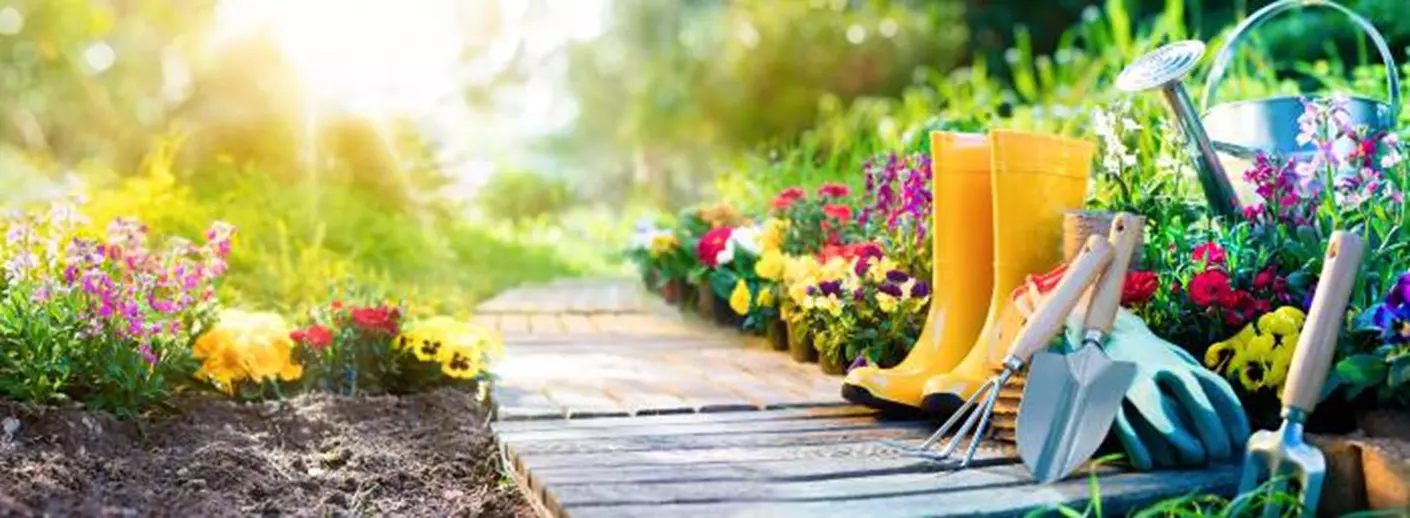
Summer is almost here, and that means school holidays are on the horizon. National gardening week encourages more people to take part in the healthy and productive outdoor activity of gardening. It is the UK’s largest celebration of gardening. It is an excellent time for young families, children and new gardeners to get involved and learn about gardening.
Whether your school already has a beautiful garden or you’re looking for ideas to get started, we’ve put together a handy blog including tips for supporting your well-being at work through gardening.
How to care for your school garden
A school garden is a great way to get kids involved from an early age and can teach children the importance of caring for the environment, check out our outdoor gardening for early years equipment here. Getting kids involved in gardening has a bigger effect on children from an early age as they go through physical, emotional and social development in their childhood.
We know that busy SBMs are often overwhelmed with the challenges of managing not just one garden but several at once. School gardens can be more complicated to look after than a home garden because they're larger and have more varied areas of growth. Starting out with a small garden will be more manageable and don't forget it'll need looking after during the school holidays too!
Here are five tips on how to care for your garden during the holidays:
Tip 1: Harvest everything before the holidays
If there isn’t going to be much activity in the school garden during the summer, it might make sense to plant a garden in late May or early June that will be ready for harvest in autumn. Start by harvesting everything in the last few days before the school holiday starts, whether it's seed planting for flowers, vegetables or fruits.
Tip 2: Get fresh compost ready for when your plants come back after the holidays
Before your vegetable plants disappear over winter, give them a good feed with fresh multipurpose compost. You could turn your vegetable patch into a no-dig garden if you have enough time.
Tip 3: Ensure to cut any grass and remove weeds
Doing this before the school holidays will ensure your school garden is kept tidy and the plants flourish. The removal of weeds is very important to your school garden as they can kill plants if they are overgrown.
In getting this done, your school garden will flourish and look perfect for when you return to school. Make sure to keep this maintenance going throughout the holidays too.
Tip 4: Find volunteers to help you
Create a schedule so that the garden is checked regularly. Involve parents and teachers in maintaining the garden. Aim to find members with a passion for gardening. Not only this will benefit the school garden, but it will have a therapeutic benefit. This will help make sure your school garden is clean and well maintained, ready for crops to grow in the summer.
Tip 5: Plant health check
Whether you are transplanting plants or growing your own seed, make sure to inspect the plants to prevent pests. Having an infected plant can harm the whole garden. Aside from plant infections, bugs can be eliminated using the pesticides.
Managing and caring for a school garden may seem like a lot of work but building a community of support can be a great help to keep the garden in top shape. Before you start planning for your summer holidays, take a moment to refresh yourself on how to care for your garden at school.
Frequently Asked Questions (FAQs) – Caring for a School Garden
Why is gardening important in schools?
School gardening supports children’s physical, emotional and social development while teaching responsibility, teamwork and environmental awareness. It also promotes wellbeing for staff and pupils by encouraging outdoor activity and connection with nature.
What age groups benefit most from school gardening?
All age groups benefit from gardening, but it has a particularly positive impact on early years and primary-aged children. Gardening activities support fine and gross motor skills, sensory development and early understanding of the natural world.
How can schools maintain gardens during the summer holidays?
Schools can maintain gardens over the holidays by:
Harvesting crops before the holidays begin
Preparing soil with fresh compost
Cutting grass and removing weeds
Creating a volunteer rota
Carrying out regular plant health checks
Planning ahead is key to keeping gardens healthy.
Who should be responsible for looking after the school garden?
While SBMs often oversee planning, maintaining a school garden works best as a shared responsibility. Teachers, parents, volunteers and even pupils can help through scheduled check-ins and gardening sessions.
How do you manage a school garden with limited time?
Starting with a small, manageable garden is ideal. Low-maintenance planting, no-dig beds and clear maintenance schedules can reduce workload and make upkeep more achievable for busy school staff.
Should school gardens be maintained during holidays?
Yes. Even minimal maintenance during school holidays helps prevent weeds, pests and plant loss. A simple rota or volunteer system can ensure the garden remains healthy and ready for use when term resumes.
How can schools involve parents and the community?
Parents and community members can volunteer to help with watering, weeding and harvesting. Involving people who enjoy gardening builds a supportive network and helps ensure the garden is cared for throughout the year.
How do you keep school garden plants healthy?
Regular checks for pests and disease are essential. Remove infected plants promptly and use child-safe pest control methods where needed. Healthy soil and proper spacing also help prevent problems.
Is gardening good for staff wellbeing?
Yes. Gardening is known to reduce stress, improve mood and support overall wellbeing. Taking part in garden maintenance or outdoor activities can provide staff with a calming break from day-to-day pressures.
What should schools plant before the summer holidays?
Schools should consider planting crops that can be harvested in autumn or low-maintenance plants that can withstand reduced care. Planning planting times around the school calendar helps maximise success.