
Brushes guide.
Can’t figure out which paint brush to use?
Our guide will help you choose the perfect brush and teach you how to care for it. Check out our paint brushes range for art class by following the link.

White round synthetic sable.
Suitable for water-colour, oil and acrylic paints. They combine a traditional spring with a fine flexible point and are used for a variety of painting techniques, including glass, silk, and pottery painting.
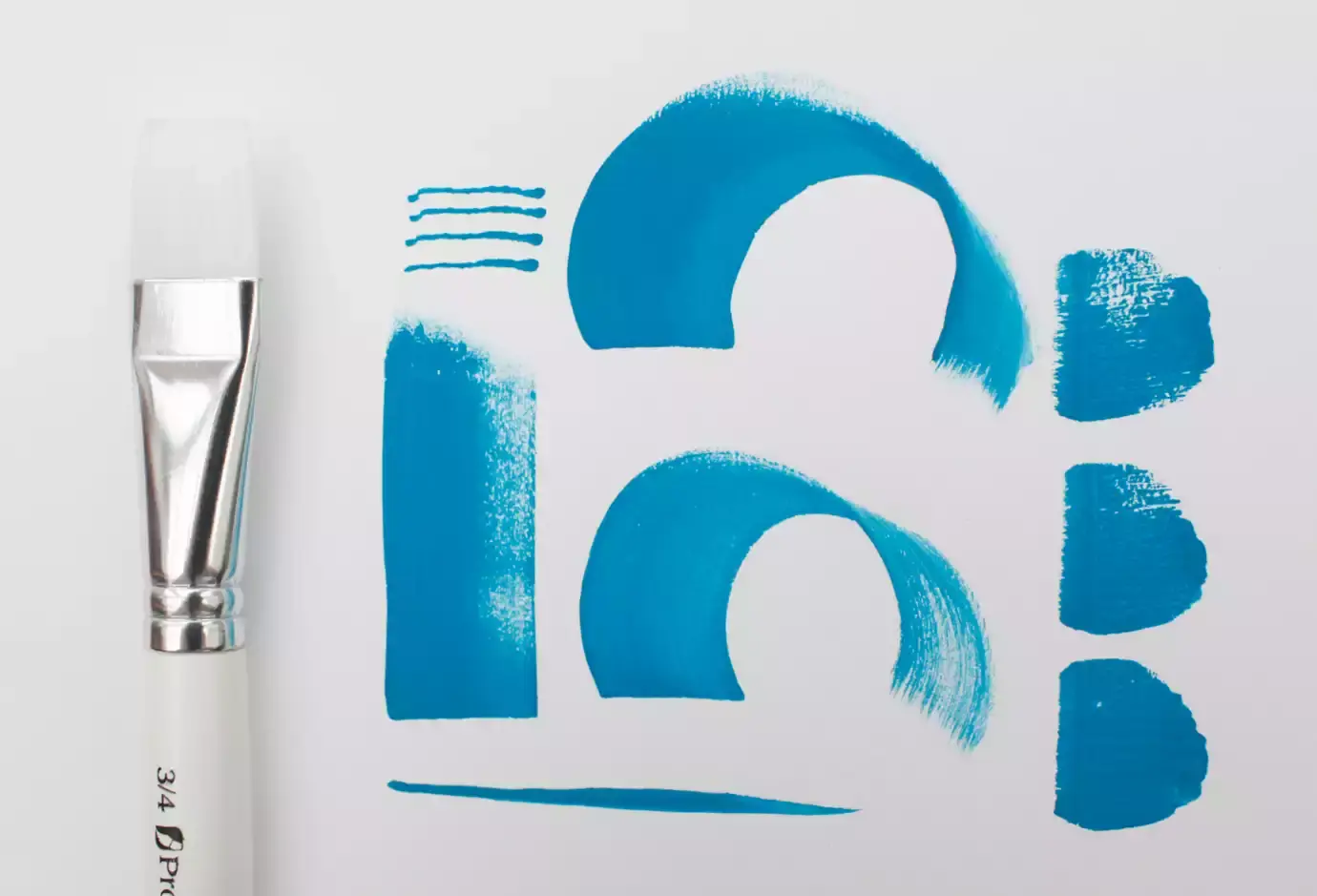
Large flat head brush.
Creates a broad brushstroke, but if you turn it so you’re leading with the narrow edge, it’ll produce thin brushstrokes.
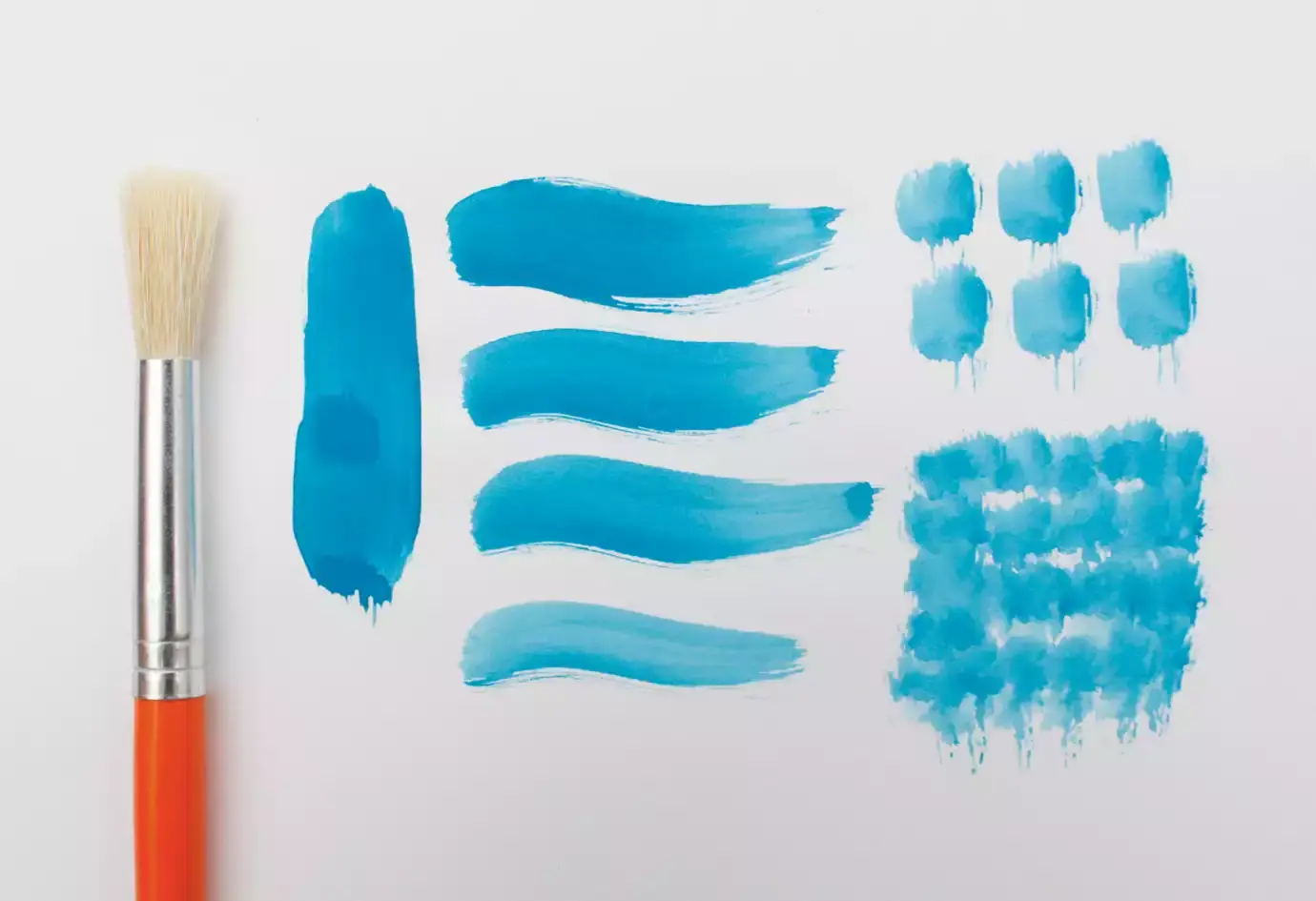
Hog hair round brush.
The hair is firm and durable and suitable for use with most kinds of paints. Ideal for younger children.
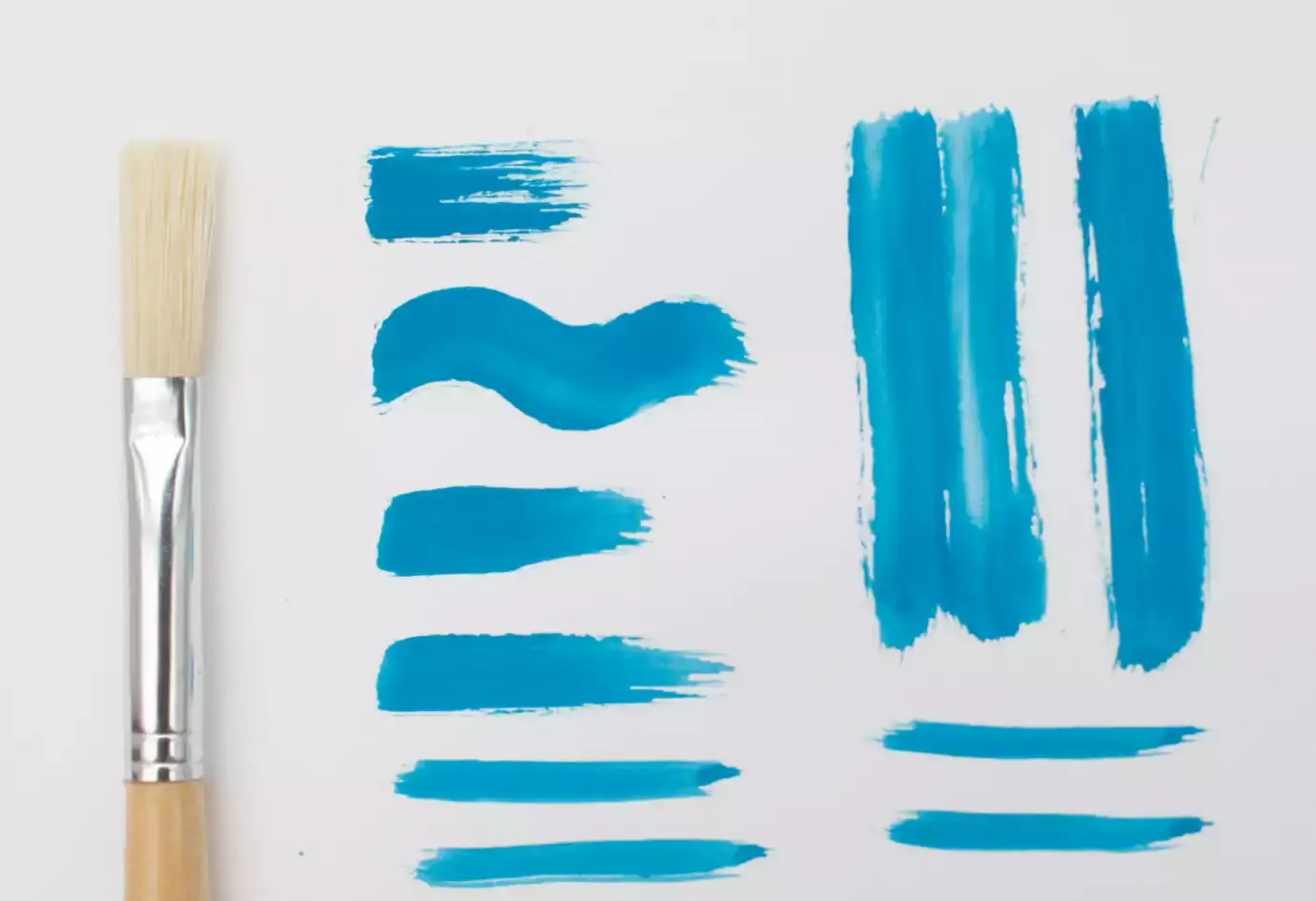
Hog hair flat brush.
The hair is firm and durable and suitable for use with most kinds of paints. Can produce broad or fine brushstrokes.
Storage and care tips.
• Do not store brushes in cramped quarters where the hairs can get bent out of shape and break.
• Be gentle when using colour blocks, coarse scrubbing can damage the hairs and force paint into the ferrule.
• Clean brushes immediately after use.
• Try not to soak handles. Wetting handles will cause cracking and loosening of the ferrules. Dry handles after every cleaning and store flat or hanging.
Cleaning Brushes
Water-based media - Rinse the brush several times in clean water. Lather up the brush and swirl it around in the palm of your hand, then rinse.
Other media - Rinse the brush in solvent. Wipe the brush back and forth on paper towels or rags to work the solvent throughout the brush and remove all colour.
Stay up to date with gls
Sign up to be the first to hear about new arrivals, offers and events.
Enter your email address below to opt in to email marketing.